







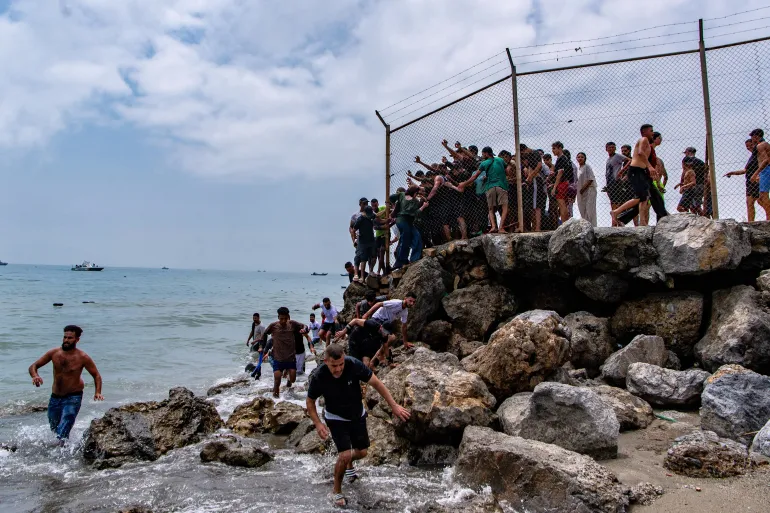
Spain continues to face significant migration pressures along its southern borders as authorities work to manage irregular crossings while balancing humanitarian responsibilities and border security. The country’s strategic location at the gateway between Africa and Europe has made it one of the primary entry points for migrants and asylum seekers attempting to reach the European Union.
The Spanish enclaves of Ceuta and Melilla, located on the northern coast of Africa, remain at the center of the migration debate. These territories share land borders with Morocco and have long been focal points for people seeking better economic opportunities, safety, or international protection. In addition to land crossings, many migrants also attempt dangerous sea journeys across the Mediterranean Sea or the Atlantic Ocean to reach Spain’s mainland or the Canary Islands.
Spanish authorities have increased surveillance and security measures in response to repeated attempts at irregular border crossings. The government has deployed additional border police, strengthened monitoring systems, and expanded cooperation with neighboring countries to combat human trafficking and migrant smuggling networks. Officials say these efforts are intended to save lives, disrupt criminal organizations, and ensure that migration is managed in an orderly and lawful manner.
At the same time, humanitarian organizations have urged authorities to prioritize the safety and dignity of migrants. Aid groups provide emergency medical care, food, temporary shelter, and legal assistance to people arriving after difficult journeys. Many migrants face dangerous conditions during their travels, including overcrowded boats, harsh weather, and exploitation by criminal smuggling networks. Human rights organizations have repeatedly emphasized the need for policies that protect vulnerable individuals while respecting international law.
Migration remains a politically sensitive issue in Spain and across the European Union. Governments continue to debate how to strengthen external borders, improve asylum procedures, and share responsibility among member states. Supporters of stricter border controls argue that stronger enforcement is necessary to maintain public security and discourage irregular migration. Others believe that long-term solutions require expanded legal migration pathways, greater international cooperation, and increased investment in addressing the root causes of migration, such as conflict, poverty, political instability, and climate-related challenges.
Spain has also worked closely with Morocco and other neighboring countries to improve border management and coordinate rescue operations. Bilateral cooperation has played an important role in reducing dangerous crossings, exchanging intelligence on smuggling networks, and responding to emergencies at sea. Despite these efforts, migration pressures continue to fluctuate as global events and regional conditions change.
Experts note that migration is a complex issue with no single solution. While stronger border security may reduce irregular crossings, many analysts argue that sustainable progress depends on addressing the economic and humanitarian factors that drive people to leave their home countries. International organizations have encouraged governments to pursue balanced policies that combine effective border management with respect for human rights and refugee protection.
As Spain continues to respond to migration challenges, authorities remain focused on maintaining border security while fulfilling their humanitarian obligations. The situation is expected to remain an important issue for both Spain and the European Union, with policymakers seeking solutions that enhance security, support international cooperation, and provide safe and orderly migration pathways for those in need.











+ There are no comments
Add yours