







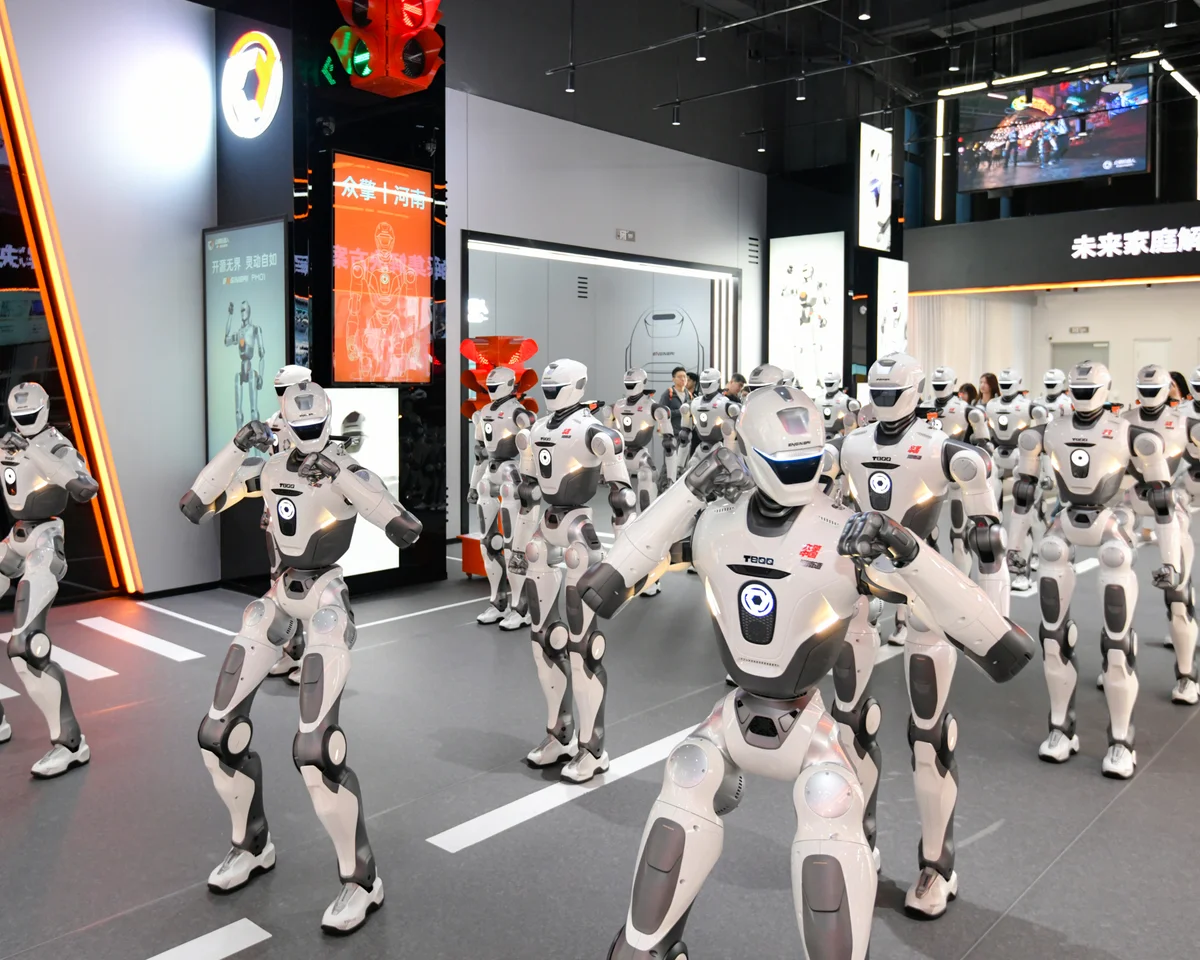
The United States Federal Communications Commission (FCC) has announced a ban on new humanoid robots and other advanced robotic devices from China, citing growing national security concerns. The move marks the latest step in the U.S. government’s broader effort to reduce dependence on Chinese technology and strengthen domestic supply chains for critical infrastructure.
According to FCC officials, the restrictions are aimed at addressing potential security risks associated with connected robotic devices. Authorities argue that advanced humanoid robots could be used to collect sensitive personal or government data, conduct surveillance, or even be remotely controlled by foreign actors in ways that could threaten national security.
The new measures extend beyond humanoid robots to include connected power inverters, which are widely used in renewable energy systems such as solar installations. U.S. officials have expressed concerns that internet-connected energy equipment could become vulnerable to cyberattacks or unauthorized remote access if produced by companies considered security risks.
The decision is part of the Trump administration’s broader strategy to secure America’s technology ecosystem and reduce reliance on Chinese-made products in sectors considered vital to national security. The administration has increasingly emphasized protecting critical infrastructure, communications networks, and emerging technologies from potential foreign interference.
Supporters of the ban argue that proactive measures are necessary as artificial intelligence and robotics become more integrated into everyday life, industry, and public infrastructure. They believe limiting the use of potentially vulnerable technologies can help safeguard sensitive information and reduce cybersecurity risks.
Critics, however, warn that broader restrictions on Chinese technology could disrupt global supply chains, increase costs for businesses and consumers, and potentially slow innovation in rapidly evolving sectors such as robotics and clean energy. Some industry experts have also called for clearer technical standards to distinguish genuine security threats from broader trade concerns.
The FCC’s announcement reflects the growing role of national security in shaping U.S. technology policy. As geopolitical competition between the United States and China continues to intensify, further restrictions on foreign-made connected devices and emerging technologies are expected to remain a key feature of Washington’s approach to protecting critical infrastructure and technological leadership.







+ There are no comments
Add yours