







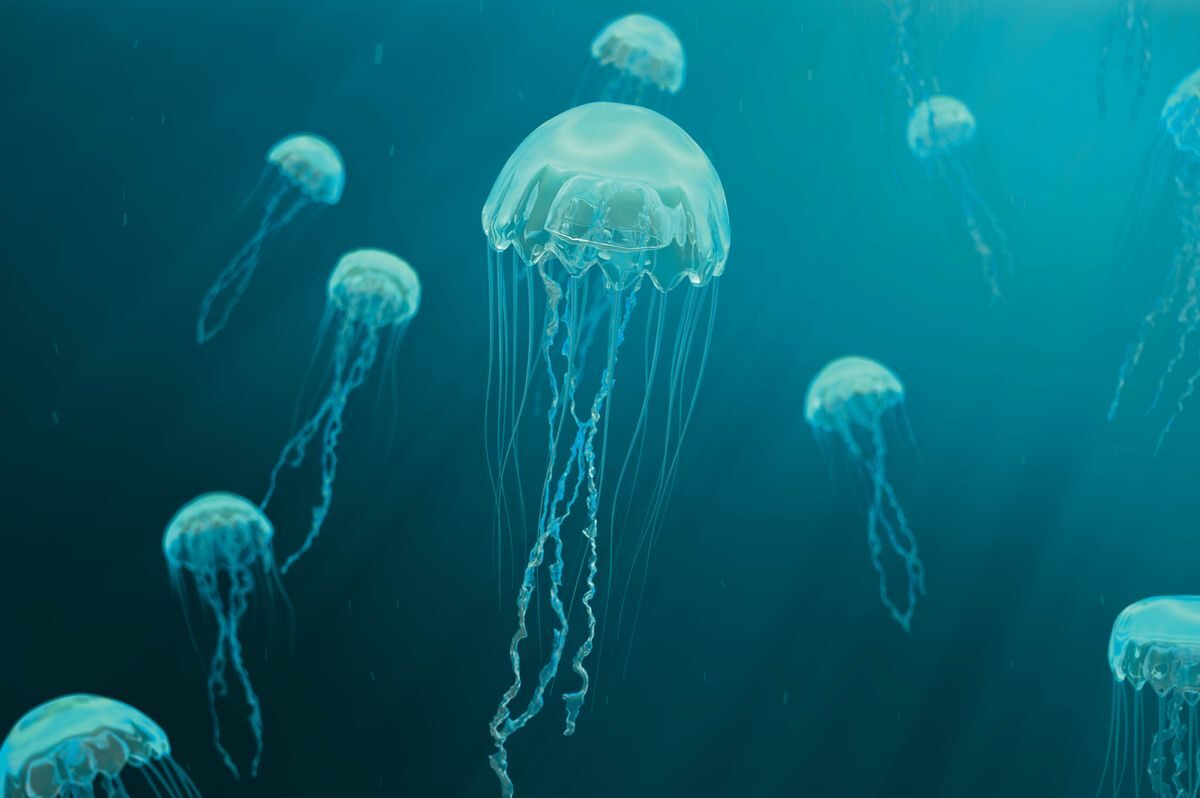
A small transparent jellyfish is attracting scientific interest after researchers discovered its extraordinary ability to repair wounds quickly without leaving scars, offering new insights into how tissue regeneration works.
The marine creature, Clytia hemisphaerica, has shown an unusual ability to heal injuries within minutes. Studies have found that smaller wounds can close rapidly, while larger injuries may heal within an hour without visible scarring. Scientists believe this natural repair system could help improve understanding of wound healing in humans.
Researchers say the jellyfish uses a highly organized healing process. Cells around the injured area extend outward and move across the wound, covering the damaged tissue. After the gap is filled, another cellular mechanism tightens the area and restores the structure, allowing the body to recover without forming scar tissue.
Human beings heal differently because our bodies respond to injuries by focusing on stopping bleeding and preventing infections. This response activates inflammation and produces collagen fibers that strengthen damaged areas but often create scars. Scientists believe the jellyfish avoids excessive inflammation, allowing it to repair tissue more cleanly.
Experts say the discovery does not mean a scar-free healing treatment for humans is immediately available. However, studying this species could reveal important details about the natural processes that control tissue repair. Researchers hope that understanding these mechanisms may eventually help develop new approaches for reducing scars and improving recovery after injuries.
The transparent body of Clytia hemisphaerica makes it especially useful for scientific research because scientists can observe individual cells as they respond to damage. Its evolutionary history also provides valuable information, as similar healing mechanisms found in different species suggest that these abilities developed very early in the history of animals.
The jellyfish has been studied by scientists for decades. In 1991, NASA sent thousands of young jellyfish into space aboard the Space Shuttle Columbia to examine how microgravity affected their development and balance systems.
While a direct medical application remains a long-term goal, researchers believe this tiny ocean creature could provide important clues for future advances in regenerative medicine. By studying how the jellyfish repairs itself, scientists may better understand how to encourage healthier healing processes in humans.









+ There are no comments
Add yours