






Student protests have long played an important role in shaping democratic societies. Across the world, young people have often raised their voices to demand justice, accountability, and reforms. In India, recent protests organized by CJP have once again highlighted the growing frustration among students over issues affecting their education, future, and opportunities. However, alongside the demonstrations, allegations of excessive police force against student protesters have sparked widespread concern and renewed debate about the protection of democratic rights.
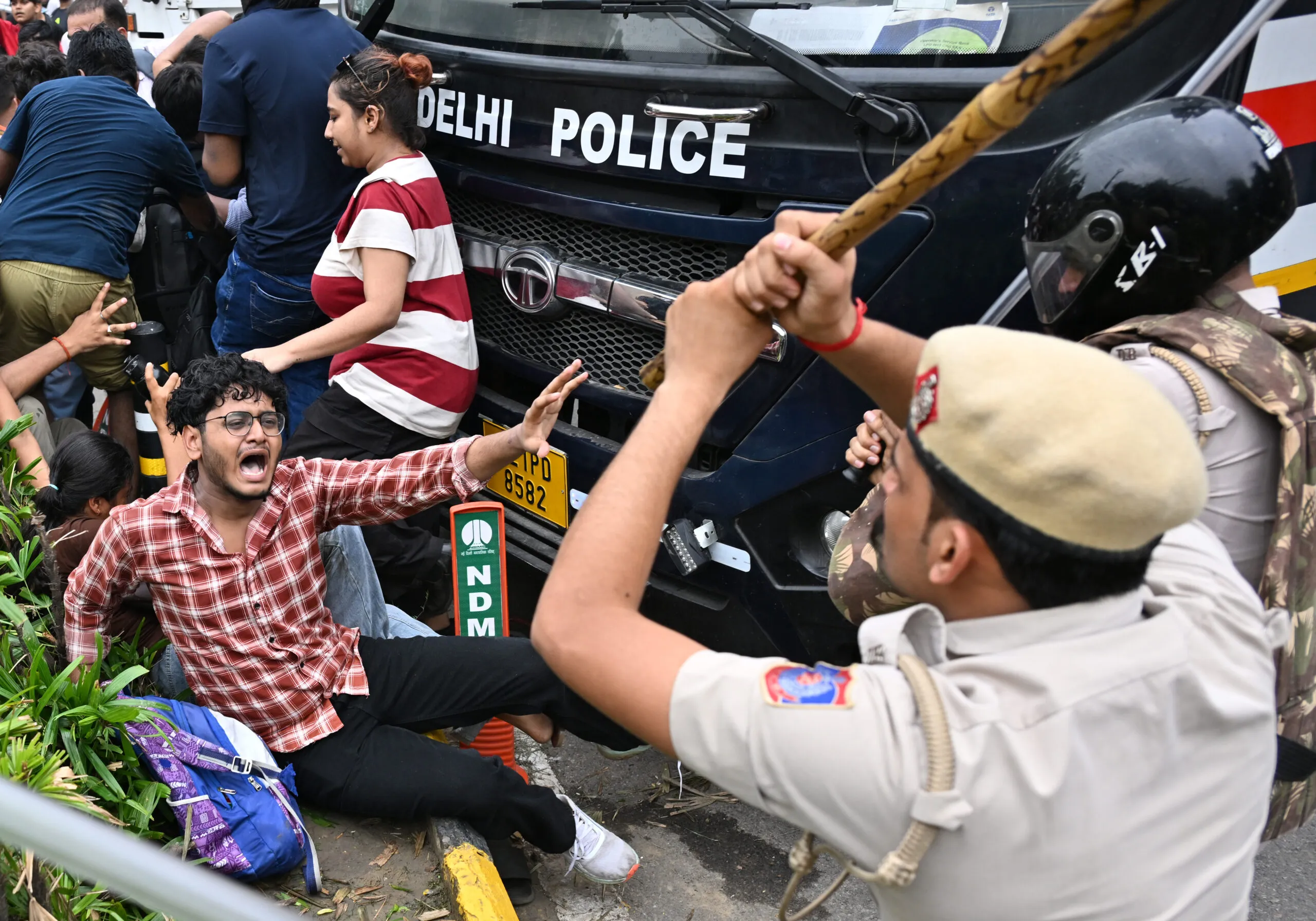
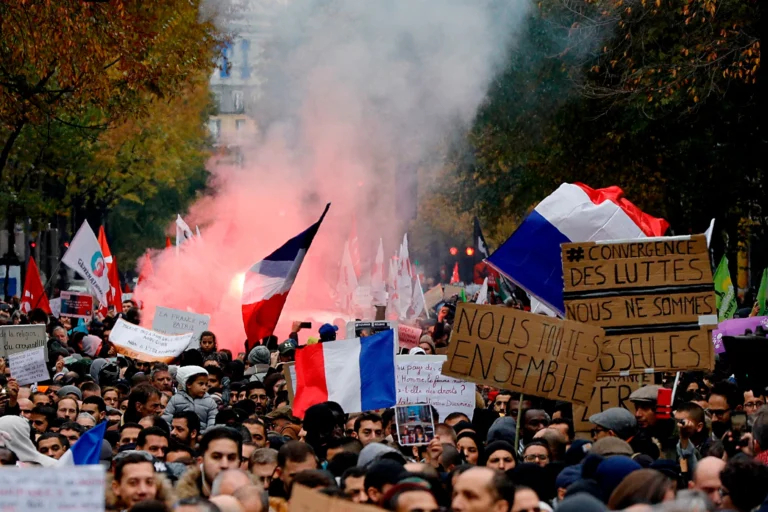
According to reports from the protest site, students gathered to express their demands through demonstrations and public rallies. As tensions increased, clashes broke out between protesters and law enforcement authorities. Videos and eyewitness accounts circulating on social media showed scenes of police using batons and other crowd-control measures against protesters. Several students were reportedly injured, while many were detained during the operation. These incidents have drawn criticism from opposition leaders, civil society organizations, and human rights advocates, who argue that the response was disproportionate.
The government, however, has defended the police action, stating that security personnel acted to maintain law and order after the protest allegedly became disruptive and posed risks to public safety. Officials have maintained that the police followed established procedures and intervened only after attempts to control the situation peacefully proved unsuccessful. Authorities have also emphasized that protecting public property and ensuring the safety of citizens remain their primary responsibilities during large public gatherings.
The contrasting narratives have intensified public discussion about the balance between maintaining public order and safeguarding the constitutional right to peaceful protest. In a democratic nation, citizens—including students—have the right to express their opinions and raise concerns through lawful and peaceful demonstrations. At the same time, protesters are expected to remain non-violent and comply with legal requirements. When confrontations occur, authorities are generally expected to use force only when necessary and in a manner that is proportionate to the circumstances.
The controversy surrounding the CJP protest reflects broader concerns among India’s youth regarding education, employment, and governance. Many students believe their voices deserve greater attention from policymakers, while critics argue that confrontational responses can deepen public distrust rather than resolve underlying issues. Supporters of the government’s approach, on the other hand, contend that maintaining public order is essential whenever demonstrations risk turning chaotic.
Ultimately, lasting solutions are more likely to emerge through open dialogue than confrontation. Constructive engagement between students, educational institutions, and government authorities can help address grievances while preserving democratic values. Whether one agrees with the protesters or supports the government’s position, the incident serves as a reminder that democracy is strongest when disagreement is met with conversation, transparency, and respect for the rule of law.





+ There are no comments
Add yours