






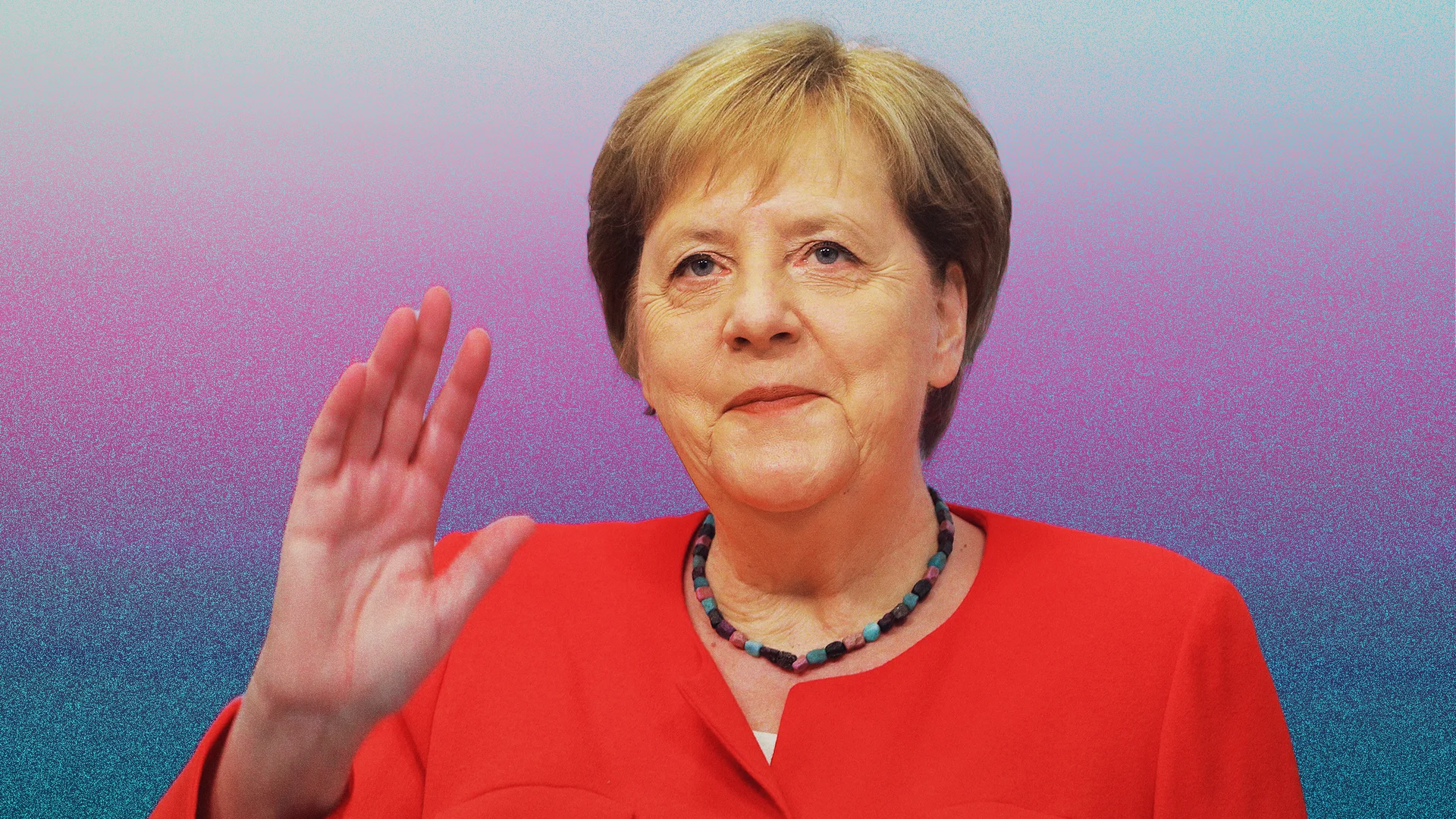
Angela Merkel is widely regarded as one of the most influential political leaders of the 21st century, known for her calm, pragmatic, and stable leadership style that helped guide Europe through some of its most challenging moments. As the former Chancellor of Germany, she served for 16 years and became a central figure in European and global politics.
Born in 1954 in Hamburg and raised in East Germany, Merkel grew up under a communist regime, an experience that shaped her disciplined and analytical approach to leadership. She studied physics and earned a doctorate in quantum chemistry before entering politics after the fall of the Berlin Wall. Her scientific background is often credited with influencing her methodical and evidence-based decision-making style.
Merkel became Germany’s first female chancellor in 2005 and went on to lead the country until 2021. During her time in office, she became known for her steady leadership during global crises, including the 2008 financial crisis, the European debt crisis, and the refugee crisis of 2015. In each situation, she emphasized stability, cooperation, and long-term solutions rather than short-term political gains.
One of her most defining moments came during the 2015 refugee crisis, when she made the controversial but historic decision to allow hundreds of thousands of refugees, primarily from Syria, into Germany. Her statement “Wir schaffen das” (“We can do this”) became symbolic of her humanitarian approach, though it also sparked significant political debate across Europe. Despite criticism, Merkel stood by her decision, reflecting her willingness to take responsibility in times of crisis.
Merkel’s leadership style was often described as quiet yet highly effective. Unlike many political figures, she avoided dramatic speeches and preferred careful analysis before making decisions. This approach earned her respect across political divides and helped maintain Germany’s position as a leading force within the European Union.
Internationally, she played a key role in strengthening European unity and maintaining diplomatic balance during periods of global tension. Her ability to negotiate, compromise, and maintain stability made her one of the most respected leaders on the world stage.
Even after stepping down from politics, Angela Merkel’s legacy continues to influence discussions on leadership, governance, and crisis management. She is often remembered not for loud rhetoric, but for her calm determination, intellectual discipline, and commitment to keeping Europe stable during uncertain times.
Her career stands as a powerful example of how thoughtful, consistent, and responsible leadership can shape not only a nation but an entire continent.





+ There are no comments
Add yours