



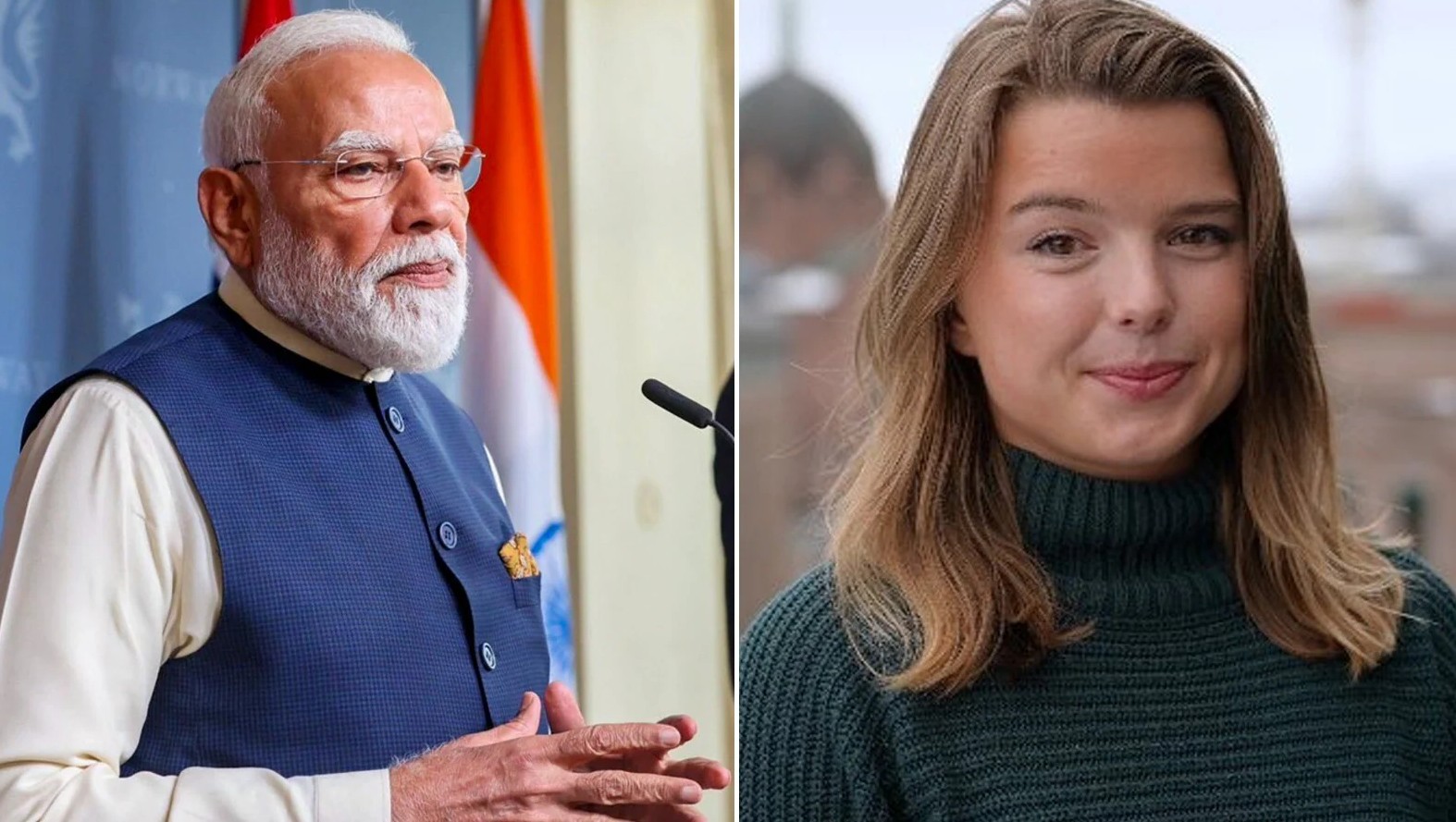
A recent press conference involving Indian Prime Minister Narendra Modi and representatives connected to Norway has triggered a major political and media debate across social media platforms and international news discussions. The controversy emerged after journalists at the event attempted to ask questions related to democracy, media freedom, and international diplomatic relations.
During the conference, several reporters reportedly tried to raise concerns regarding press independence and the role of free media in democratic countries. However, according to viral clips shared online, some questions appeared to be left unanswered, leading to criticism from journalists, opposition leaders, and activists. Many social media users argued that public leaders attending international events should allow open and transparent communication with the press.
Soon after the event, hashtags related to press freedom and media transparency began trending on multiple social media platforms. Critics claimed that avoiding difficult questions could damage the image of democratic openness, especially during global diplomatic meetings. Some international commentators also highlighted that freedom of the press is considered one of the most important pillars of democracy.
Supporters of the Indian government, however, defended the situation and stated that international press conferences usually operate under strict diplomatic schedules and protocols. According to them, not every journalist gets an opportunity to ask questions because of limited time and security arrangements. Government supporters also accused critics of spreading incomplete video clips online in order to create unnecessary controversy and political tension.
Political analysts believe that the incident reflects the growing influence of social media in shaping public opinion. In today’s digital age, even short moments from official events can quickly become global debates within minutes. Experts say that edited or selective clips often lead to confusion and misunderstanding among viewers who may not know the full context of the event.
The controversy has once again brought attention to the relationship between governments and the media in democratic societies. Many journalists and human rights organizations continue to stress the importance of open dialogue and accountability during public appearances by world leaders. At the same time, others argue that diplomatic events must balance transparency with protocol and security concerns.
Although no major official statement has been released regarding the controversy, discussions surrounding the Modi–Norway press conference continue to dominate political conversations online. The incident has become another example of how international diplomacy, media coverage, and social media reactions can combine to create worldwide public debate.



+ There are no comments
Add yours