







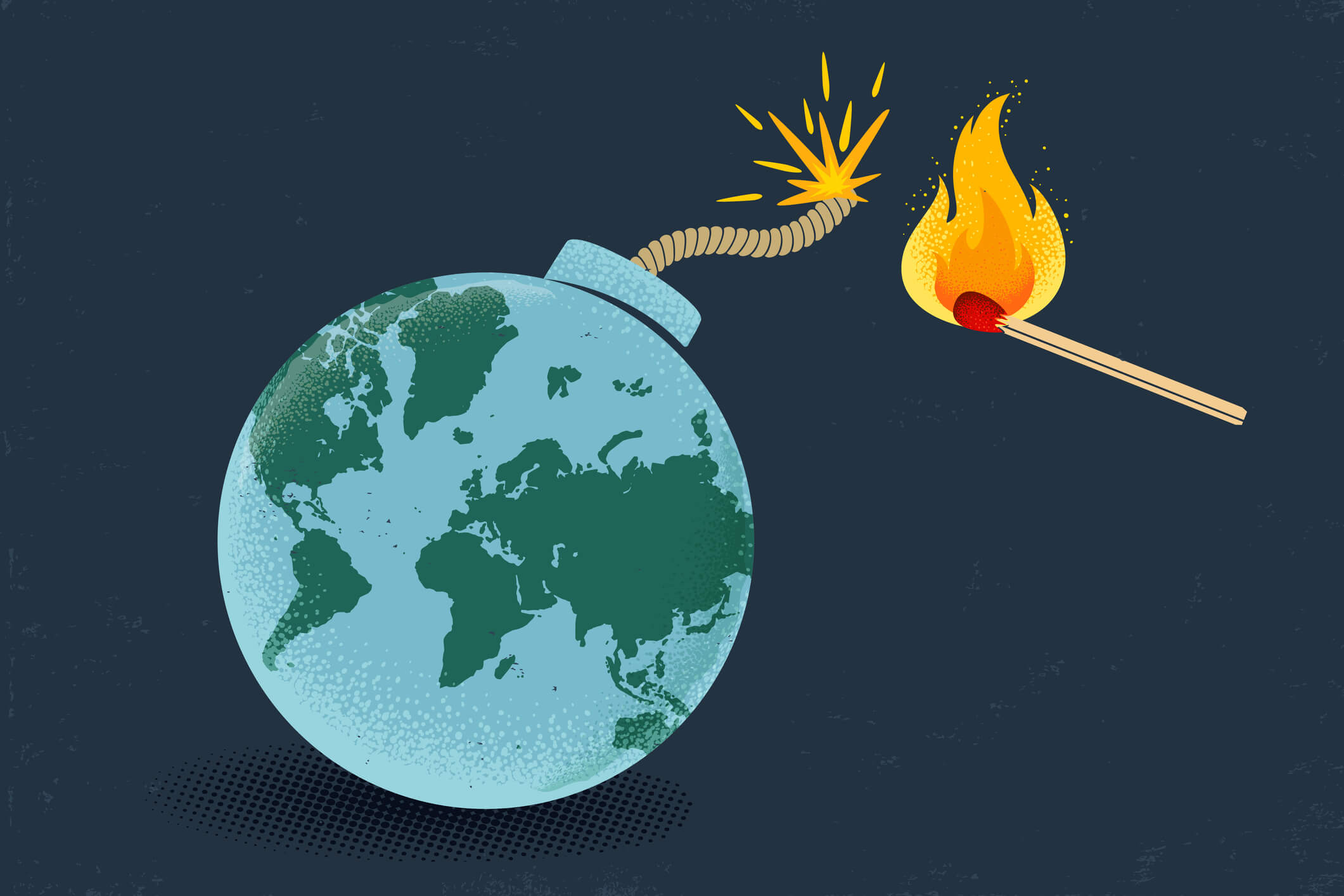
Global leaders are calling for urgent action as regional conflicts, particularly in the Middle East, continue to escalate and threaten international stability. Diplomatic efforts are underway to prevent further civilian casualties and to contain the broader geopolitical impact of these hostilities.
United Nations officials have expressed deep concern over the intensifying conflict between Israel, Hezbollah, and Iranian-backed forces. The ongoing military actions have resulted in significant casualties, widespread displacement, and damage to civilian infrastructure, particularly in Lebanon. UN representatives have urged all parties to immediately implement ceasefire measures and engage in dialogue to avoid further escalation.
In Washington, European capitals, and major Asian capitals, policymakers have been closely monitoring developments. Discussions have focused on coordinated diplomatic pressure, humanitarian aid, and the potential for multilateral negotiations to address the crisis. Leaders emphasized that sustained conflict in the region could disrupt global trade, energy supplies, and international security.
The escalation has also prompted governments to issue travel advisories for affected regions. Airlines are adjusting schedules, and countries such as New Zealand, Australia, Japan, and South Korea have joined others in warning citizens to exercise caution when traveling to areas near the conflict zones.
Humanitarian organizations have highlighted the urgent need for relief operations. Thousands of civilians are reported displaced, with hospitals struggling to manage casualties and shortages of essential supplies. Aid agencies are coordinating with international partners to deliver food, water, and medical assistance to those impacted.
Experts warn that continued military operations could further destabilize neighboring regions and have long-term effects on global geopolitics. World leaders stressed that diplomatic engagement remains the only viable solution to prevent a full-scale regional war.
As the situation develops, governments and international organizations are urging citizens to stay informed through official channels and to prioritize safety. The international community faces mounting pressure to mediate a peaceful resolution and prevent the conflicts from escalating further.






+ There are no comments
Add yours