







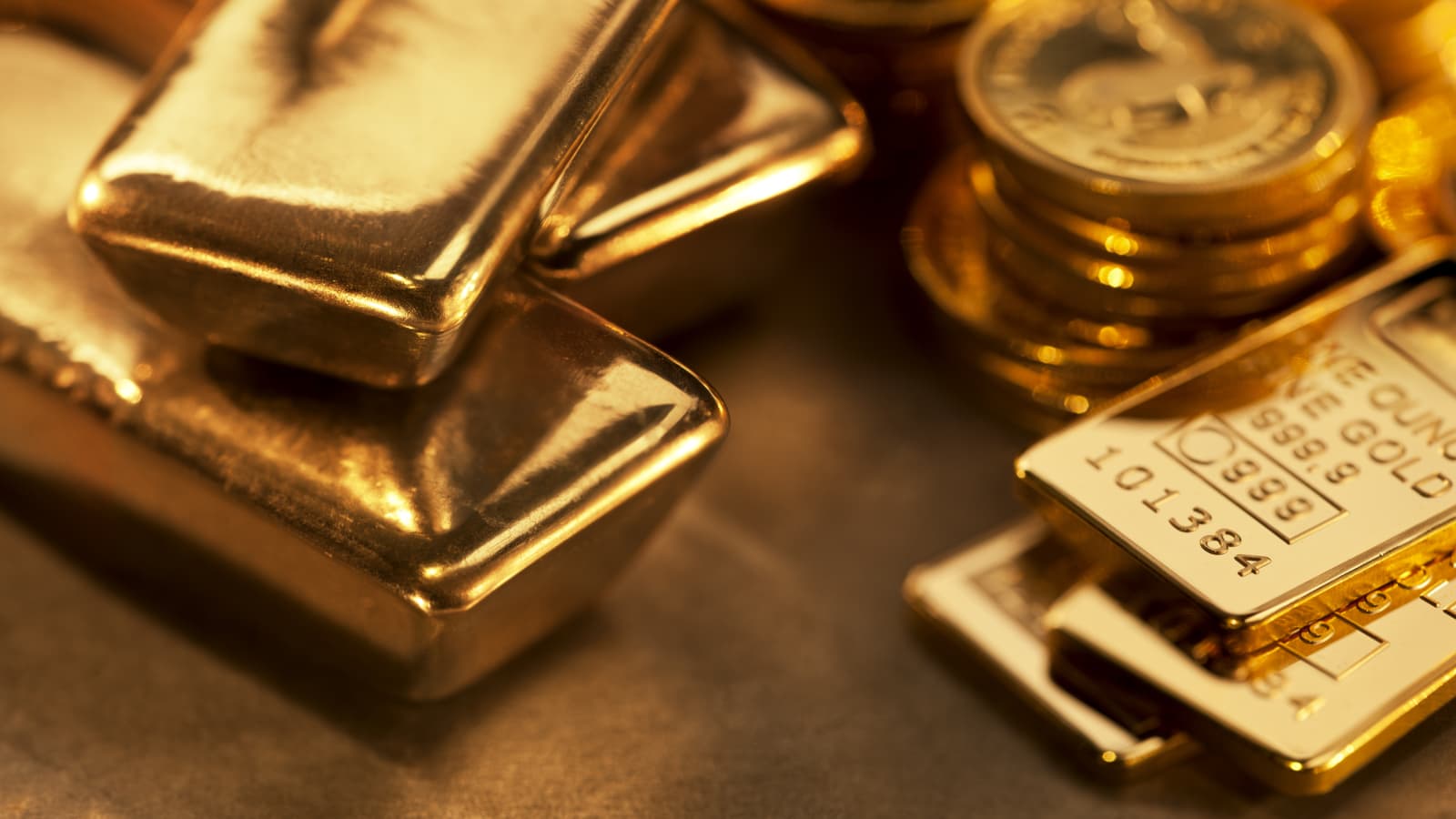
Global gold prices have remained unexpectedly subdued in recent weeks, even as geopolitical tensions escalate across West Asia, a region historically linked with sharp increases in safe-haven demand. Analysts say a mix of strong currency movements, high interest rates, and shifting investor sentiment is preventing the precious metal from rallying as it typically would during periods of uncertainty.
Traditionally, gold is seen as a reliable store of value in times of crisis, with investors flocking to it when geopolitical risks rise. However, despite ongoing instability in key parts of West Asia, gold has struggled to maintain upward momentum, hovering below its recent highs after experiencing a notable pullback earlier this month.
Market experts point to the strength of the U.S. dollar as a primary factor weighing on gold prices. As the dollar appreciates, gold becomes more expensive for buyers using other currencies, dampening global demand. At the same time, central banks, particularly the Federal Reserve, have maintained relatively high interest rates, making yield-bearing assets such as bonds more attractive compared to non-interest-bearing gold.
Investor behavior is also playing a significant role. After gold reached record levels earlier in 2026, many traders have opted to lock in profits, contributing to the recent decline. This wave of profit-taking has offset the safe-haven appeal that would typically be boosted by geopolitical tensions.
In addition, some analysts note that financial markets are reacting differently to current geopolitical developments than in the past. Instead of moving heavily into gold, investors are diversifying into other assets, including energy commodities and equities tied to oil production, which are directly impacted by regional instability.
Despite the recent softness, long-term sentiment toward gold remains cautiously optimistic. Ongoing geopolitical risks, persistent inflation concerns, and potential economic slowdowns could still support prices in the months ahead. For now, however, the interplay of macroeconomic forces appears to be keeping gold in check, highlighting a shift in how global markets respond to uncertainty.









+ There are no comments
Add yours