






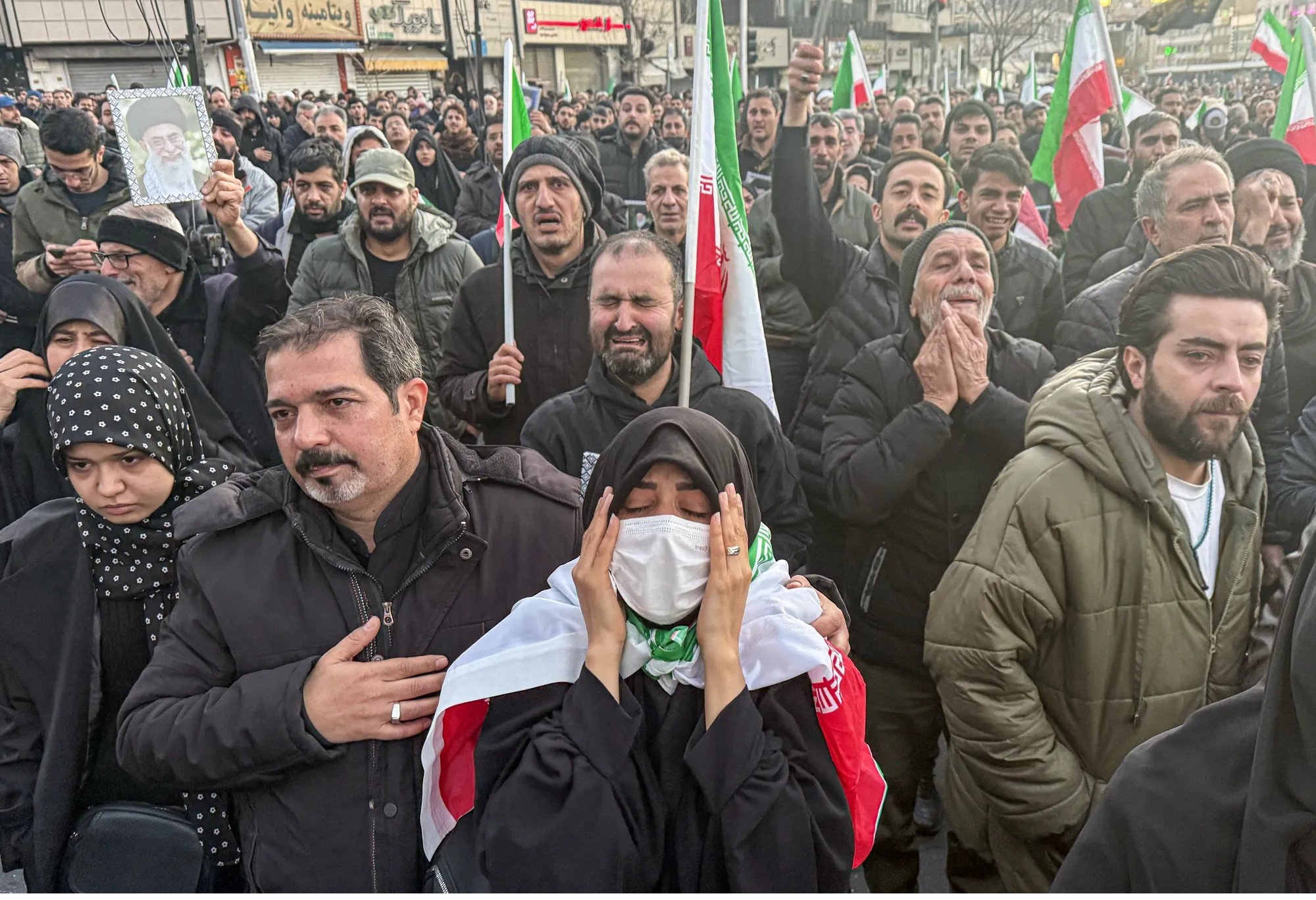
The Middle East is on high alert after Iran announced it would retaliate for the targeted killings of two of its senior security officials, an attack widely attributed to Israeli forces. The strikes claimed the lives of Ali Larijani, the head of Iran’s Supreme National Security Council, and Gholamreza Soleimani, a senior Basij militia commander. Their deaths represent a major blow to Iran’s leadership and have significantly heightened regional tensions.
Iran’s leadership condemned the attacks as deliberate acts of aggression and warned that the perpetrators would face a decisive response. Officials emphasized that the killings targeted the core of Iran’s security apparatus and that retaliation was inevitable. Iranian military sources have indicated that strikes against Israeli and allied positions in the region are being planned, raising concerns over the potential for broader conflict.
Following the assassinations, reports emerged of missile and drone attacks launched from Iranian territory toward strategic targets in Israel and neighboring Gulf countries, including Saudi Arabia, Kuwait, and the United Arab Emirates. These actions have caused casualties, disrupted local infrastructure, and led to heightened security alerts across multiple countries. Analysts warn that further escalation could draw in additional nations and intensify an already volatile situation.
The crisis has also impacted global energy markets. The Strait of Hormuz, a critical passage for international oil shipments, has seen disruptions due to heightened military activity. Traders and policymakers are closely monitoring the situation, fearing that continued instability could lead to supply shortages and increased fuel prices worldwide, with ripple effects on the global economy.
Civilians in Iran, Lebanon, Iraq, and Israel are bearing the brunt of the conflict. Reports of casualties, injuries, and displacement are rising as military actions continue. International organizations have called for restraint and adherence to humanitarian law, stressing the need to protect non-combatants in the escalating conflict zones.
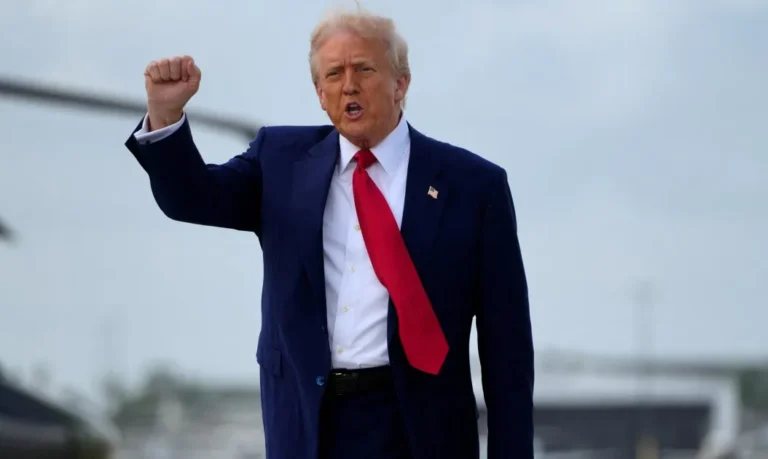
Global reactions have been mixed, with some nations urging diplomacy and caution, while others reaffirm support for regional allies. The United States has reinforced its military presence in the Middle East to protect its forces and interests, though debates continue over its level of involvement.
As tensions remain high, analysts warn that the next few days will be critical. Any miscalculation could escalate the situation into a wider regional confrontation, with significant implications for international security, energy supply, and geopolitical stability. The world watches closely as the Middle East stands on edge.







+ There are no comments
Add yours