








The rental housing market is undergoing a noticeable shift as apartment concessions climb to their highest levels in over a decade, signaling changing dynamics between landlords and tenants. Property owners across major cities are increasingly offering incentives such as free rent, reduced security deposits, and move-in bonuses to attract renters and maintain occupancy levels.
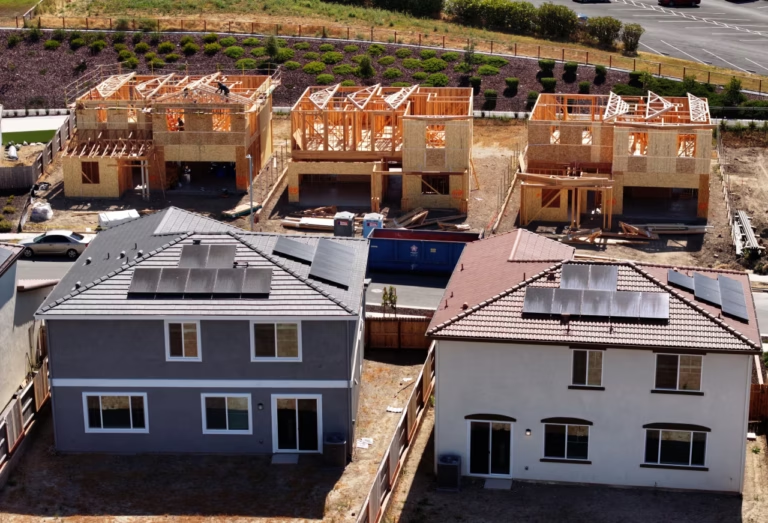
This growing trend is largely driven by an oversupply of new apartment units that have entered the market in recent years. Developers, responding to earlier strong demand, built aggressively, leading to a surge in available housing. However, renter demand has not kept pace with this rapid expansion, creating a gap that landlords are now trying to bridge through concessions instead of lowering listed rents.
Industry data suggests that a significant share of apartment properties are now offering some form of discount, with the average value of these concessions also rising. In many cases, landlords prefer offering one or two months of free rent rather than cutting base rental prices, as it helps maintain the perceived value of their properties while still appealing to cost-conscious tenants.
Economic factors have also played a role in softening rental demand. High inflation, rising living costs, and financial uncertainty have made renters more cautious about moving or upgrading their living situations. Some individuals are choosing to stay in their current homes longer, while others are opting for shared accommodations to reduce expenses. This has slowed leasing activity and increased competition among property owners.
For renters, the current market presents a rare opportunity to secure better deals and negotiate favorable lease terms. Incentives that were once uncommon are now becoming standard in many areas, giving tenants greater flexibility and financial relief. However, for landlords and real estate investors, the increase in concessions reflects pressure on rental income and profitability.
Experts believe that this trend may continue in the short term, particularly in regions with a high concentration of newly built apartments. Over time, as construction slows and demand gradually catches up, the market is expected to stabilize. Until then, concessions are likely to remain a key strategy for landlords navigating a more competitive and uncertain rental landscape.









+ There are no comments
Add yours