






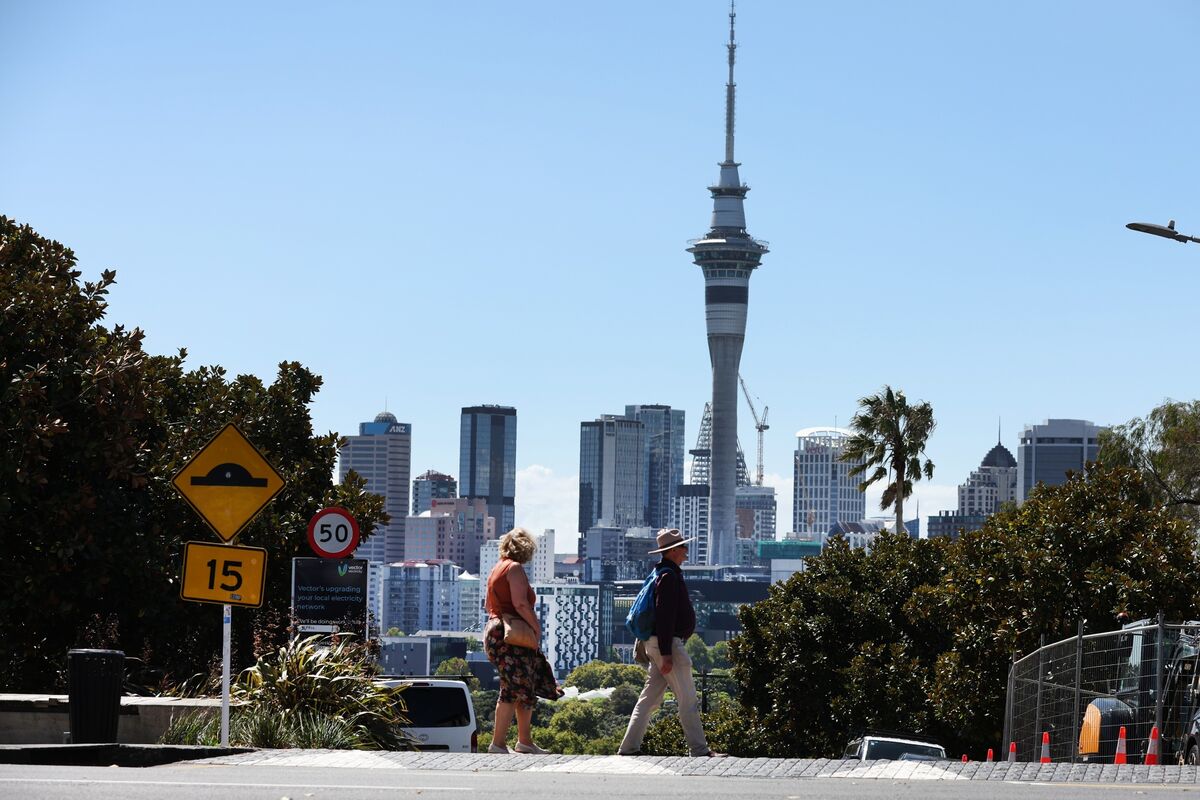
New Zealand’s economic recovery faces a serious test as a global oil shock threatens to undermine recent gains. Rising crude prices, fueled by instability in the Middle East and disruptions along key oil routes like the Strait of Hormuz, are driving energy costs higher and creating uncertainty for the country’s import-dependent economy.
Being geographically isolated, New Zealand relies heavily on imported fuel to support its transport, industry, and agriculture sectors. The spike in global oil prices is translating directly into higher domestic petrol and diesel costs, putting pressure on households and businesses alike. Economists warn that sustained price increases could slow consumer spending and push inflation higher, complicating the government’s efforts to maintain steady economic growth.
The agricultural and export sectors are particularly vulnerable. Farming, dairy, and meat exports require significant fuel for machinery, transportation, and shipping. Rising energy costs increase production expenses, potentially reducing New Zealand’s competitiveness in international markets. Similarly, transport and logistics companies are seeing operating costs surge, which may ripple through the broader economy.
Households are already feeling the impact. Families face higher petrol bills and potentially rising food prices as transportation costs increase. This may lead to reduced discretionary spending, affecting retail, hospitality, and service sectors. Analysts caution that the combination of high energy costs and global market volatility could stall recovery and strain household budgets, especially among low- and middle-income groups.
Government officials are monitoring the situation closely. Calls for strengthened fuel reserves, alternative energy strategies, and more resilient supply chains are growing louder. While short-term measures may mitigate immediate shocks, the long-term stability of New Zealand’s economy will depend on global oil market trends and the duration of geopolitical tensions abroad.
Despite these challenges, some economists note that New Zealand’s strong fiscal position, diversified economy, and proactive policy measures provide a buffer. Yet the nation remains exposed to external shocks, and the current oil crisis highlights the vulnerability of an economy heavily reliant on imports. Policymakers face the difficult task of balancing economic growth, inflation control, and energy security in a rapidly changing global landscape.
As the situation unfolds, all eyes will be on how New Zealand navigates this fragile recovery amid rising energy costs and international instability. The coming months could define the resilience of the country’s economy in the face of unprecedented global pressure.







+ There are no comments
Add yours