







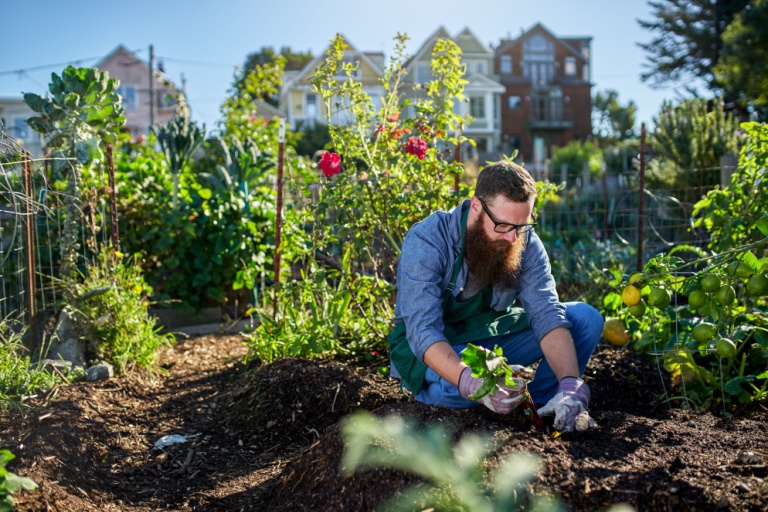
As we move further into 2026, sustainability is no longer just a buzzword—it’s a lifestyle. From fashion to food and home decor, eco-friendly practices are becoming a defining feature of modern living, reflecting a shift in consumer behavior towards more conscious choices. With climate change at the forefront of global discussions, individuals and businesses alike are embracing sustainability as a way to contribute to a healthier planet.
In the fashion world, second-hand shopping and upcycled clothing are now mainstream. Once considered niche, thrift stores and vintage shops have seen a boom in popularity, with brands even launching dedicated collections made from recycled fabrics. The “slow fashion” movement has gained momentum, encouraging consumers to invest in quality items that last longer, as opposed to fast fashion’s trend-driven, disposable culture. Eco-conscious materials like hemp, organic cotton, and bamboo are now making their way into the mainstream, with eco-friendly designers leading the charge in reimagining the fashion industry.
In food, plant-based diets continue to trend. Beyond veganism, people are adopting flexitarian lifestyles, incorporating more plant-based meals while reducing meat consumption. The demand for alternative protein sources like lab-grown meat and insect-based products is also on the rise. Plant-based food companies are getting creative with their offerings, from plant-based cheeses to meat substitutes that mimic the taste and texture of traditional animal products. Consumers are increasingly seeking out locally sourced and organic options, prioritizing transparency in food production practices and the environmental impact of their choices.
At home, minimalism and eco-friendly decor are in high demand. Sustainability-focused furniture brands are offering pieces made from recycled materials or sustainably sourced wood. Homeowners are investing in energy-efficient appliances and opting for solar energy solutions to reduce their carbon footprint. In interior design, biophilic trends are flourishing, with an emphasis on bringing nature indoors. From lush indoor plants to natural wood accents, people are creating spaces that feel connected to the environment while also promoting wellness.
Wellness has also taken a more eco-conscious turn. Consumers are increasingly prioritizing products that are both good for their health and the planet. Organic skincare, biodegradable beauty products, and eco-friendly yoga mats are just a few of the items gaining traction in the wellness space. People are seeking holistic, mindful practices, and sustainability now plays a key role in these choices.
As the world continues to embrace sustainability, these trends are more than just passing fads—they represent a long-term shift towards a more responsible way of living. Whether through fashion, food, or home decor, the future is green, and it’s shaping the way we live, work, and consume.










+ There are no comments
Add yours