






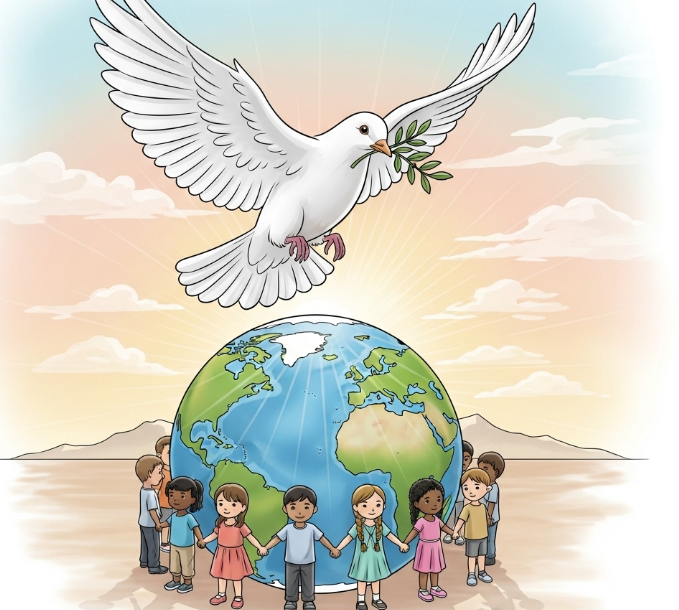
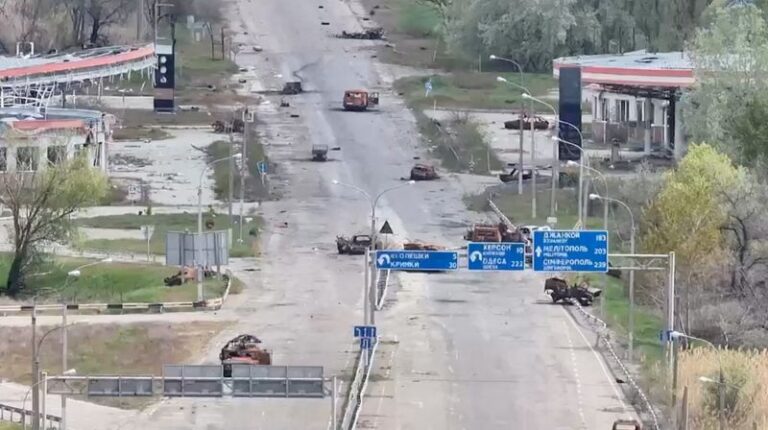
As global conflicts continue to ravage countries and societies are torn apart by violence and hatred, the idea of peace seems increasingly distant. Every day, headlines are filled with stories of war, suffering, and division, leaving many wondering if a peaceful world is even achievable. But in the midst of all this, there is still a glimmer of hope—hope that peace can rise from the ashes of destruction, and that unity can help heal the wounds inflicted by years of conflict.
Wars have a devastating impact, not just physically, but emotionally. They leave behind generations of people scarred by loss, grief, and trauma. Every day, innocent children—who should be playing and learning—are dying in the crossfire of these senseless wars. These young lives, full of potential and promise, are being lost in situations they cannot control, victims of violence they did not choose. Yet, even in the face of such overwhelming pain, history has shown us that peace is not impossible. There have been countless instances where people, in the most trying circumstances, have chosen to embrace peace, to build bridges instead of walls, and to extend compassion instead of hatred.
The question we now face is whether the world can continue down a path of division, or whether it’s time to choose a different way—one rooted in understanding, kindness, and cooperation.
Around the world, individuals are standing up and making a conscious effort to spread peace. These are the people who, despite the chaos, choose to help their neighbors, extend their hands to those in need, and forgive when it seems hardest. It’s these small acts of kindness that create the foundation for something much greater—a world where peace is not just an ideal, but a living, breathing reality.
Leaders like Mahatma Gandhi and Nelson Mandela have long shown the world that true strength does not lie in violence, but in the power of nonviolence and reconciliation. Their lives and legacies have inspired millions to believe that peace can be achieved, even in the darkest times. But their messages were clear: peace is not something that happens only in grand gestures; it is something we must actively choose every day, in how we treat one another, and in the way we approach the world.
As conflicts rage on and the world faces more division than ever before, the responsibility lies with each of us. The path to peace begins with individual choices—choosing kindness over hatred, understanding over judgment, and forgiveness over revenge. These simple decisions, when multiplied, can create a global movement toward unity.
In a world overwhelmed by conflict, it is more important than ever to remember that peace is possible. If we can choose love over hate, compassion over cruelty, we can begin to build a future where peace is no longer a distant dream, but a reality for everyone.




+ There are no comments
Add yours