







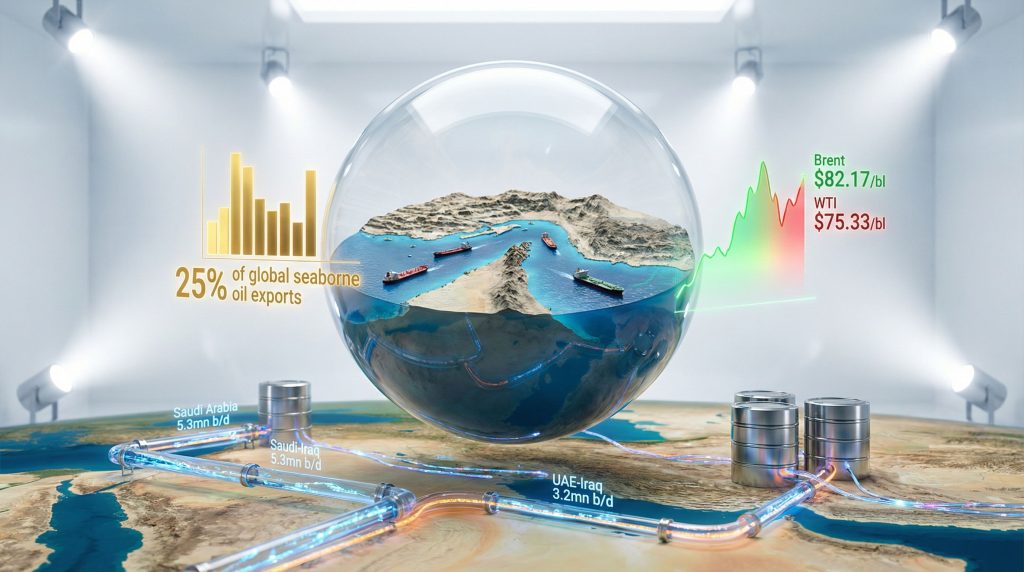
Oil prices have surged in recent days after an attack on key infrastructure in Iran, raising concerns about both regional stability and global economic repercussions. The assault, which targeted oil facilities crucial to Iran’s production capacity, has sparked fears of further supply disruptions in an already volatile market.
On the back of the attack, global benchmark crude oil prices jumped by over 4%, reaching levels not seen in months. The ripple effect was felt worldwide as energy markets reacted to the possibility of reduced supply from the Middle East, a region that plays a significant role in global oil production. The surge in oil prices comes at a delicate moment for the global economy, still recovering from the disruptions caused by the COVID-19 pandemic and dealing with inflationary pressures.
Experts warn that the latest escalation in the Middle East could lead to more widespread economic risks. If tensions continue to rise, supply chain disruptions and fuel shortages could follow, causing ripple effects throughout industries that depend heavily on oil. High oil prices tend to affect everything from transportation costs to the price of goods, creating inflationary pressures that weigh heavily on consumer spending. These issues are especially concerning in the context of rising interest rates aimed at combating inflation.
Geopolitical tensions in the region are not new, but this latest attack has exacerbated concerns over oil price volatility. The Middle East remains a critical zone for global energy production, and any instability there tends to have global ramifications. Energy analysts are closely monitoring the situation, noting that the ability of the international community to de-escalate tensions will be key in determining whether these price hikes will remain a short-term phenomenon or signal a more enduring trend.
For now, businesses and consumers alike are bracing for what could be a prolonged period of elevated oil prices. As governments and energy companies continue to assess the damage and respond to the crisis, it remains to be seen whether the global economy can withstand the pressure. With oil prices climbing and no clear resolution in sight, both markets and citizens are left to confront the risks posed by this volatile turn of events






+ There are no comments
Add yours