






Minneapolis has become the epicenter of a national and international outcry following the fatal shooting of a 37-year-old woman by an ICE officer during a routine enforcement operation. The incident, which occurred on January 7, has sparked widespread protests across the United States and drawn condemnation from human rights groups worldwide.
Witnesses say the woman, identified as a mother of three, was shot while attempting to drive away from the scene. Federal authorities have claimed the officer acted in self-defense, asserting that the vehicle posed an immediate threat. Local officials and community members dispute this version, citing video footage they say shows the woman’s car moving away from officers when shots were fired.
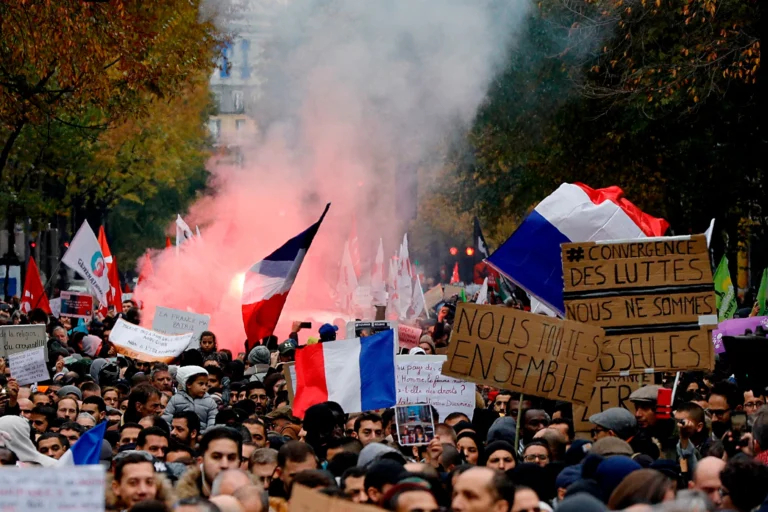
What began as local protests in Minneapolis quickly spread to major cities including New York, Washington D.C., Los Angeles, and Seattle. Demonstrators have demanded accountability, transparency, and reform of federal immigration enforcement policies, with chants of “No justice, no peace” and “Abolish ICE” echoing through city streets.
Minneapolis Mayor Jacob Frey and Minnesota Governor Tim Walz condemned the shooting and called for a review of federal enforcement tactics in the city, while the Department of Homeland Security continues to defend the officer’s actions. The divide between local leaders and federal authorities highlights growing tensions over immigration enforcement in urban areas.
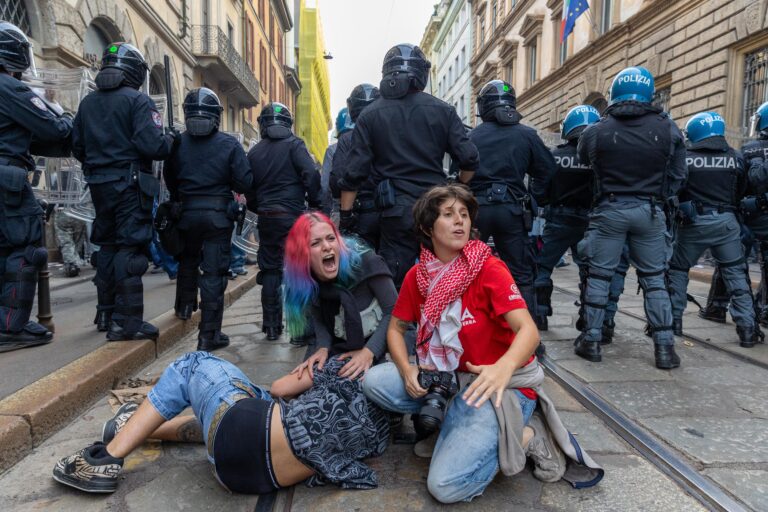
Though the majority of protests have remained peaceful, some Minneapolis demonstrations escalated into clashes with law enforcement, resulting in dozens of arrests. Meanwhile, vigils and marches in other cities continued without major incidents, reflecting the broad spectrum of public anger and concern.
As federal and local investigations proceed, activists have pledged to continue demonstrations, emphasizing systemic reform and stricter oversight of ICE operations. The incident has reignited debates over immigration policy, law enforcement accountability, and the rights of individuals facing federal enforcement actions, ensuring the story remains in the national and global spotlight.




+ There are no comments
Add yours