




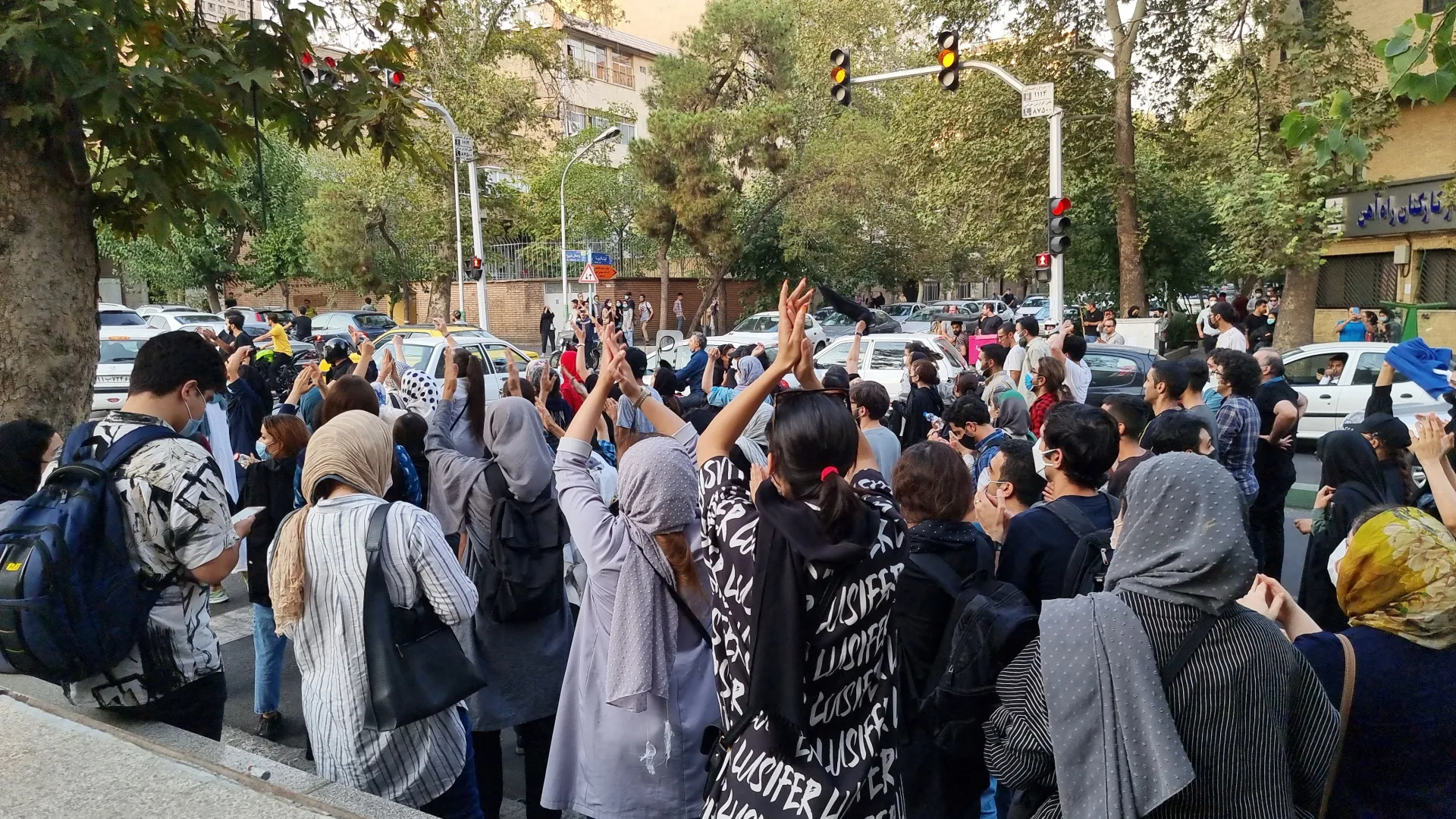
Unrest across Iran has intensified, with the death toll from anti-government protests now reported to exceed 500, making it one of the deadliest waves of demonstrations in the country in decades. The protests, which began in late December amid rising living costs, economic hardship, and dissatisfaction with the ruling clerical establishment, have spread to major cities including Tehran, Mashhad, and Isfahan.
Security forces have responded with force, leading to the deaths of hundreds of demonstrators and members of the security services, and more than 10,600 arrests have been reported. The Iranian government has also imposed a nationwide internet blackout, limiting the flow of information and making independent verification of events difficult. Despite these restrictions, protesters continue to demand political change, greater freedoms, and accountability from the Islamic Republic’s leadership.
The situation has drawn global attention, with the United States and Israel reportedly discussing potential responses. U.S. leaders are weighing a range of diplomatic, economic, and cyber options, signaling support for the protesters, while Iranian authorities have issued stern warnings that any foreign intervention would be met with retaliation against U.S. and Israeli targets. These developments have heightened concerns about potential regional escalation in an already volatile Middle East.
International human rights organizations, as well as the United Nations, have called on Iran to exercise restraint and immediately restore communications. Analysts warn that continued repression may not only deepen domestic unrest but also affect Iran’s diplomatic relations and economic standing. The protests reflect deep-seated frustrations over governance, social inequality, and political freedoms, which many observers say have been simmering for years.
As the crisis continues to unfold, the world is closely monitoring the situation. The scale of the protests, combined with the harsh government crackdown, has underscored both the vulnerability of the Iranian regime to internal dissent and the complex geopolitical implications of domestic unrest in a strategically significant region. With international diplomacy and domestic pressures converging, the coming weeks are likely to be critical in determining the trajectory of the protests and the future stability of Iran.


+ There are no comments
Add yours