






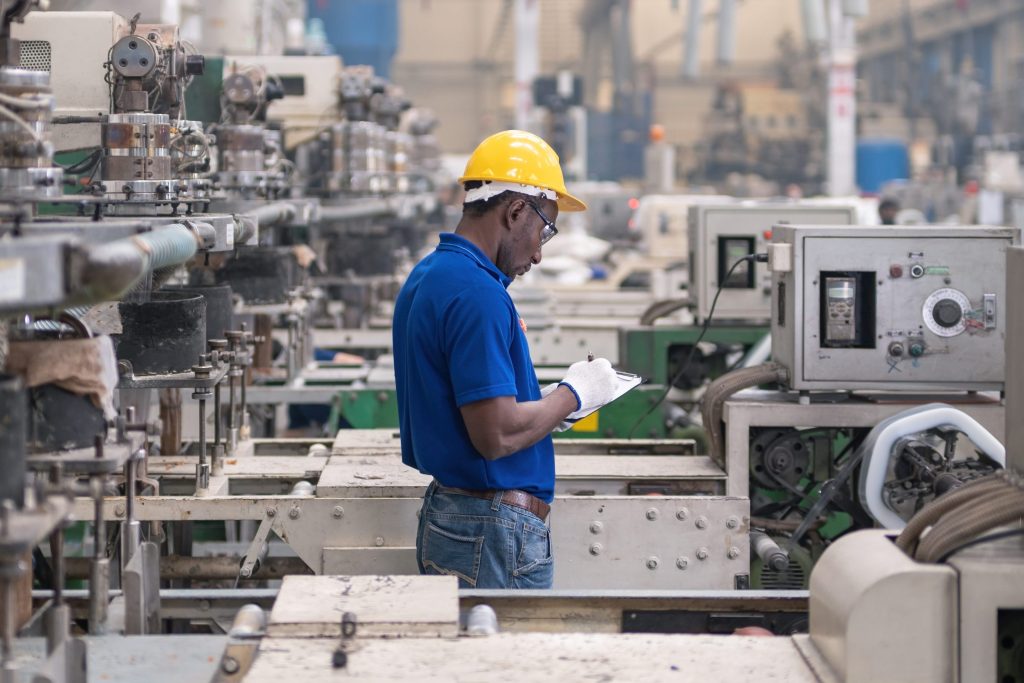
The U.S. is entering one of the largest industrial hiring waves in decades. As millions of baby boomers retire, America is preparing to fill a massive shortage of workers in its manufacturing sector — a gap projected to reach nearly 4 million jobs by 2033.
Factories are expanding, reshoring is accelerating, and the clean-energy and semiconductor booms are reshaping the job market. From EV battery gigafactories to chip plants, the U.S. is undergoing a once-in-a-generation revival of skilled trades.
But there’s one problem:
Gen Z doesn’t want these jobs.
And the trade America needs most is the one young workers are actively avoiding.
Boomer retirements are triggering a manufacturing labor crisis
More than one-fourth of the U.S. manufacturing workforce is made up of baby boomers, many of whom entered the industry in the 1970s and ’80s. As they retire over the next 5–10 years, factories are preparing for a massive talent vacuum.
Analysts warn that if these roles remain unfilled:
supply chains will struggle,
production delays will increase,
reshoring goals could slow down, and
companies will lose billions in output.
The shocking part?
These are well-paying jobs — many offering $60,000 to $120,000 annually without requiring a traditional four-year college degree.
The U.S. manufacturing boom: What’s driving the demand?
The 4-million-job wave isn’t random. It’s driven by three major shifts in the American economy:
1. Reshoring from Asia
Companies are returning production to the U.S. to reduce supply chain risks exposed during the pandemic.
2. Federal incentives
The CHIPS Act, Inflation Reduction Act, and infrastructure investments are pouring billions into:
semiconductors
clean energy
EV battery manufacturing
solar panel production
3. New-age factories
Modern manufacturing isn’t dusty, dark, or dirty — it’s:
automated
tech-driven
AI-assisted
The problem? Gen Z still isn’t buying it.
The one trade job Gen Z refuses: Welding
Among all skilled trades — from machining to electrical to HVAC — the biggest shortage is in welders.
Despite competitive pay and rising demand, the welding industry faces a shortfall of more than 400,000 workers by the end of the decade.
Why welding specifically?
Because it’s
✔ Physical
✔ Requires training
✔ Sometimes outdoors
✔ Sometimes dangerous
✔ Not seen as “cool” on social media
Gen Z prefers tech, remote work, digital careers, and flexible hours. Welding — even though it is essential, high-paying, and increasingly automated — doesn’t align with their expectations of work-life balance.
Gen Z’s perception problem is hurting America’s workforce
Most Gen Z job seekers prioritize roles that offer:
creative freedom
mental, not physical, work
remote or hybrid setups
high social visibility
growth toward management
Manufacturing, especially welding, is often viewed as “old-school.”
But that image is outdated.
Modern welding uses:
robotics
augmented reality training
automated fabrication
digital safety tools
high-tech materials
It’s far more advanced than past generations realize — but the reputation hasn’t caught up.
Why welders are essential to America’s future
The U.S. cannot build an industrial future without welders. They’re the backbone of:
EV battery plants
Solar farms
Shipyards
Aerospace manufacturing
Bridges and infrastructure
Semiconductor facilities
Oil and gas pipelines
Defense machinery
Every new megaproject — from Tesla factories to Intel chip fabs — relies on welders at every stage.
Without them, the manufacturing boom could slow dramatically.
What experts believe will happen next
Analysts predict three major outcomes:
1. Salaries will rise—fast
Welding wages are already climbing, but shortages will push them even higher.
2. Automation will accelerate
Robotic welding is booming, but still requires trained humans to supervise, repair, and program.
3. Gen Z will eventually enter — but on their terms
Expect:
flexible hours
safety-first environments
tech-integrated workflows
modern training programs
Manufacturing companies are already changing workplace culture to appeal to younger employees.
The bottom line
America is headed into a 4-million-job manufacturing resurgence, but it’s at risk because younger generations don’t see value in the trades — especially welding.
Yet the future of U.S. infrastructure, clean energy, and semiconductor production depends on these roles more than ever.
If Gen Z embraces high-tech trades, they could unlock:
six-figure salaries
recession-proof careers
long-term stability
leadership opportunities
and massive demand for decades
The question is no longer “Are the jobs available?”
It’s “Who is willing to take them?”













+ There are no comments
Add yours