






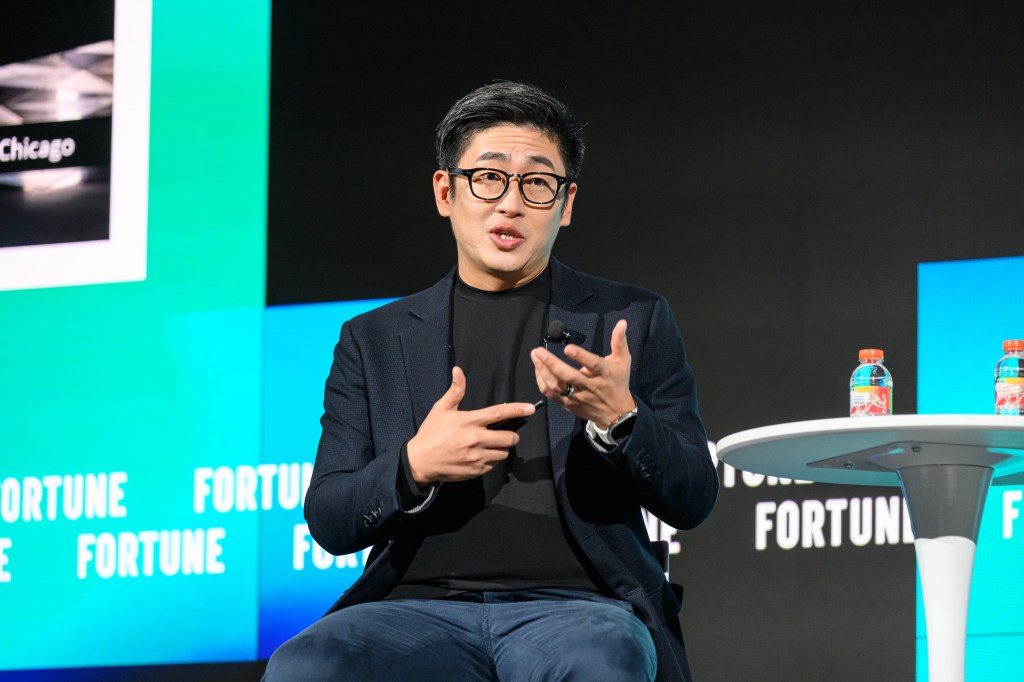
As companies continue urging their workforce back into office buildings, one challenge remains stubborn and universal: employees aren’t excited to return. Hybrid models have become normal, remote routines feel comfortable, and traditional office layouts simply don’t inspire people to commute again.
But according to Ray Yuen, Principal and Co-Managing Director at global architecture firm Gensler, the solution isn’t more mandates or stricter attendance tracking—it’s better design. And not just aesthetically better.
Yuen believes the future office must feel like an experience, not a workplace people feel forced to enter. It must offer something powerful enough—emotionally, socially, intellectually—that employees cannot get at home. And this shift, he says, will define the next decade of corporate strategy.
💡 “Workplaces are becoming destinations, not obligations.” — Ray Yuen, Gensler
In multiple interviews and industry talks, Yuen emphasizes that the post-pandemic employee expects more than a desk, a meeting room, and coffee machines. They want:
spaces that energize them
environments that promote connection
areas that strengthen company culture
settings that support creativity, wellness, and freedom
This is no longer about productivity alone. It’s about emotional resonance.
Yuen compares future workplaces to boutique hotels, museums, co-working lounges, and even experience-driven retail stores—places people visit not for necessity but for how they feel inside those spaces.
📉 Why Employees Resist Returning to Office
The resistance isn’t rebellion—it’s practical. After four years of remote and hybrid patterns, workers cite:
1. Comfort and Control at Home
Custom lighting, preferred temperature, personalized work corners, the ability to take breaks freely—home setups feel more human.
2. Commute Stress
Traffic, costs, and lost hours are major deterrents, especially for younger workers who prioritize well-being.
3. Generic Office Spaces
Many offices still look like they did in 2010—gray walls, cubicles, harsh lighting, and conference rooms that drain energy.
4. Lack of Social Engagement
If colleagues aren’t in on the same day, why come?
5. No Clear Reason to Return
Employees ask a simple question: What does the office offer that my home doesn’t?
And most companies still don’t have a convincing answer.
🏢 Ray Yuen’s Vision: Turn Offices Into “Experience Ecosystems”
Yuen argues that workplace design today must evolve as dramatically as retail did when online shopping arrived. Stores that survived didn’t compete with e-commerce—they created experiences e-commerce couldn’t replicate.
Similarly, corporate offices must offer:
✔ Immersive communal areas
Spaces that spark unplanned conversations, cross-team collaboration, and emotional connection.
✔ High-performance creative zones
Studio-like environments that inspire brainstorming, prototyping, and innovation.
✔ Hospitality-driven design
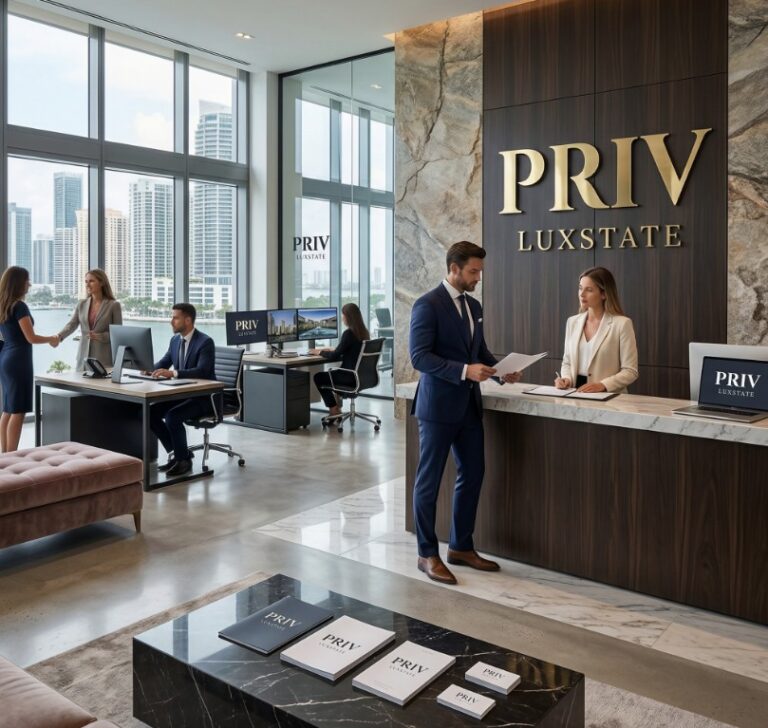
Warm lighting, comfortable seating, curated cafés, and biophilic elements that elevate mood.
✔ Wellness-forward amenities
Meditation pods, green terraces, healthy food stations, and natural ventilation—features proven to reduce burnout.
✔ Flexible spaces for hybrid teams
Areas that transform quickly depending on the day’s needs: from client presentations to team huddles to quiet focus work.
When employees walk into a space like this, Yuen says, they feel the energy—and want to come back.
🎨 “Design must tell a story.”
Yuen believes every workplace needs a narrative the moment someone steps inside.
Examples include:
A tech firm that showcases innovation with interactive walls
A media company with vibrant creative corners and studio lights
A finance firm using warm woods, greenery, and lounge-style meeting spaces to soften its image
Great workplaces don’t just function—they communicate identity.
📊 Data Backs Him Up: Employees Want Meaningful Spaces
Gensler’s global workplace surveys reveal powerful trends:
Employees are more likely to return if the space supports focus, collaboration, and socialization.
Workers want offices that feel dynamic and inspiring, not transactional.
The quality of workspace directly influences job satisfaction, productivity, and company loyalty.
In short: a boring office kills motivation.
An experience-rich office activates it.
🚀 Companies Are Already Shifting Toward Experience-Driven Design
Major Fortune 500 firms are partnering with Gensler to rethink their entire footprint. Trends include:
1. Café-style work lounges
Open seating, ambient music, artisanal coffee—more like Starbucks, less like cubicle farms.
2. “Neighborhoods” inside offices
Teams have their own identity-rich zones tailored to their workflow.
3. Hybrid collaboration studios
Advanced tech for seamless meetings between in-office and remote workers.
4. Green, wellness-oriented environments
Indoor gardens, natural light corridors, and outdoor terraces.
5. Micro-experience hubs
Pop-up spaces for art, workshops, and employee-run events.
This is workplace design as culture architecture—not real estate.
🧭 The Future: Experience Is the New Employee Benefit
Salary matters. Benefits matter. Flexibility matters.
But Yuen argues that physical work experience will soon become a competitive advantage too.
Companies that invest in inspiring workspaces will attract:
younger talent
creative professionals
innovation-driven teams
employees who value community and energy
Those that ignore design will continue struggling with attendance, morale, and engagement.
📌 Final Insight
Ray Yuen’s message is simple yet transformational:
If companies want employees to return, the workplace must give them something worth returning to.
Not pressure.
Not policy.
Not mandates.
But meaning, energy, comfort, connection, and identity.
Without experience, the office is just a building.
With experience, it becomes a destination.







+ There are no comments
Add yours