




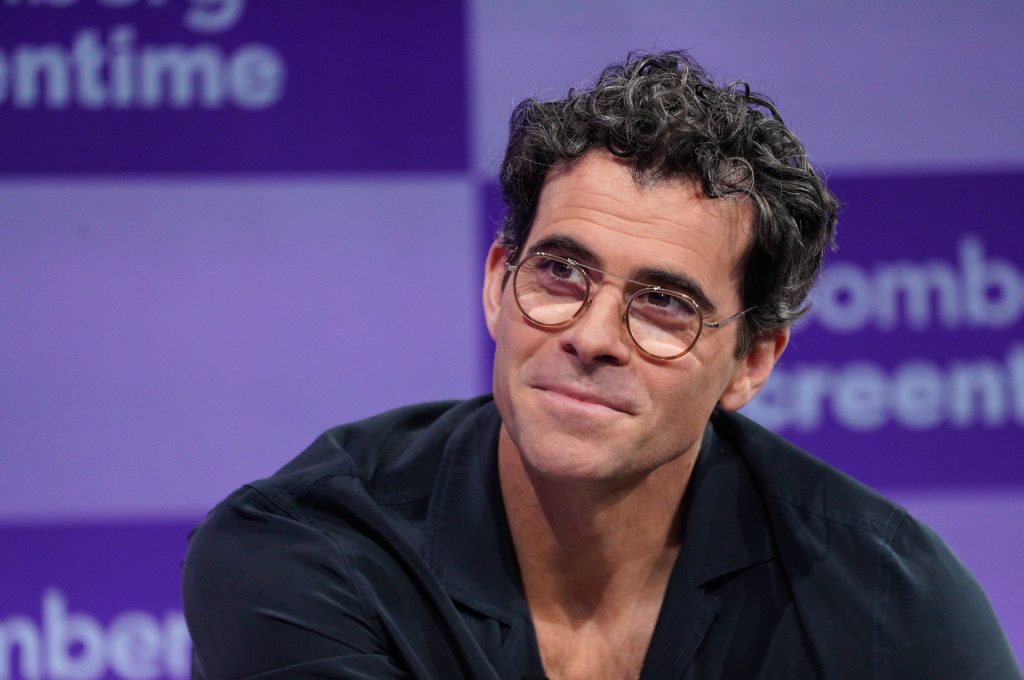
In an era when most Silicon Valley giants are cautiously embracing hybrid work, Instagram has taken a bold, unexpected leap in the opposite direction. CEO Adam Mosseri has reportedly called staff back to the office five days a week, arguing that in-person collaboration is essential for building a “winning culture”—one that can move fast, innovate relentlessly, and outperform rivals in the fiercely competitive social-media landscape.
But Mosseri didn’t just stop at demanding a full return. In a sweeping internal shake-up, he also canceled every single recurring meeting across the company, sending a clear message that he wants less bureaucracy, more speed, and zero wasted time.
This dramatic two-step strategy—tightening physical presence while eliminating meeting fatigue—marks one of the most aggressive cultural resets inside any Meta-owned platform in recent years.
🔥 Why Adam Mosseri Is Pushing a Full Return to the Office
While most companies still struggle to convince employees to come in even three days a week, Mosseri is betting big on the power of proximity. His argument is simple:
Instagram wins when people move fast. And people move faster together.
According to insiders, Mosseri believes that:
Innovation accelerates with spontaneous hallway conversations
Product decisions improve when engineers and designers sit side-by-side
Crisis response becomes quicker when teams aren’t scattered across time zones
Collaboration flows naturally in shared spaces—not through video calls
Instagram is facing intense pressure from TikTok, YouTube Shorts, Snapchat, and a rising wave of AI-powered content apps. Mosseri’s push signals a belief that real-time creativity—the kind forged in energetic, in-person teams—will be a critical competitive advantage.
📉 Staff Resistance Meets Leadership Conviction
Employees have mixed feelings.
Why some employees oppose the mandate:
They moved away during the pandemic
Commutes are expensive and time-consuming
Remote work boosted productivity for many teams
Work-life balance is harder with daily commuting
Other Meta teams still follow hybrid schedules
Why leadership insists on it:
Instagram’s growth plateaued in several markets
Reels needs continuous iteration to beat TikTok
New AI tools require cross-functional, rapid collaboration
Meta’s internal culture became too asynchronous, with slow decision cycles
Mosseri’s defenders say Instagram cannot afford “good enough” right now—it needs to operate like a startup again.
🗑️ The Great Meeting Purge: ‘Every Recurring Meeting Is Gone’
In a move employees didn’t see coming, Mosseri complemented the office mandate with a sweeping cultural reset:
All recurring meetings were wiped off the calendar—effective immediately.
This includes:
Weekly check-ins
Department-wide stand-ups
Monthly reviews
Regular syncs
Status updates
Only essential, one-time meetings may be added going forward, and each must have:
A clear purpose
A defined agenda
A strict end time
A small participant list
Mosseri reportedly wants teams to rebuild their rituals from scratch—based on necessity, not tradition.
This aligns with a growing trend dubbed “meeting zero” culture, where companies slash unnecessary gatherings to improve focus time and reduce burnout.
⭐ A Two-Part Philosophy: In-Person Energy + Zero Waste Culture
When put together, Mosseri’s approach becomes clear:
1️⃣ Bring employees physically together
To boost collaboration, energy, speed, creativity, and team identity.
2️⃣ Remove the barriers that slow them down
By eliminating the endless loop of weekly stand-ups, alignment calls, and status meetings.
The goal:
Compressed speed + concentrated creativity = competitive edge.
📊 Why Instagram Is Doing This Now
Instagram is entering the most important phase of its business evolution since Stories launched. Several forces are squeezing the platform:
• TikTok remains culturally dominant among Gen Z
Instagram Reels is strong—but still playing catch-up.
• AI-generated content is rising
New apps can produce memes, filters, and videos faster than human creators.
• Creators are demanding better monetization
YouTube is paying more. TikTok is experimenting aggressively.
• User attention spans are shortening
Algorithms must adapt faster than ever.
A culture of speed, aligned decision-making, and unified vision may be Instagram’s best chance at reclaiming momentum.
🏢 The New Instagram Workplace: More Like a High-Performance Lab
Insiders say the office is being redesigned to accommodate:
More brainstorming zones
Fewer enclosed rooms
Faster cross-team connectivity
Whiteboard-heavy spaces
High-energy pods for quick sprints
Creator studios for testing Reels content
Instagram wants to feel less like a corporate headquarters and more like a creative command center.
🌍 What This Means for Tech Culture at Large
If Mosseri succeeds:
Other Meta divisions may follow
Google and Amazon could revisit hybrid flexibility
Startups may return to office-first cultures
“No recurring meetings” could become a new Silicon Valley standard
If he fails:
Instagram risks losing top talent
Morale could drop
Competitors might poach remote workers
Hybrid models could remain the long-term norm
This experiment is being watched closely across the tech ecosystem.
📌 Final Takeaway: A Bold Gamble for a Bold Industry Moment
Adam Mosseri’s decision to call employees back five days a week—and simultaneously eliminate recurring meetings—signals a dramatic cultural reset at Instagram. It’s a high-stakes strategy built on the belief that innovation happens faster when people gather in one physical space, unhindered by bureaucracy, meetings, or slow communication loops.
Instagram is betting that if it can recapture the intensity of its early startup days—quick decisions, bold risks, real-time collaboration—it can reclaim its spot as the most culturally influential platform in the world.
In a battle for global attention spans, Mosseri wants Instagram to move not just fast—but faster than anyone else.









+ There are no comments
Add yours