





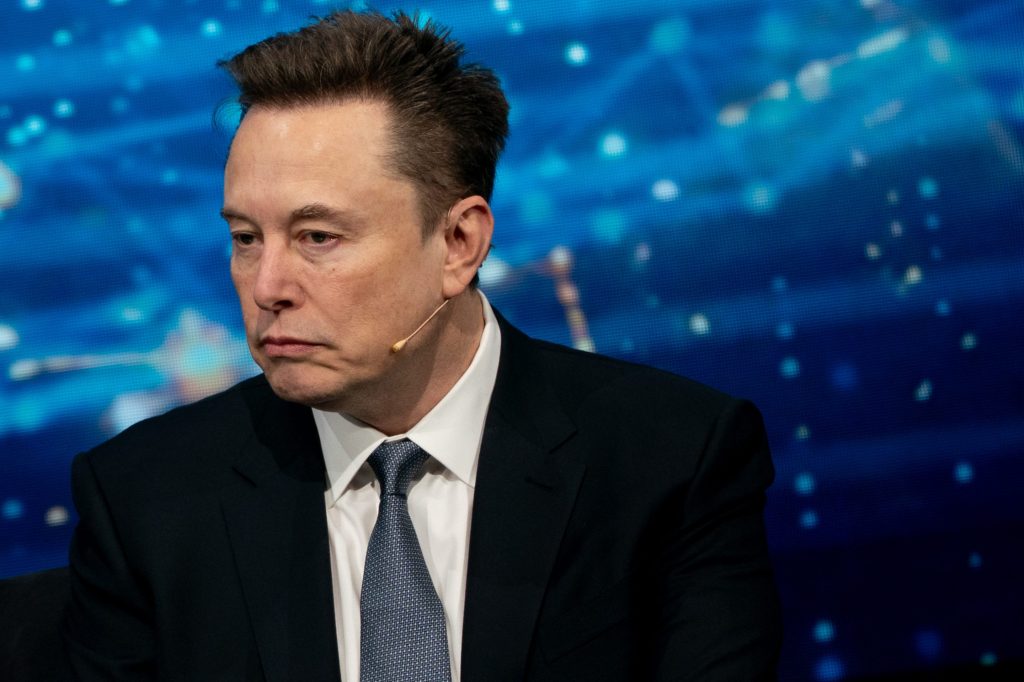
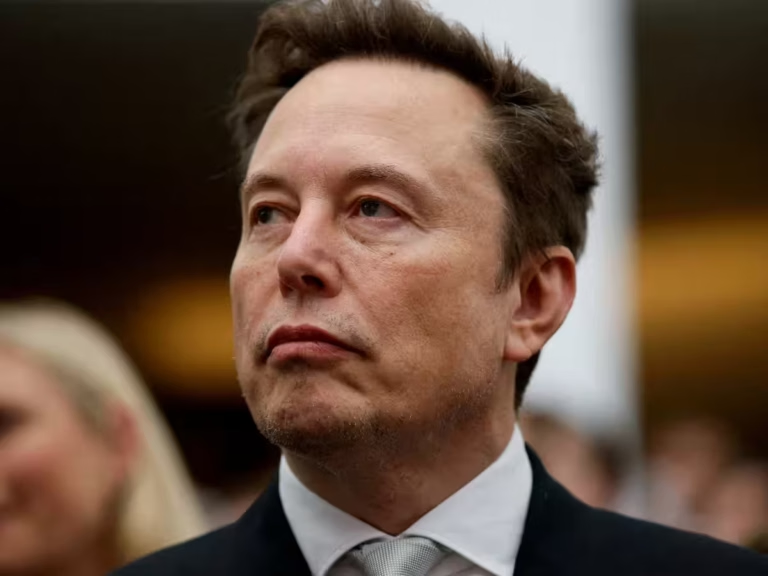
Elon Musk has once again pushed the boundaries of imagination and economics. Speaking at a global technology forum, the billionaire entrepreneur predicted that within 10 to 20 years, humans may no longer need to work — and that money itself could become irrelevant due to the explosive rise of artificial intelligence and robotics.
While the world is still debating the four-day workweek, Musk is already talking about a future where labor becomes optional, productivity is limitless, and wealth is generated automatically by intelligent machines.
This prediction, although controversial, is grounded in the unprecedented speed at which AI systems, humanoid robots, and autonomous industries are advancing.
AI and Robotics Could Outperform Humans in Almost Every Job
Musk argues that the pace of technological progress means robots and AI will soon be able to handle:
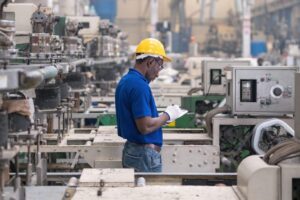
Manufacturing and assembly
Transportation and logistics
Customer service and sales
Coding, content creation, and analysis
Medicine, research, and even creative design
In simple terms, any task that relies on repetition, decision trees, or pattern recognition will be automated.
With robots working 24/7 without fatigue and AI making real-time decisions across industries, Musk believes global productivity will reach “a level humanity has never experienced.”
A World Where Work Is Optional
In Musk’s future, traditional jobs will shift from necessity to choice.
People will work because they want to — for passion, identity, or creativity — not because they need a paycheck. Robots and AI will take over the “must-do” tasks, from factory labor to administrative work, freeing humans to focus on:
Innovation
Art and storytelling
Research and exploration
Travel and leisure
Personal growth and community life
This is not merely a reduction of the workweek — it’s the end of mandatory labor as we know it.
The End of Money? Musk Says It’s Possible
Musk’s most sci-fi claim is that money may become irrelevant.
Here’s his reasoning:
If AI systems can produce goods with near-zero marginal cost,
And robots can perform services almost for free,
Then scarcity disappears — and so does the basis of money.
Economists call this a post-scarcity economy, where abundance created by technology makes traditional market structures obsolete.
In such a world, governments might introduce a system like:
Universal High Income (UHI)
A step beyond Universal Basic Income, offering a generous allowance to all citizens, ensuring everyone enjoys a comfortable lifestyle without working.
In Musk’s words, “AI will create so much abundance that money becomes less meaningful.”
But Experts Warn the Transition May Not Be Smooth
While Musk’s prediction is inspiring, many economists highlight the challenges:
Job displacement may outpace policy adaptation
Wealth concentration could increase dramatically
AI systems may replicate bias or create new inequalities
Governments may struggle to regulate super-intelligent systems
The social identity crisis of a world without work could trigger unrest
As AI takes over industries, nations will need strong frameworks to distribute productivity gains fairly — or risk deep socioeconomic instability.
Redefining Purpose in a No-Work World
One question looms large: If humans no longer need to work, what gives our lives meaning?
Work today provides:
Routine
Identity
Social structure
Purpose
Contribution to society
In Musk’s future, people may re-anchor themselves in:
Creative arts
Entrepreneurship for fun, not survival
Spirituality and wellness
Science and exploration
Family, relationships, and community
Hobbies and personal development
Human identity may shift from “What do you do?” to “What do you love?”
Governments Will Need a New Economic Blueprint
Musk urges policymakers to prepare now. This includes:
AI safety regulations to prevent misuse
Ethical robotics guidelines
Redistribution systems like UHI or national wealth funds
Education reform focused on creativity, intuition, and emotional intelligence
Public–private collaboration to manage AI development responsibly
Without strategic planning, the transition to an AI-driven economy could collapse existing systems.
Is Musk Right? The Clock Is Ticking
While some believe Musk’s timeline of 10–20 years is too optimistic, the direction is undeniable:
Autonomous factories are already running.
AI is writing code, diagnosing diseases, and designing products.
Robotics companies are developing humanoid assistants capable of complex work.
Digital agents are replacing entire white-collar workflows.
A future where work becomes optional isn’t fantasy — it’s the logical outcome of exponential technological growth.
Conclusion: A Radical Future Is Closer Than We Think
Elon Musk’s prediction that work could become optional and money could lose meaning shakes the foundation of modern economics — but it also opens the possibility of a radically better world.
A world where technology creates abundance, where people live with freedom instead of pressure, and where humans finally have time to do what they truly love.
Whether this happens in 20 years or 50, one thing is clear:
AI and robotics will redefine what it means to be human.









+ There are no comments
Add yours