






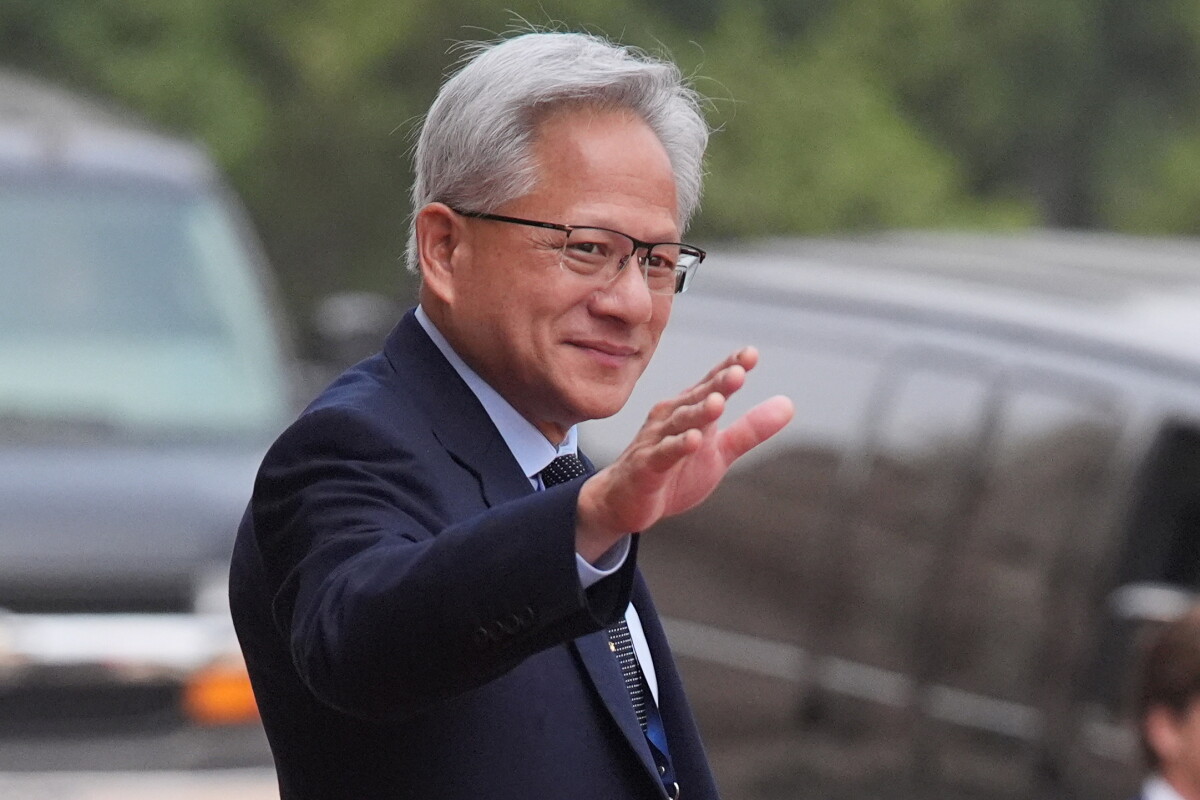
In a dramatic corporate comeback, the world’s leading AI chipmaker has brought back its co-founder following presidential pressure, investor concerns and growing questions over corporate governance and national security.
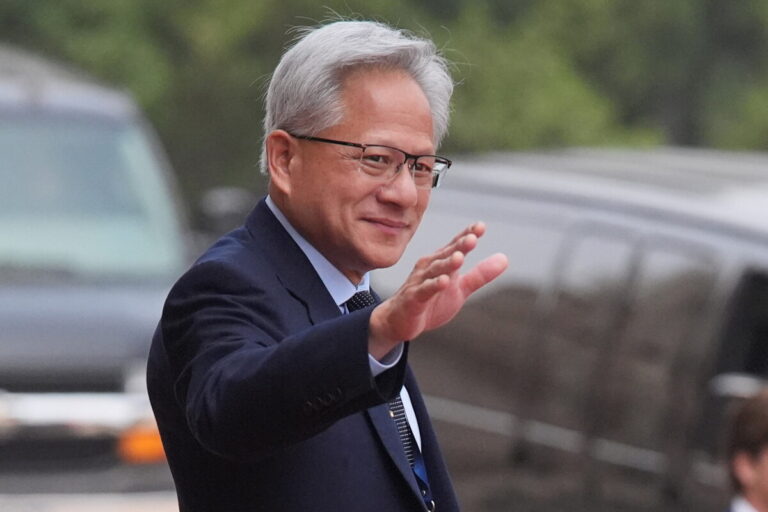
Nvidia has reinstated co-founder Jensen Huang as its chief executive officer, marking an extraordinary turnaround just days after his resignation triggered uncertainty across the global technology industry. The decision, announced on November 23, followed direct pressure from US President Donald Trump, who publicly supported Huang’s return and urged the company’s board to reconsider its earlier position.
The dramatic reversal has attracted widespread attention from investors, political leaders and technology experts, highlighting the enormous influence Huang continues to hold over one of the world’s most important technology companies.
Huang resigned on November 12 following revelations about alleged extramarital relationships, including one involving a businesswoman whom US authorities reportedly suspect of having connections to Chinese intelligence. The allegations raised concerns about corporate leadership, potential security risks and the protection of sensitive artificial intelligence technology.
Initially, Nvidia’s board appeared unwilling to reverse its decision. However, growing investor pressure and Trump’s intervention changed the situation. The company confirmed that its board had voted unanimously to reinstate Huang as president, CEO and board member after discussions about his leadership and the concerns surrounding his departure.
Nvidia also said it had received input from senior US government officials and concluded that Huang’s return did not pose a national security risk. The company stressed that its internal investigation into possible foreign intelligence activities would continue.
The announcement immediately boosted investor confidence. Nvidia shares surged approximately 31.5% on Monday, adding nearly $1 trillion to the company’s market value. The dramatic rise demonstrated how closely financial markets remain connected to Huang’s leadership and the company’s position at the centre of the global artificial intelligence boom.
Trump celebrated the decision, describing Huang’s reinstatement as the correct move for both Nvidia and the American economy. He also acknowledged speaking with board members to persuade them to bring the technology executive back.
However, the president’s involvement has raised serious questions about the relationship between government influence and corporate independence. Several lawmakers have expressed concern about the decision, particularly while investigations involving national security, export controls and possible foreign intelligence activity remain ongoing.
Nvidia is also facing broader scrutiny over its business operations, including investigations into potential accounting issues and alleged chip smuggling. The company has announced additional oversight measures, including the creation of a National Security and Export Control Committee and plans to appoint a new chief compliance officer.
Huang’s return does not mean the controversy is over. He is expected to face congressional scrutiny, with a public Senate Banking Committee hearing scheduled for December 3. Lawmakers are likely to examine the circumstances surrounding his resignation, his reinstatement and the potential implications for America’s advanced semiconductor industry.
The episode highlights the growing strategic importance of artificial intelligence chips in the competition between the United States and China. Nvidia’s processors have become essential to AI development, powering data centres, advanced computing systems and technologies used by businesses worldwide.
For investors, Huang’s return offers renewed leadership stability at a critical moment for the company. Yet the questions surrounding corporate accountability, political intervention and national security remain unresolved.
As Nvidia moves forward, the company faces a challenging task: restoring confidence, protecting its technological leadership and proving that its governance standards remain strong. Huang may have reclaimed his position, but the scrutiny surrounding his comeback could shape Nvidia’s future just as significantly as its next generation of AI chips.







+ There are no comments
Add yours