






The deployment of an advanced NATO surveillance aircraft follows Russian missile incidents and a fresh drone intrusion into Polish airspace, intensifying concerns that the war in Ukraine could threaten the security of the wider European alliance.
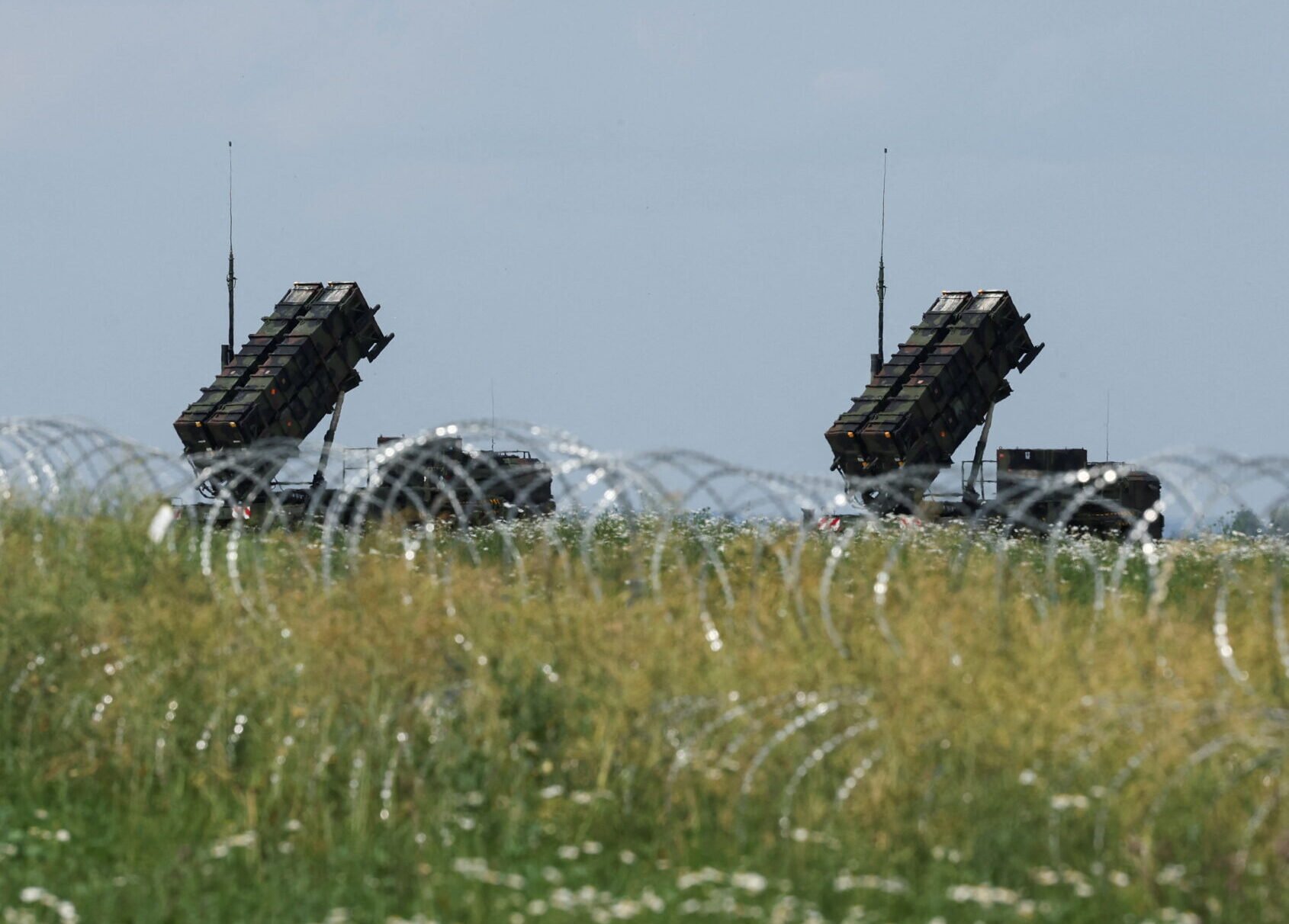
NATO is moving to strengthen Poland’s air defence capabilities after a series of Russian missile and drone incidents raised fresh concerns about the possibility of the war in Ukraine spreading into allied territory. The decision to deploy an advanced airborne early-warning aircraft marks a significant development in Europe’s security situation as tensions between Russia and Western nations continue to grow.
On November 23, NATO authorised the forward deployment of an Airborne Warning and Control System (AWACS) aircraft to Poland following the discovery of three Russian Kh-101 cruise missiles that landed in Polish territory on Friday. The missiles were reportedly connected to Russia’s latest military operations against western Ukraine.
The incident has increased anxiety among NATO members, particularly because Poland shares a border with Ukraine and has become an important strategic location for military and humanitarian support since Russia launched its full-scale invasion in 2022.
Polish Deputy Defence Minister Pawel Zalewski welcomed the decision, explaining that the surveillance aircraft would provide improved operational awareness and help the country respond more effectively to potential threats. NATO’s Supreme Allied Commander Europe, General Alexus Grynkewich, authorised the deployment, while the alliance confirmed that additional military assets were also being considered.
The AWACS aircraft will play an important role in monitoring activity across the region. Equipped with powerful radar technology, these aircraft can detect and track potential aerial threats over considerable distances. They can also share information with allied fighter jets, ships and military command centres, allowing NATO forces to coordinate their responses more effectively.
However, concerns increased further on November 24 when the Polish armed forces reported that a Russian unmanned aerial vehicle briefly violated the country’s airspace during another Russian attack on western Ukraine. Polish authorities said permission had been granted to shoot down the object, but military personnel decided against using weapons after it changed direction and moved east, citing potential risks to civilians.
The developments have raised questions about how NATO should respond to repeated security incidents along its eastern border without triggering a direct military confrontation with Russia.
Poland has received strong support from European allies. German Chancellor Friedrich Merz has expressed solidarity with Warsaw, warning Moscow against dangerous actions that could threaten European security. NATO Secretary-General Mark Rutte has also described the missile incident as dangerous, while emphasising the importance of establishing whether it was deliberate.
Under NATO’s collective defence framework, an armed attack against one member can trigger Article 5. However, an airspace violation does not automatically activate this provision, and alliance members would assess the circumstances before deciding on an appropriate response.
For Poland, the latest developments underline the importance of strengthening national air defences and maintaining close cooperation with NATO partners. For Europe, they represent another reminder that the consequences of the Ukraine war are extending beyond the battlefield.
As NATO considers further surveillance and defence measures, the challenge will be to protect its eastern members while preventing further escalation. With Russian military activity continuing near allied borders, Europe’s security situation remains uncertain, and the decisions made in the coming days could have significant consequences for the future of regional stability.









+ There are no comments
Add yours