






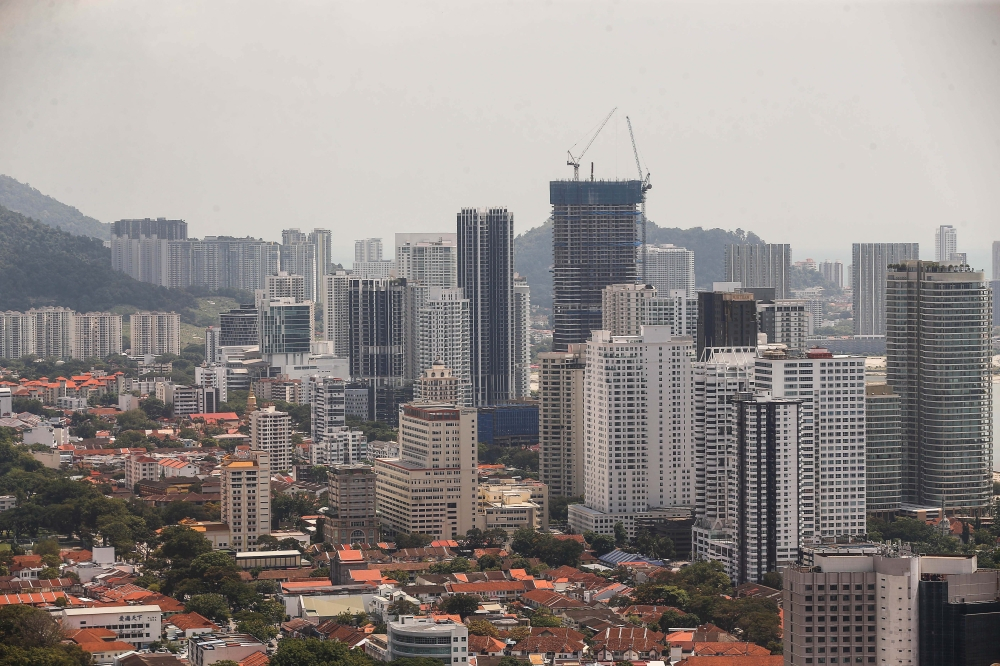
With unsold residential properties valued at up to RM230 billion and housing loan approvals falling below 40%, Malaysia’s real estate sector faces growing pressure as developers struggle to attract buyers despite continued construction and new project launches.
Malaysia’s property market is facing a growing challenge as 186,318 newly launched residential units remain unsold across the country, highlighting a widening gap between housing supply, affordability and buyers’ purchasing power. The latest figures, published on November 24, 2026, show that the unsold properties have an estimated combined list value ranging from RM105.3 billion to RM230 billion, raising concerns about the future direction of the country’s housing sector.
According to data compiled by property technology platform PropLaunch, the unsold homes are spread across developments launched since 2020 that are still being marketed by developers. A significant proportion of the remaining inventory comes from projects introduced during the past two years, suggesting that the problem is not limited to older residential developments.
Projects launched in 2025 account for 78,666 unsold units, while developments introduced during the first half of 2026 contribute another 52,229 units. Together, these properties represent approximately 70 per cent of the total unsold inventory.
One of the biggest factors affecting the market is the declining ability of potential buyers to secure housing finance. Although Bank Negara Malaysia maintained its Overnight Policy Rate at 2.75 per cent throughout 2026, housing loan approval ratios fell to 39.1 per cent during the first half of the year, the lowest level since 2021.
The figures reveal a growing difference between demand for housing finance and the amount of credit actually approved. Residential loan applications increased by 2.6 per cent year-on-year to RM231.03 billion, while the value of approved loans declined by 1.2 per cent to RM90.35 billion.
Property prices are also creating difficulties for buyers, particularly middle-income households attempting to enter the housing market. Around 45 per cent of unsold units from projects launched during the first half of 2026 belong to developments with starting prices of RM500,000 or higher. Approximately one in ten comes from projects starting above RM1 million.
Interestingly, homes priced between RM750,000 and RM999,000 recorded the highest unsold rate at 67.4 per cent. Even developments priced below RM300,000 faced difficulties, with 48.2 per cent of their units remaining unsold. This indicates that affordability challenges are affecting multiple segments of the residential market rather than only luxury housing.
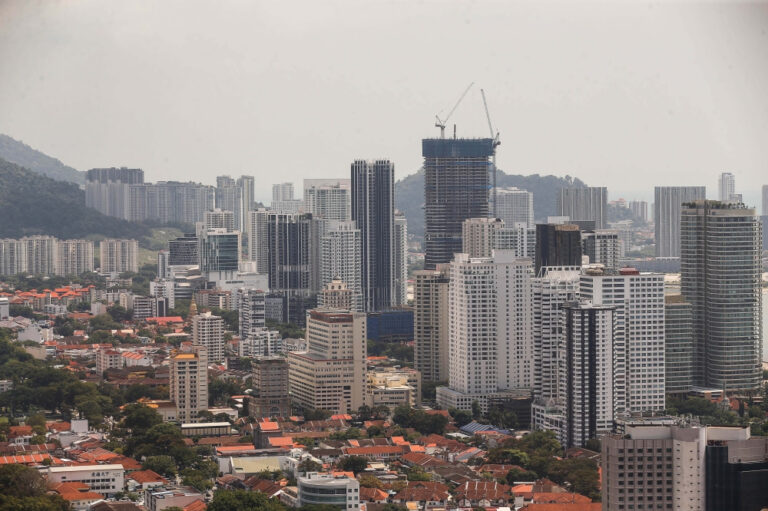
The problem is particularly visible in major property markets such as Selangor, Johor and Kuala Lumpur. These three areas account for approximately two-thirds of the unsold units from residential projects launched during the first half of 2026. Penang has also experienced pressure, recording an unsold rate of 75.9 per cent among its newly launched residential units.
High-rise developments represent another major challenge. Around 71 per cent of all unsold residential units across projects launched since 2020 are apartments and other high-rise properties. This concentration raises questions about whether developers have adequately matched new construction with the preferences and financial capabilities of local buyers.
Despite the growing inventory, developers continue introducing new residential projects. Between July and October 2026, another 298 developments comprising 57,108 residential units entered the market. Of these, 42,619 units remained unsold according to the latest compiled figures.
At the current sales rate, PropLaunch estimates that clearing the existing inventory of 186,318 homes could take approximately 39 months, assuming no additional supply enters the market. However, continued project launches could make the recovery process more difficult.
For Malaysia’s property industry, the situation presents an important challenge for developers, financial institutions and policymakers. Developers may need to reconsider pricing strategies, introduce more affordable housing options and better understand the needs of potential buyers. Meanwhile, improved access to housing finance could help qualified households move closer to homeownership.
Malaysia’s real estate sector still has opportunities for long-term growth, supported by urban development, infrastructure investment and population demand. However, the latest figures highlight the importance of balancing construction activity with genuine housing needs.
The growing number of unsold homes is more than a challenge for property developers. It reflects a wider question facing Malaysia’s economy: how can a country continue building more homes while making sure ordinary people can actually afford to buy them?







+ There are no comments
Add yours