





A fresh wave of regional attacks is raising concerns over the security of global energy supplies, as Yemen’s Houthi movement claims to have targeted a major Saudi oil facility and US President Donald Trump signals the possibility of further military action against Iran next year.
Tensions across the Middle East are intensifying as competing military and diplomatic pressures threaten to widen the conflict involving the United States, Israel and Iran. Yemen’s Iran-aligned Houthi movement has claimed responsibility for an attack on Saudi Arabia’s Rabigh oil refinery, while President Donald Trump has warned that Washington could launch new strikes against Tehran in 2027 if diplomatic negotiations fail.
The latest developments have raised fresh concerns about regional stability, energy security and the possibility of another escalation involving major international powers.
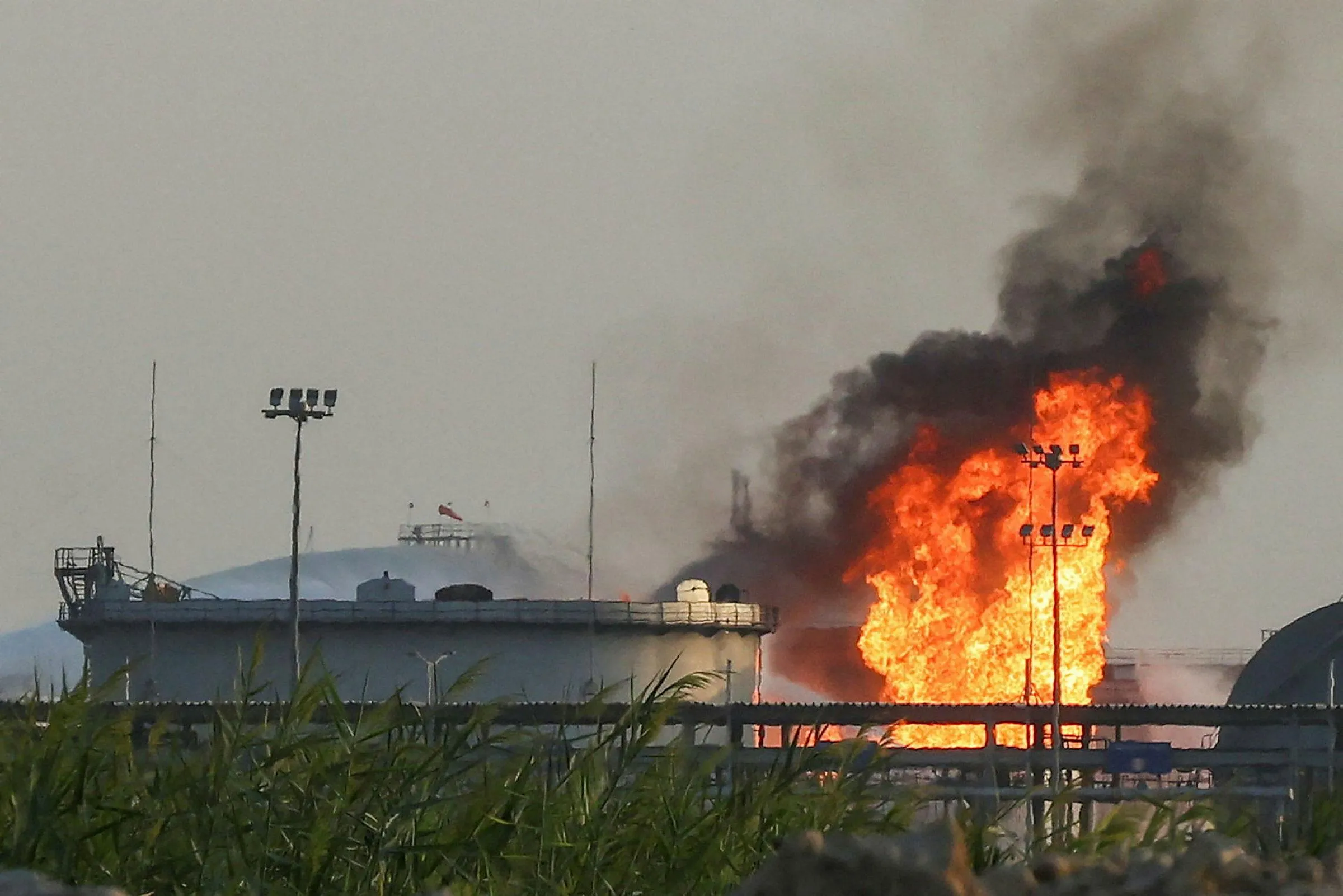
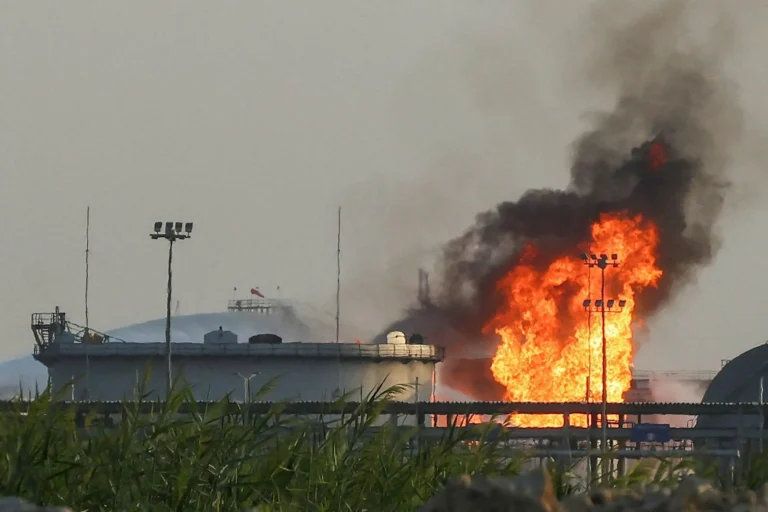
On Sunday, the Houthis announced that they had targeted the Rabigh oil refinery on Saudi Arabia’s western Red Sea coast, claiming a direct hit on the facility. However, the extent of any damage remains unclear, and Saudi authorities have not independently confirmed that the refinery was struck.
The Saudi-led coalition fighting the Houthis said it had intercepted and destroyed a drone launched towards the kingdom’s western region, an area containing important energy infrastructure. The region includes Petro Rabigh, a major refining and petrochemical complex developed by Saudi Aramco and Japan’s Sumitomo Chemical.
The refinery claim comes amid a broader pattern of attacks and military confrontations across the Gulf. Bahrain also reported that an Iranian attack on a civilian industrial facility injured two people over the weekend. Meanwhile, maritime authorities reported another security incident involving a tanker and military forces in the Gulf of Oman.
The growing instability has placed particular attention on the Strait of Hormuz, one of the world’s most important energy shipping routes. Before the current conflict, approximately one-fifth of global crude oil shipments passed through this strategic waterway. Disruptions to commercial shipping have the potential to affect international oil supplies, transportation costs and the wider global economy.
Trump Raises the Prospect of Further Military Action
Against this increasingly tense background, Trump has indicated that he is prepared to consider additional military strikes against Iran next year if negotiations fail to produce an agreement.
Speaking in an interview with Fox News on Saturday, the US president accused Iranian officials of delaying diplomatic progress while becoming more aggressive. He suggested that Washington could take further military action against Tehran rather than accept an agreement that does not meet American demands.
His comments come as indirect diplomatic communication between Washington and Tehran continues through Qatar.
Iranian Deputy Foreign Minister Kazem Gharibabadi said that discussions with international mediators were ongoing following a meeting with Qatari representatives. He indicated that Tehran remained in contact with mediators through in-person and virtual discussions in an effort to create another opportunity for diplomacy.
The conflicting signals from Washington and Tehran illustrate the difficulties facing diplomatic efforts. While Iranian officials have expressed willingness to continue negotiations, the two sides have yet to reach mutually acceptable terms to end the conflict.
Global Energy Markets Watch the Gulf
The latest developments are also being closely monitored by international energy markets. Continued threats against oil infrastructure and commercial shipping could increase uncertainty for producers, traders and governments dependent on stable energy supplies.
Brent crude was trading around $92.35 per barrel in early Asian trading on Monday, while US West Texas Intermediate crude stood near $83.25, according to the market figures reported by CNBC.
For Saudi Arabia, the security of its energy infrastructure remains a major strategic concern. For the wider international community, the possibility of further disruption in the Gulf raises questions about economic stability and the security of essential trade routes.
The coming weeks could prove important for regional diplomacy. Qatar and other international mediators continue to face the challenge of bringing the opposing sides closer to an agreement while military tensions remain high.
The latest Houthi claim and Trump’s warning demonstrate how quickly developments in one part of the Middle East can affect the security calculations of neighbouring countries and the wider international economy.
As the prospect of further military action hangs over diplomatic negotiations, the region faces a difficult period in which political decisions, military responses and international mediation could shape the direction of the conflict in 2027.






+ There are no comments
Add yours