






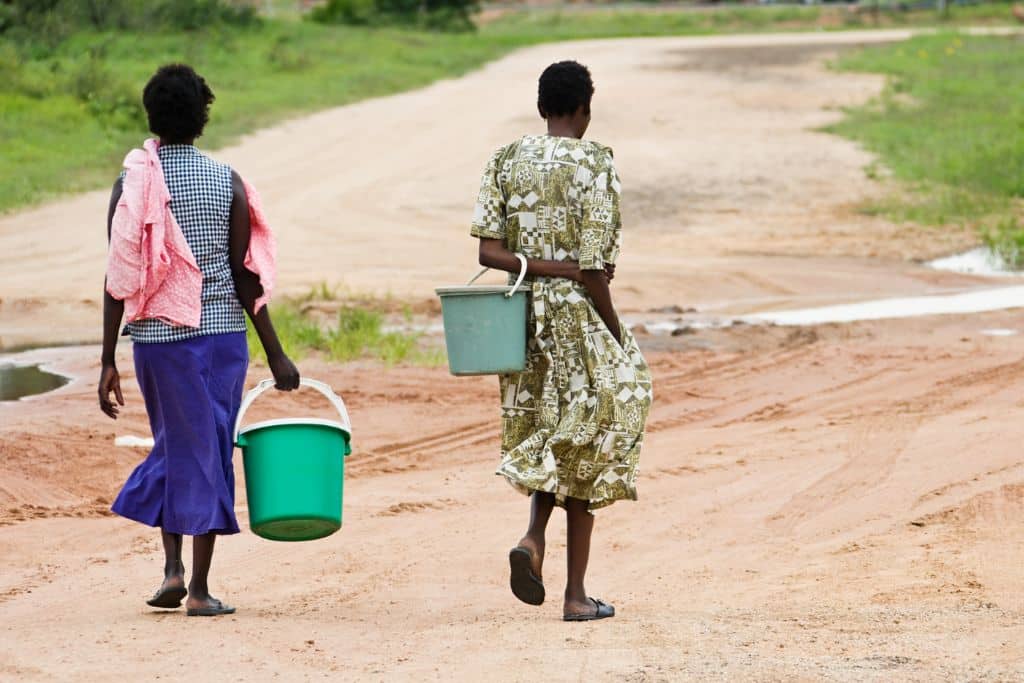
The United Nations has issued a stark warning that the world is entering a dangerous phase of “global water insecurity,” cautioning that growing shortages of clean and reliable water now pose a serious threat to economic stability, public health, and international peace. The warning comes amid rising evidence that climate change, population growth, pollution, and weak governance are pushing water systems in many regions close to collapse.
According to the UN, demand for fresh water is increasing at a pace that far outstrips supply, with billions of people already living in areas experiencing severe water stress. Rivers, lakes, and underground aquifers are being depleted faster than they can naturally recover, while extreme weather events such as droughts and floods are becoming more frequent and intense. These pressures are straining governments’ ability to provide safe drinking water, support agriculture, and sustain industrial activity.
UN officials stressed that water scarcity is no longer only an environmental issue but a growing political and security concern. Competition over shared water resources is intensifying within and across borders, increasing the risk of conflict, displacement, and economic disruption. Fragile and developing countries are particularly vulnerable, but the crisis is also affecting advanced economies as aging infrastructure and prolonged droughts expose systemic weaknesses.
The warning highlighted the disproportionate impact on vulnerable communities, where water shortages are accelerating food insecurity, health crises, and poverty. Farmers face shrinking harvests, cities struggle with unreliable supplies, and industries dependent on water are confronting rising costs and operational risks. Without urgent action, the UN cautioned, water-related shocks could undermine global growth and reverse development gains.
The organization called for immediate investment in water infrastructure, stronger international cooperation, and more efficient use of existing resources. It also urged governments to treat water as a strategic priority, integrating water security into climate policy, economic planning, and national security strategies.
As global leaders gather to address economic and geopolitical challenges, the UN’s message is clear: without decisive action, the water crisis could become one of the defining threats of the 21st century, reshaping societies, economies, and global stability in profound and lasting ways.









+ There are no comments
Add yours