







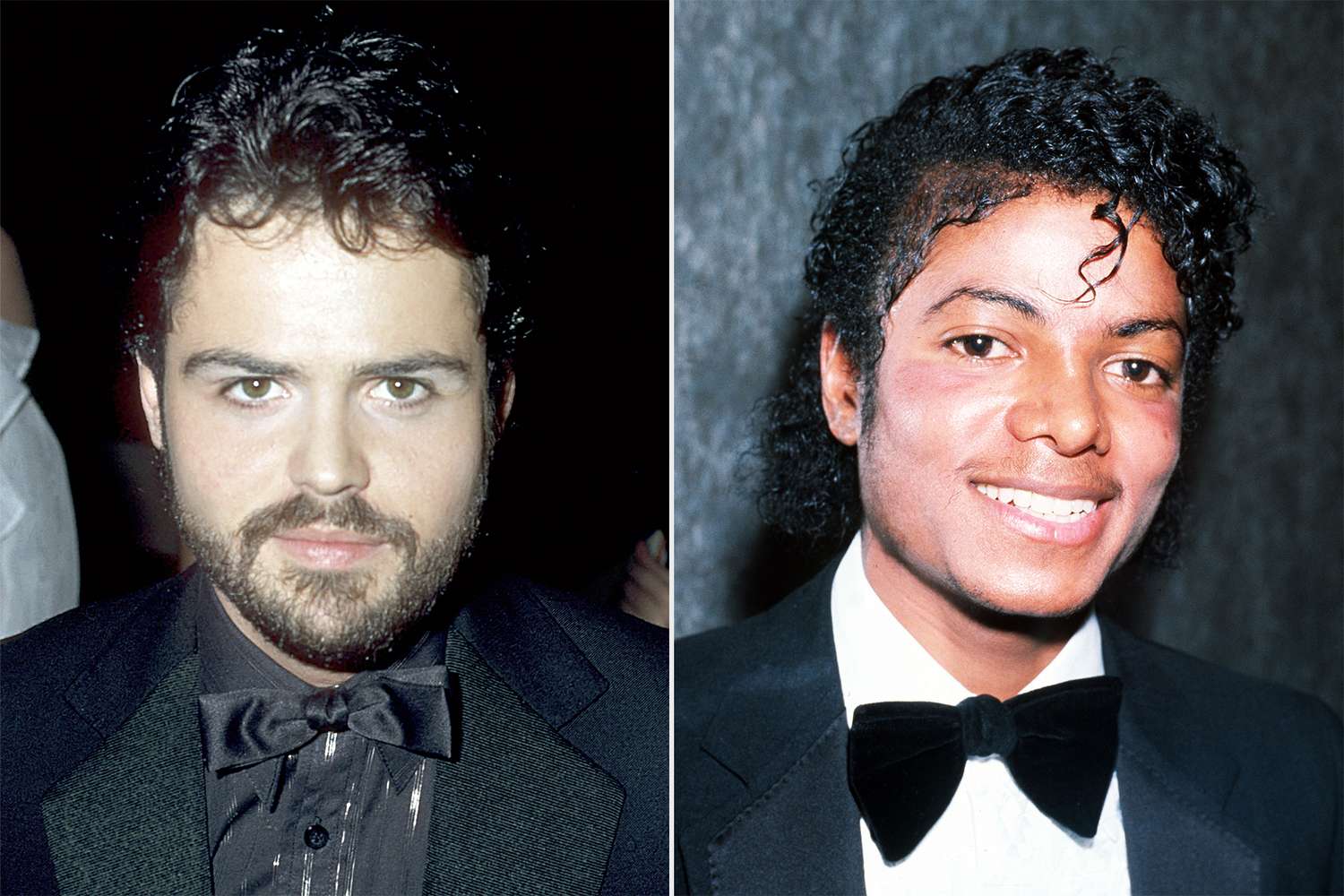
From becoming the world’s biggest teenage heart-throb to watching his career collapse, the legendary entertainer reflects on the pressures of early fame, years of professional exile and his enduring friendship with Michael Jackson.
For Donny Osmond, fame arrived before he was old enough to understand its consequences. By the age of 14, he had become one of the most recognisable faces in international entertainment, attracting millions of teenage fans and dominating music charts on both sides of the Atlantic. Yet behind the dazzling smile, screaming crowds and extraordinary success was a young performer whose life would eventually become a difficult journey through rejection, disappointment and personal reinvention.
In the early 1970s, Osmond was more than a successful singer. He was a global phenomenon. His hit song Puppy Love spent five weeks at number one in the United Kingdom, while other popular recordings, including The Twelfth of Never and Young Love, helped establish him as one of the defining teenage idols of the decade. His popularity became so enormous that the excitement surrounding him was widely described as “Donnymania”.
His arrival at London’s Heathrow Airport in October 1973 attracted such enormous crowds that a viewing balcony reportedly collapsed amid the excitement. The incident demonstrated the extraordinary influence a teenage entertainer could have over an entire generation. Even legendary performers such as Michael Jackson initially found themselves competing with Osmond’s popularity.
However, the entertainment industry can be unforgiving, particularly when its biggest stars grow older. By the time Osmond reached 21, the extraordinary popularity that had once defined his identity had begun to disappear. Musical trends changed, audiences moved towards new artists and the teenage sensation found himself struggling to establish a place in an industry that had once celebrated him.
The fall from fame was painful. Osmond later described the experience through the powerful phrase, “My name was poison”, reflecting how difficult it had become to escape the image that had once made him successful. The same celebrity identity that opened doors during his teenage years increasingly became an obstacle to professional opportunities.
Instead of allowing his early success to define the rest of his life, Osmond began rebuilding his career. His journey involved years of uncertainty, personal reflection and efforts to demonstrate that he was more than a former teenage pop sensation. His eventual return to entertainment showed that reinvention was possible, even after experiencing a dramatic professional decline.
His friendship with Michael Jackson also forms an important part of the story. Both performers experienced extraordinary childhood fame, intense public attention and the complicated realities of growing up in an industry that rarely allowed young celebrities to enjoy an ordinary childhood.
Jackson’s later years were surrounded by controversy, particularly following allegations of child sexual abuse, which he denied. Osmond’s reflections on his friendship with Jackson offer another perspective on the pressures experienced by performers who become international celebrities while still children.
Their experiences highlight a difficult reality of the entertainment business: public admiration does not necessarily provide personal happiness, emotional security or protection from criticism.
Today, Osmond’s story carries a message that reaches far beyond the music industry. His journey demonstrates that fame can be temporary, public approval can disappear and professional failure does not have to determine someone’s future.
For a generation that once covered bedroom walls with his photographs, Donny Osmond remains a symbol of teenage musical history. But his greatest achievement may not have been becoming a global superstar at 14. It may have been finding the courage to start again when the world seemed ready to move on without him.










+ There are no comments
Add yours