






The unprecedented meeting of three of the world’s most powerful leaders in China has delivered a powerful diplomatic spectacle but few concrete breakthroughs, raising fresh questions about international influence, nuclear security and the future of global leadership.
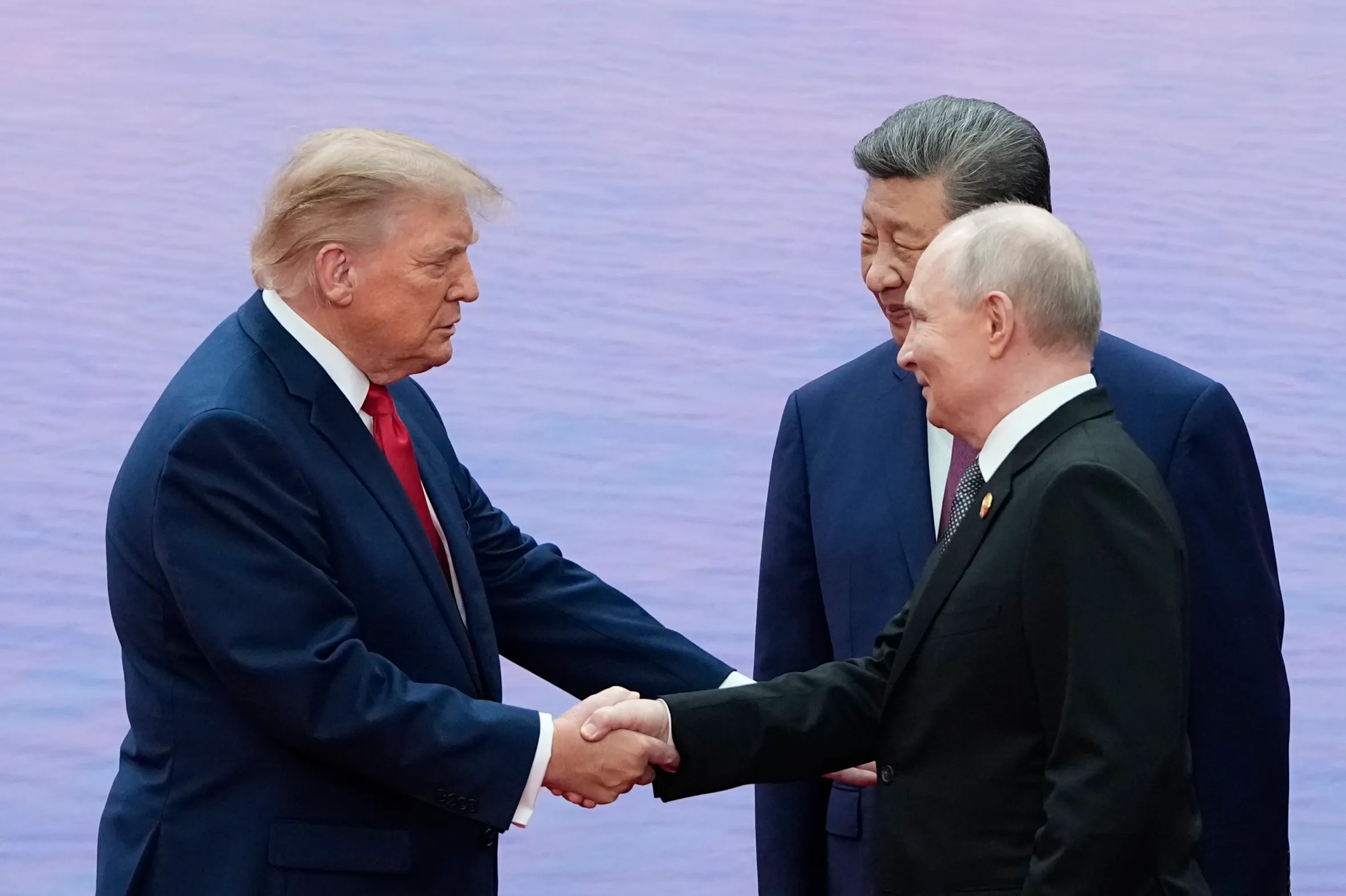
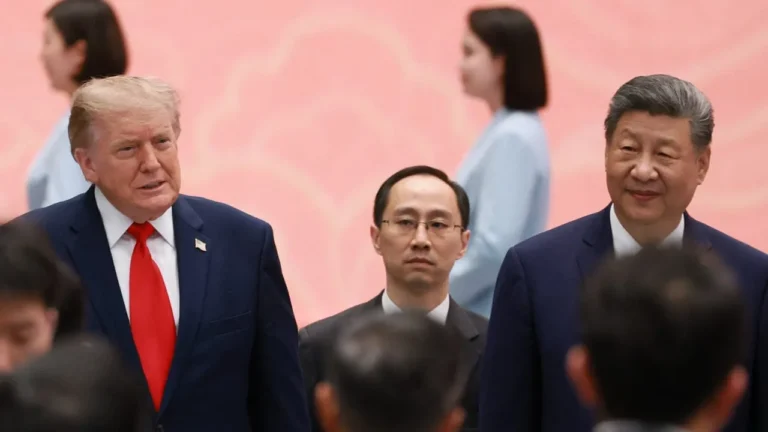
The world is watching closely after US President Donald Trump, Chinese President Xi Jinping and Russian President Vladimir Putin came together for an unprecedented trilateral summit in Shenzhen, China. The November 19 meeting brought the leaders of three major global powers around the same table, creating a historic diplomatic moment at a time when international relations are increasingly shaped by geopolitical tensions, regional conflicts and competition for global influence.
Trump described the gathering as an opportunity to make history, highlighting the importance of maintaining direct communication between powerful nations. The meeting focused on several major international issues, including nuclear weapons, the war in Ukraine, Iran, energy security and the future of international cooperation.
However, despite the significance of the gathering, the summit ended without a major breakthrough on some of the world’s most pressing challenges. Instead, the three governments issued a four-point joint declaration addressing energy supplies, international justice, nuclear risks and reform of the United Nations.
One of the most important commitments was the reaffirmation that a nuclear war cannot be won and must never be fought. The leaders also expressed support for dialogue aimed at reducing nuclear risks and preventing the spread of nuclear weapons. The statement offered a diplomatic signal of cooperation, although it did not establish a specific timetable for negotiations or a concrete nuclear disarmament agreement.
The absence of a clear commitment to nuclear arms reduction was particularly significant for Washington. Trump has repeatedly expressed interest in bringing China into future nuclear negotiations alongside Russia. However, Beijing has previously resisted such proposals, pointing to the considerable difference between China’s nuclear arsenal and those of the United States and Russia.
The war in Ukraine remained another major concern surrounding the summit. Although Putin confirmed that the conflict was discussed, the joint declaration did not directly mention Ukraine or announce any agreement aimed at ending the war. This has raised questions among Western allies about whether the high-profile diplomatic engagement can translate into meaningful progress towards peace.
The meeting also attracted attention because of the relationship between the three leaders. Trump openly described Putin as a friend and praised his relationship with Xi, while the Chinese president emphasised the importance of cooperation between major powers. Their public displays of diplomatic warmth created striking images, particularly given the significant political disagreements and strategic competition that continue to divide their countries.
For Putin, the summit offered an opportunity to demonstrate that Russia remains an important participant in international diplomacy despite Western sanctions and its continuing war against Ukraine. Sitting alongside the American and Chinese presidents also gave Moscow a prominent international platform.
Xi Jinping, meanwhile, gained an opportunity to position China as a central meeting point for discussions involving the world’s major powers. Hosting the summit reinforced Beijing’s diplomatic ambitions and highlighted its growing influence in international affairs.
Trump’s approach to international leadership also came under renewed scrutiny. His preference for direct personal relationships with world leaders has become a defining feature of his diplomatic strategy. Supporters argue that maintaining communication with geopolitical rivals can create opportunities that traditional diplomacy sometimes struggles to achieve. Critics, however, question whether high-profile meetings and personal relationships can deliver lasting agreements without clear commitments and practical results.
European leaders have also been watching developments carefully, particularly because of concerns about Ukraine’s security. Germany and other European allies have stressed that decisions affecting European security cannot be made without European participation. The absence of Ukraine from the Shenzhen declaration has therefore become an important issue in the wider diplomatic discussion.
According to Reuters analysis, the summit highlighted the limitations of Trump’s personalised diplomatic approach, with major disagreements remaining unresolved despite the historic gathering. Nevertheless, some arms-control experts have welcomed the commitment to continued dialogue between the three nuclear powers as a potentially useful starting point.
The implications extend far beyond the three countries involved. Decisions concerning nuclear weapons, energy supplies and international institutions can influence economic stability, military security and diplomatic relationships across the world. Smaller nations, particularly those dependent on international trade and regional stability, will also be watching how cooperation between major powers develops.
The Shenzhen summit may not have produced the dramatic agreements many observers hoped for, but it has opened another chapter in global diplomacy. The challenge now is to turn political statements into practical action.
For Trump, Xi and Putin, the real measure of leadership will not be the photographs taken during the historic meeting or the promises made around the negotiating table. It will be whether their decisions help reduce international tensions, strengthen global security and create a more stable future.
As geopolitical competition continues, the world faces an important question: can three powerful leaders move beyond diplomatic appearances and deliver the cooperation that global stability urgently requires?







+ There are no comments
Add yours