






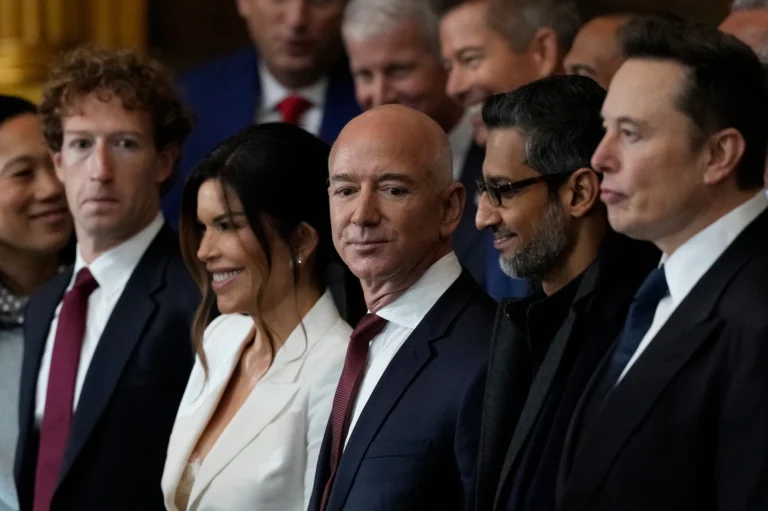
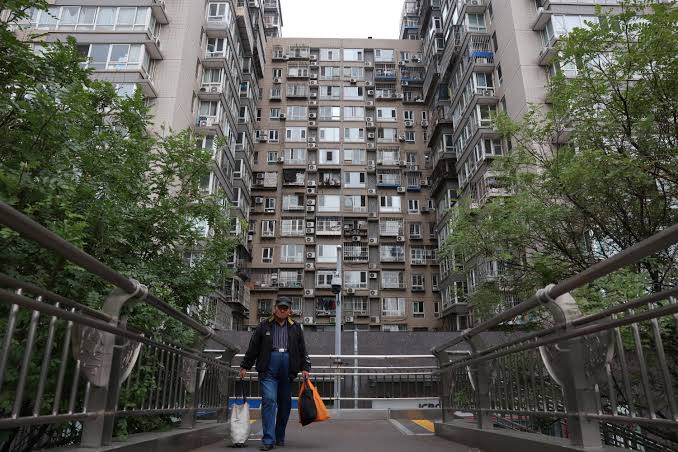
The world is becoming richer in many ways, but for millions of people, prosperity remains frustratingly out of reach. While billionaires accumulate extraordinary fortunes and technology reshapes entire industries, families across the globe continue to struggle with the rising cost of living, insecure employment and the growing price of a better future.
The divide between wealth and hardship is no longer simply a question of how much money people earn. It is increasingly about who owns the assets, controls the technology and has access to the opportunities that will define the next generation.
According to figures cited by the United Nations, the richest 10 per cent of the global population own approximately 75 per cent of the world’s wealth. Such concentration raises fundamental questions about fairness, economic security and whether the benefits of global growth are reaching those who need them most.
Artificial intelligence could make the challenge more urgent. New technologies promise advances in medicine, education, manufacturing and productivity, potentially creating opportunities that were unimaginable only a few years ago. But the gains may not be shared equally. Companies and individuals with access to capital, advanced technology and specialist skills could benefit disproportionately, while workers in vulnerable industries face uncertainty about their livelihoods.
For poorer countries, the stakes are particularly high. Without investment in education, infrastructure, reliable energy and digital access, they risk becoming consumers of technologies developed elsewhere rather than participants in the industries generating the greatest wealth.
Yet inequality is not inevitable. Governments can expand access to quality education, strengthen public services, encourage fair competition and design tax systems that ensure those with the greatest resources contribute to the societies from which they benefit. Businesses also have a role in creating secure employment, investing in workers and sharing the gains from technological progress.
The challenge is not to punish success or prevent innovation. It is to ensure that economic progress creates opportunities beyond a privileged minority.
A society cannot measure its success by the fortunes accumulated at its summit alone. It must also consider whether ordinary people can afford a home, access healthcare, educate their children and believe that hard work offers a realistic path to a better life.
The defining question for the global economy is no longer simply how much wealth the world can create. It is whether that wealth can build a future in which prosperity is a genuine possibility for millions more — rather than a privilege reserved for those who already have it.




+ There are no comments
Add yours