






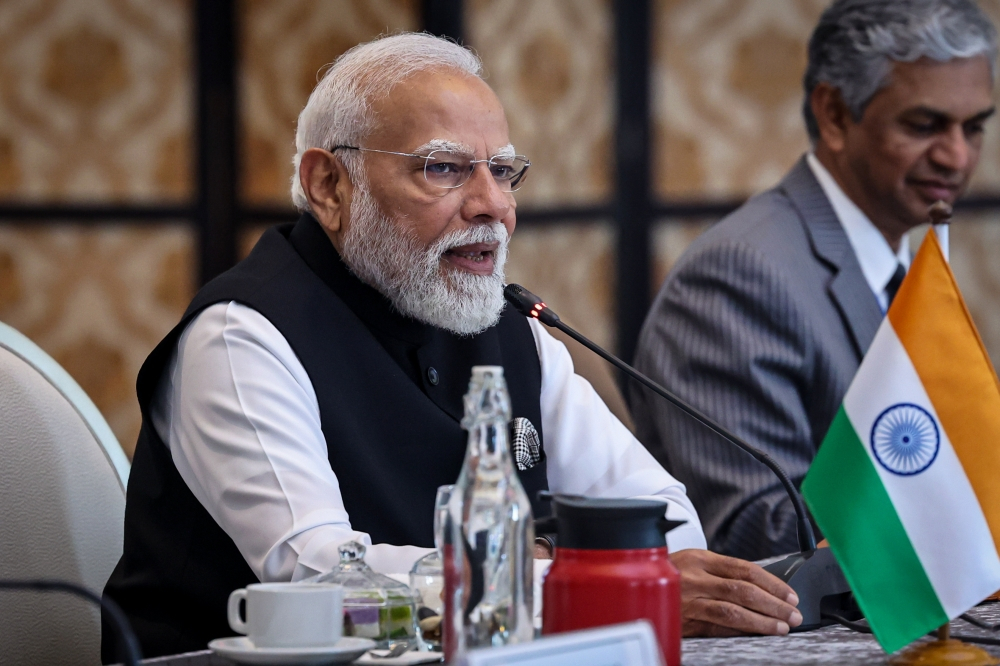
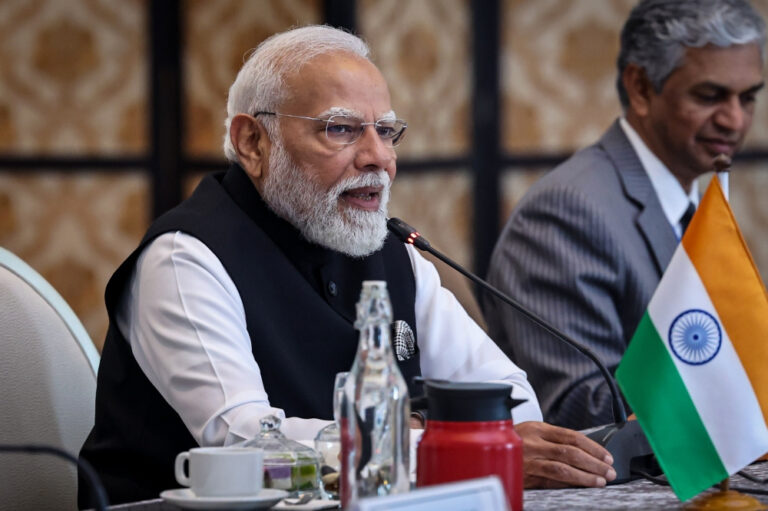
Indian Prime Minister Narendra Modi is confronting a growing set of political challenges as youth-led protests over voter lists intensify, opposition parties demand accountability from election authorities and economic pressures complicate the government’s agenda.
The protests, led in part by the youth movement known as the Cockroach Janta Party, have become a significant source of political pressure for Modi’s government. What began as demonstrations over examination paper leaks has expanded into a broader campaign challenging changes to electoral rolls and demanding the resignation of Chief Election Commissioner Gyanesh Kumar.
More than 130 million names have been removed from voter lists during a revision process that began last year, according to Reuters. Authorities say the deletions include people who have died, relocated or could not be traced. Opposition parties and protesters argue that the process risks excluding eligible voters and could benefit Modi’s Bharatiya Janata Party. The Election Commission and the BJP reject allegations of political bias.
The dispute has spilled onto the streets of New Delhi, where demonstrations, detentions and restrictions have intensified tensions. Opposition leader Rahul Gandhi joined protesters on Monday in a march towards the Supreme Court, seeking action over the controversy. The demonstrations have also raised concerns about the treatment of journalists covering the unrest.
For Modi, the confrontation presents a test of political leadership and public confidence in India’s electoral institutions. Although the BJP has continued to perform strongly in recent state elections, the youth movement has brought renewed attention to questions of accountability, democratic participation and the government’s response to dissent.
Economic pressures add another layer of uncertainty. India’s trade negotiations with the United States have stalled, while disagreements over India’s purchases of Russian oil have complicated relations between New Delhi and Washington. Higher oil prices and foreign investment outflows have also weighed on the rupee, prompting the Reserve Bank of India to introduce measures aimed at stabilising the currency.
Despite these pressures, India’s economy continues to grow at a relatively rapid pace, providing the government with an important source of support. Yet sustained economic growth does not automatically resolve concerns about electoral representation or public trust in institutions.
The coming weeks will test whether the government can contain the unrest through political engagement and administrative measures, while addressing concerns about voter registration and economic stability.
For Modi, the challenge is no longer limited to managing opposition criticism. It is also about maintaining public confidence in the institutions that underpin India’s democracy, at a time when a new generation of protesters is demanding greater accountability from those in power.



+ There are no comments
Add yours