


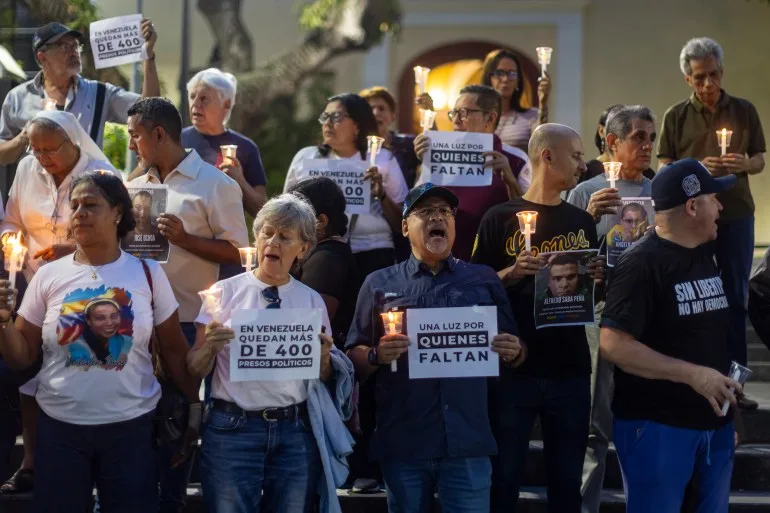
In the early hours of Saturday, prison doors opened across Venezuela for a group of political detainees, offering a rare moment of movement in a country still struggling to define what comes next after years of political repression and upheaval.
Human rights groups said Venezuelan authorities released a significant number of political prisoners, including Wilder Vasquez, who had been serving a five-year sentence imposed in 2018 over allegations that he plotted to kill former President Nicolás Maduro. Rights group Foro Penal also confirmed the release of other detainees, including Miguel Castillo Cedeño and Frank Cabañas.
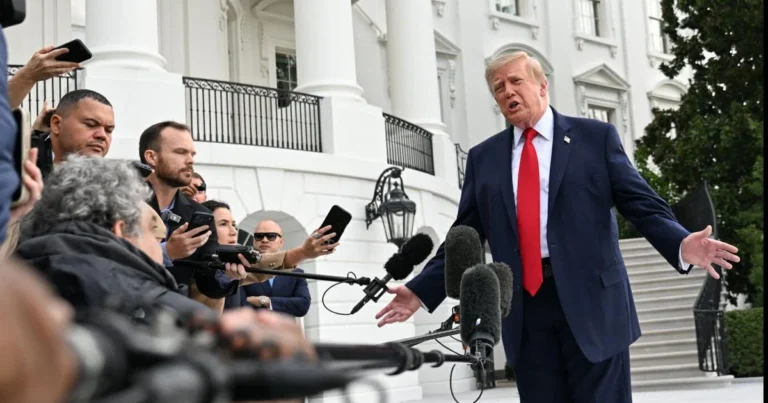
The releases came days after interim President Delcy Rodríguez met US President Donald Trump during the United Nations General Assembly in New York. The Venezuelan government has not publicly confirmed whether the latest releases were connected to those discussions.
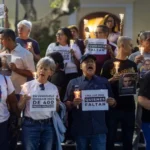
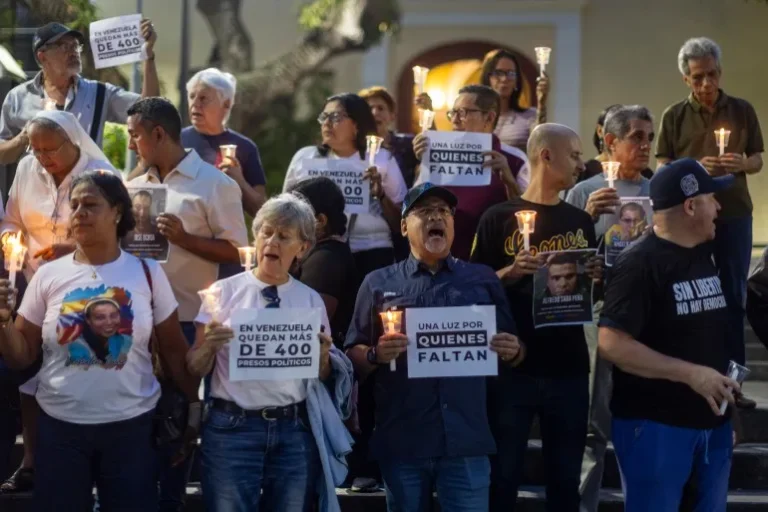
The timing has nevertheless given fresh momentum to demands for elections. On Sunday, hundreds of supporters of opposition leader María Corina Machado gathered in Caracas and other Venezuelan cities, calling for her return and for presidential elections. Demonstrators carried Venezuelan flags and wore the light-blue colours associated with Machado’s political movement.
Machado remains outside Venezuela, while her supporters continue to press for her return. Her aide Claudia Macero returned to the country on Sunday and told supporters that the opposition leader was seeking a way home.
The prisoner releases mark another chapter in a reconciliation process that had previously seen hundreds of detainees freed before slowing sharply earlier this year. Human rights organisations say many political prisoners remain in detention, while opposition groups continue to demand broader political reforms.
For Venezuela, the question now extends beyond who has been released. It is whether the opening of prison doors can develop into a wider political opening — one that eventually leads to credible institutions, the return of political figures and a clearly defined path toward elections.
On the streets of Caracas, that demand is already visible. For protesters carrying flags and calling for a vote, the releases are not an endpoint. They are being treated as one sign of a political process whose final destination remains uncertain.



+ There are no comments
Add yours