






Rescue teams in Nepal are racing against time to reach hundreds of workers feared trapped inside mud-filled tunnels at hydropower facilities along the Trishuli River, as devastated families wait anxiously for news of their loved ones.
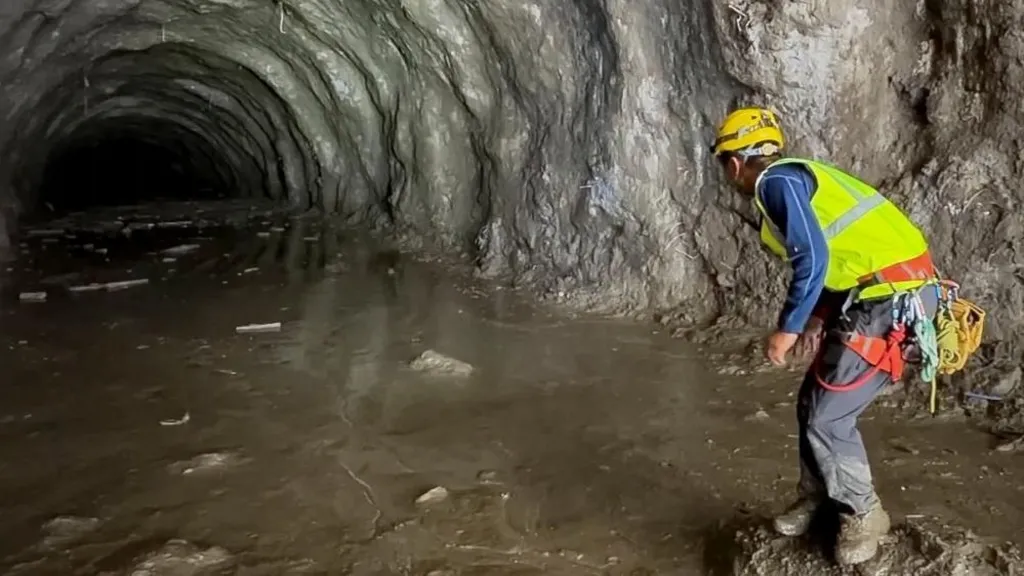
Army personnel and international rescue teams have resorted to using explosives to blast through sections of the hillside in an effort to gain access to the underground tunnel network. Rescuers are also pumping air into the tunnels amid hopes that survivors may still be alive inside.
The operation, which continued on Monday, has become one of the most challenging rescue efforts following the devastating floods and mudslides that struck the Nepal-Tibet border region.
Families of the missing workers have gathered near the disaster zone, desperately waiting for any information. Among them is Anushila Bhandari, whose husband, Aurus Bhandari, a 33-year-old engineer working on the project, remains missing.
“I wish we could find him. I wish he would come home,” she told BBC Nepali.
According to Nepal’s disaster management authorities, the wider flood disaster has claimed at least 939 lives. Authorities have revised the number of people reported missing to 3,925, including 592 foreign nationals.
A significant number of those missing are believed to have been working at hydropower projects in the affected region. Nepalese Prime Minister Balendra Shah said that 279 people had been rescued from the hydropower sites so far, while efforts continued to locate those still trapped or missing.
The rescue operation is being led by a joint international team involving Chinese and Nepalese military personnel. Specialists from India, South Korea and Australia have also joined the mission, bringing additional technical expertise and equipment to the difficult operation.
Hydropower plants in the region employ hundreds of people, including local workers, migrant labourers and highly skilled engineers. The extensive underground tunnels, now filled with mud and debris, have made access extremely dangerous and complicated.
As rescuers continue drilling, blasting and clearing pathways into the mountainside, families remain hopeful that survivors can still be reached. However, officials fear that the chances of finding people alive are becoming increasingly limited as time passes.
The disaster has once again highlighted the vulnerability of Nepal’s mountainous infrastructure to extreme weather, floods and landslides, with the country’s emergency services now facing an enormous humanitarian and recovery challenge.







+ There are no comments
Add yours