







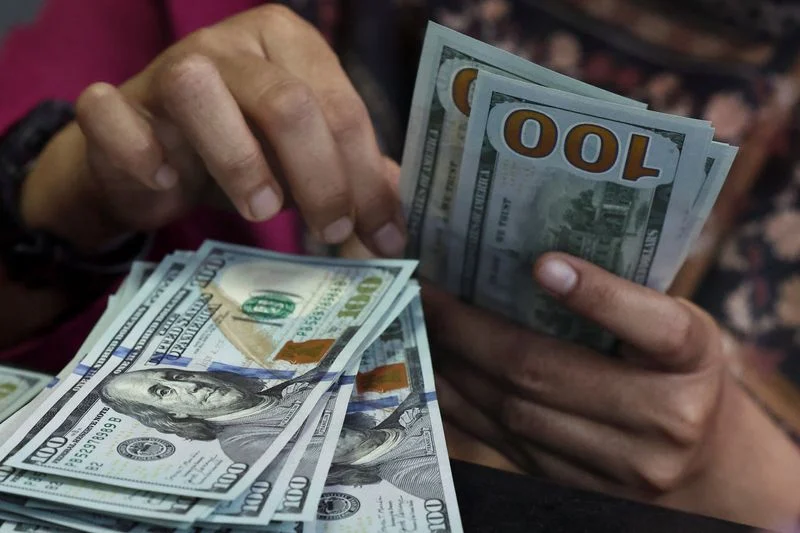
The U.S. dollar remained close to a two-week high on Monday as investors increased their expectations for another Federal Reserve interest-rate hike following hawkish comments from Fed Chair Kevin Warsh. The yen, meanwhile, hovered near the closely watched 160-per-dollar level, raising concerns about possible intervention by Japanese authorities.
Warsh said on Friday that the Federal Reserve would have more work to do if policymakers lacked sufficient confidence that inflation was moving toward the central bank’s 2% target. His remarks strengthened expectations that U.S. interest rates could remain higher for longer or potentially rise again as the Fed seeks to contain persistent price pressures.
The shift in expectations supported the dollar as traders reassessed the outlook for U.S. monetary policy. Higher interest rates generally make dollar-denominated assets more attractive to investors, particularly when other major central banks are expected to maintain less restrictive policies.
The Japanese yen remained under pressure, trading near 160 to the dollar. The level is being closely monitored because a further decline in the yen could increase pressure on Japanese officials to intervene in currency markets. Japan has previously warned against excessive and disorderly currency movements, particularly when a weak yen increases the cost of imported goods and energy.
Market attention is also turning toward developments in global energy markets. Oil prices rose as renewed tensions in the Gulf added to concerns about potential disruptions to supplies. Higher energy prices could complicate the inflation outlook for major economies and influence expectations for future interest-rate decisions.
Investors are now focused on upcoming U.S. economic data, particularly employment figures and inflation indicators, which could determine whether the Federal Reserve has enough evidence to justify further tightening. Strong economic activity combined with persistent inflation could reinforce bets on higher rates, while weaker data could reduce expectations for another increase.
The dollar’s strength is creating mixed consequences for global markets. A stronger U.S. currency can increase the cost of dollar-denominated debt for emerging economies and make commodities such as oil more expensive for countries whose currencies are weakening against the dollar.
With the yen approaching a key threshold, oil prices rising and expectations for U.S. monetary tightening increasing, currency and bond markets are entering a period of heightened sensitivity. Investors are likely to remain cautious as they await economic data and further signals from central banks about the direction of interest rates.










+ There are no comments
Add yours