







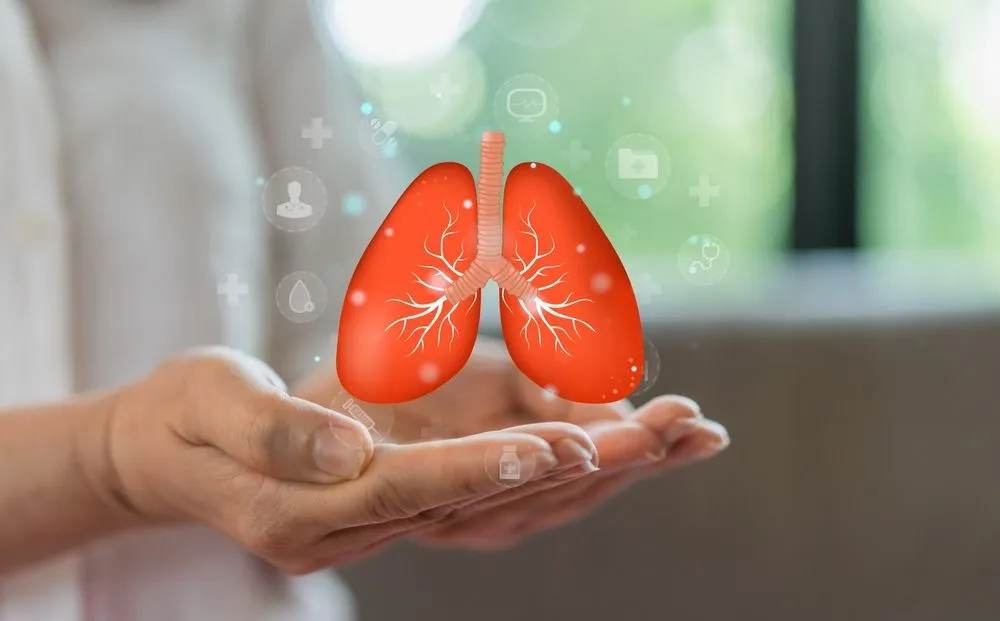
Our lungs work continuously from the moment we take our first breath, supplying oxygen to the body and removing carbon dioxide. Yet lung health is often overlooked until breathing problems appear. While some lung conditions cannot be prevented, everyday choices can play an important role in protecting the lungs and supporting healthy breathing throughout life.
One of the most important steps for lung health is avoiding tobacco smoke. Smoking is a major cause of lung disease and can damage the airways and lung tissue over time. Exposure to secondhand smoke can also be harmful, making smoke-free environments important for both smokers and non-smokers. People who smoke can benefit from seeking support to quit, as stopping smoking can improve health even after years of exposure.
Indoor and outdoor air quality also matter. Dust, smoke, chemical fumes, strong cleaning products and other airborne irritants can affect the respiratory system, particularly when exposure happens frequently. Keeping indoor spaces well ventilated, reducing unnecessary exposure to fumes and following safety instructions when using chemicals can help limit irritation.
Regular physical activity is another useful habit. Exercise makes the heart and muscles work more efficiently and encourages the body to use oxygen effectively. Activities such as walking, cycling, swimming and other forms of moderate exercise can support overall cardiovascular and respiratory fitness. People who are new to exercise or have an existing health condition should choose activities appropriate for their individual circumstances.
Good hygiene can also help reduce respiratory infections. Washing hands regularly, avoiding close contact with people who are sick and improving ventilation in crowded indoor spaces can reduce exposure to viruses and other infections that affect the respiratory system. Staying up to date with recommended vaccinations can provide additional protection against certain respiratory illnesses.
A healthy diet supports the body as a whole, including the systems involved in breathing. A varied diet containing vegetables, fruits, whole grains, protein sources and healthy fats provides nutrients needed for normal immune and bodily function. Rather than relying on a single food or supplement to “cleanse” the lungs, maintaining an overall balanced eating pattern is a more practical approach.
Sleep and stress management should not be ignored either. Poor sleep and prolonged stress can affect energy levels, immune function and overall wellbeing. Establishing a consistent sleep routine, making time for relaxation and staying physically active can contribute to better general health and may make it easier to maintain healthy daily habits.
Workplace safety is particularly important for people who regularly encounter dust, chemicals, smoke or other airborne substances. Appropriate protective equipment, adequate ventilation and following workplace safety procedures can help reduce occupational exposure. People who develop persistent breathing symptoms related to their work should discuss them with a healthcare professional.
It is also important to pay attention to changes in breathing. Persistent coughing, unexplained shortness of breath, wheezing, chest discomfort, coughing up blood or repeated respiratory infections should not simply be ignored. Such symptoms can have many possible causes, and a healthcare professional can determine whether further evaluation is necessary.
There is no single routine that guarantees perfect lung health. Instead, protecting the lungs is largely about reducing harmful exposures, staying physically active, maintaining good overall health and responding appropriately when symptoms appear.
The lungs may work quietly in the background, but they are essential to almost every part of daily life. Taking care of them through simple, consistent habits can help support comfortable breathing and better overall wellbeing for years to come.










+ There are no comments
Add yours