







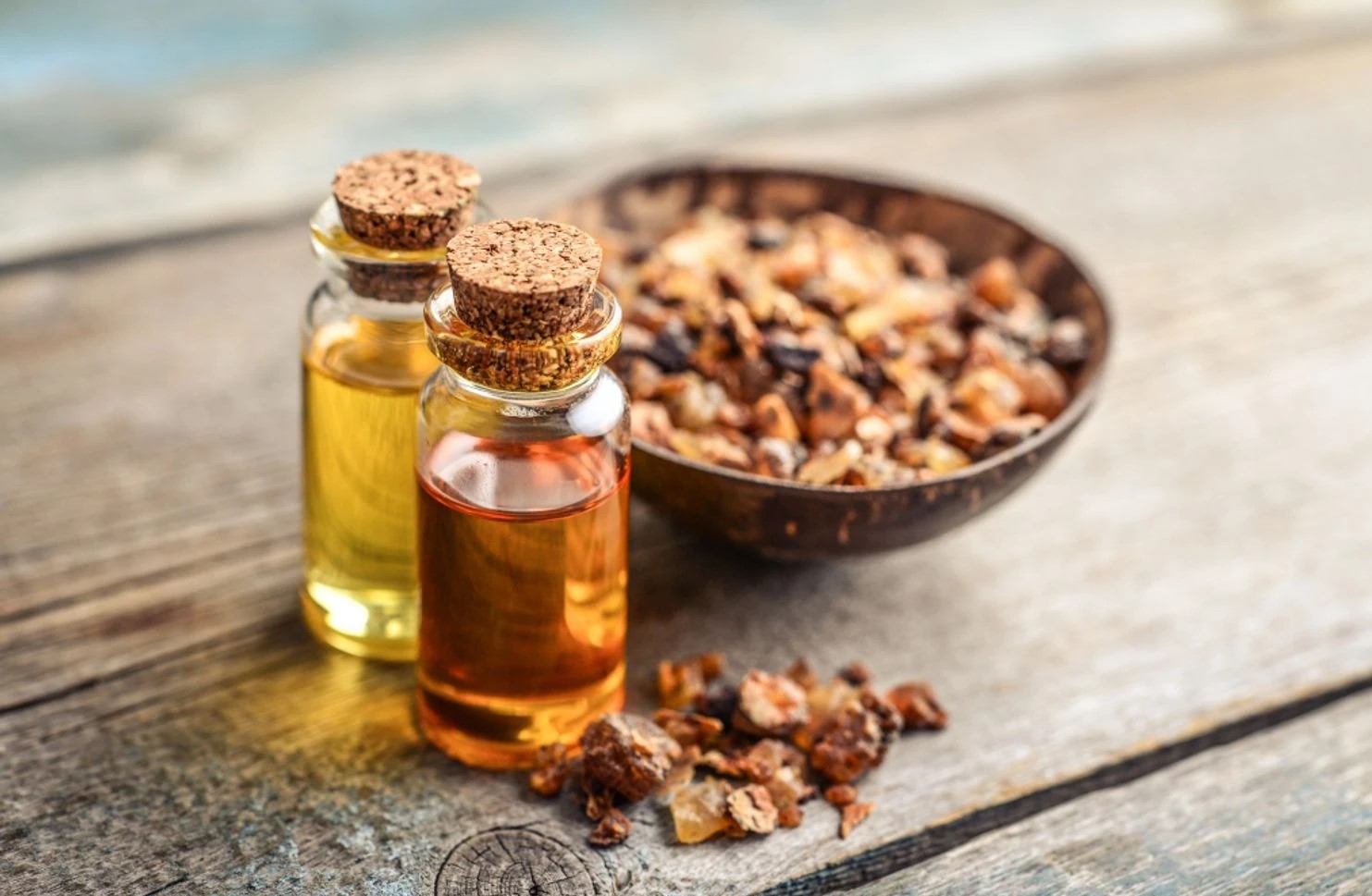
Severe drought conditions across parts of the Horn of Africa are threatening production of myrrh, a resin widely used in luxury perfumes, traditional medicines, and essential oils, raising concerns over both global supply chains and rural incomes.
The myrrh tree, which thrives in arid regions such as Somalia and eastern Ethiopia, is increasingly under stress due to prolonged dry spells and rising temperatures. Farmers and harvesters report declining yields, with some areas experiencing significant damage to trees that have historically supported local livelihoods.
Myrrh resin is a key export product in several rural communities, where it serves as a major source of income for pastoralist and farming households. Reduced production is expected to have a direct economic impact on these communities, many of whom already face heightened vulnerability due to climate variability.
Industry analysts warn that continued supply disruptions could also affect the global fragrance sector, where myrrh is valued as a premium ingredient used in high-end perfumes and specialty products. While the market impact remains limited for now, prolonged shortages could increase prices and pressure supply chains reliant on natural resins.
Environmental experts say the situation reflects a broader pattern of climate stress across semi-arid regions, where drought frequency and intensity are increasing. These conditions are placing long-term strain on vegetation, agriculture, and traditional harvesting systems.
Local communities, meanwhile, are calling for greater support, including drought resilience programs and investment in sustainable harvesting practices to protect both the trees and the livelihoods that depend on them.
As climate conditions remain unpredictable, concerns are growing that one of the region’s most valuable natural resources could face further decline without intervention.
The situation continues to develop as authorities and industry stakeholders assess the scale of the impact.











+ There are no comments
Add yours