





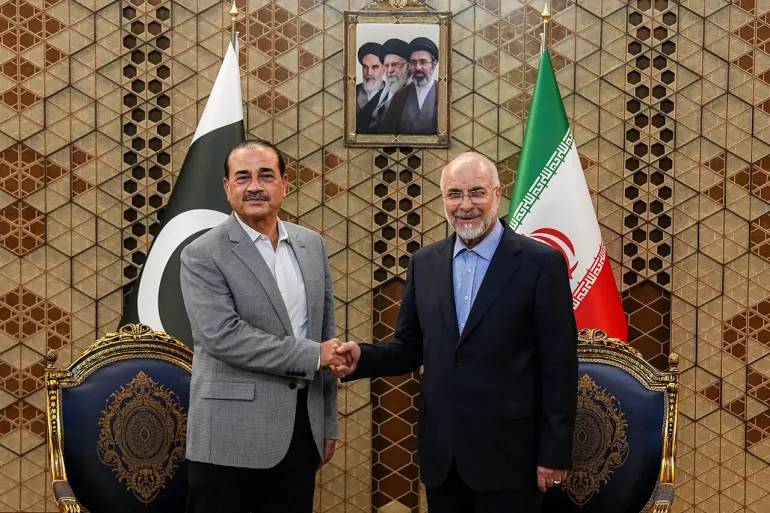
Pakistan’s army chief, Field Marshal Asim Munir, is returning to Tehran on Monday as Islamabad steps up efforts to ease the deepening confrontation between Iran and the United States. The visit comes at a critical moment, with Washington preparing tougher sanctions on Tehran and diplomatic efforts between the two sides showing little sign of breaking the deadlock.
Pakistan has increasingly positioned itself as a potential bridge between Washington and Tehran. Islamabad has maintained relations with both countries and has already hosted earlier diplomatic efforts aimed at finding a path towards de-escalation. Munir’s previous involvement has also given Pakistan a role in discussions surrounding the conflict.
The latest Tehran visit is expected to focus on regional developments, diplomatic efforts and proposals aimed at reducing tensions. Iranian officials have stressed that any solution must be based on what they describe as respect, justice and national sovereignty, while Washington continues to apply economic pressure in an attempt to force Tehran back to negotiations.
The timing is particularly significant. The United States is preparing what its officials have described as some of the toughest sanctions ever imposed on Iran, while Tehran has warned that countries supporting new US measures could face serious consequences. At the same time, disruption around the Strait of Hormuz has increased concerns over global energy supplies and the wider economic impact of the conflict.
But Pakistan’s ability to deliver a breakthrough remains uncertain. Analysts say Islamabad can provide a useful communication channel because of its relationships with Tehran, Washington and other regional powers. However, having access to both sides does not necessarily mean Pakistan can persuade either government to compromise on the most difficult issues.
For Pakistan, the stakes are also high. A prolonged US-Iran confrontation could destabilise its wider region, create economic pressures and complicate Islamabad’s relationships with Gulf states and Washington.
Munir’s return to Tehran therefore represents more than a diplomatic visit. It is a test of whether Pakistan can turn its position as a regional intermediary into meaningful influence. A breakthrough may still be difficult, but with tensions rising and direct US-Iran diplomacy stalled, Islamabad is betting that a trusted channel could help reopen the door to negotiations.




+ There are no comments
Add yours