








An eight-year-old girl from Ruston, Louisiana, has died after contracting a rare and usually fatal brain infection caused by the Naegleria fowleri amoeba. Health officials believe she most likely became infected while swimming in Lake Claiborne.
Lillian Smart died on Saturday, August 22, one day after celebrating her eighth birthday. Her family confirmed her death, saying the damage to her brain had become too severe for her to recover. Lillian had been hospitalized since August 15 while doctors worked to treat the infection.
The Louisiana Department of Health confirmed on August 19 that a state resident had contracted Naegleria fowleri. Officials said the infection was most likely acquired while the person was swimming in Lake Claiborne in Claiborne Parish. Although the health department did not publicly identify the patient, Lillian’s family and local reports later confirmed that she was the child who had become infected.
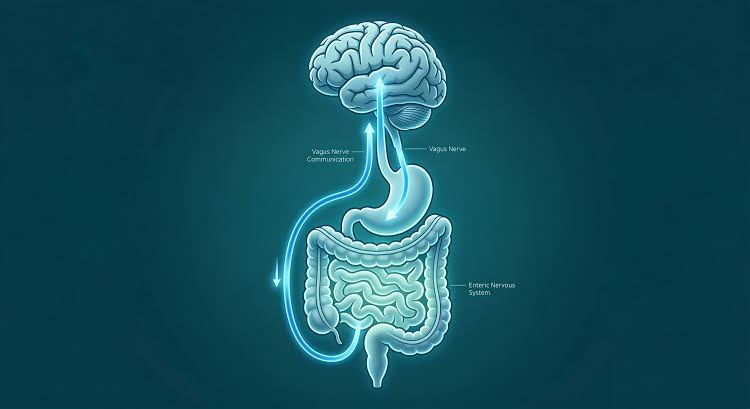
Naegleria fowleri is a microscopic amoeba commonly found in warm freshwater, including lakes, rivers and ponds. The infection occurs when contaminated water enters the nose, allowing the amoeba to travel to the brain and cause a rare disease known as primary amebic meningoencephalitis, or PAM.
The disease is extremely rare but progresses rapidly and is almost always fatal. According to US health data, 173 cases were documented in the United States between 1937 and 2025, with only four known survivors. Symptoms can begin with headache, fever, nausea and vomiting before progressing to more severe symptoms such as confusion, seizures, coma and death.
People cannot become infected by simply swallowing water containing the amoeba, and the infection does not spread from one person to another. Naegleria fowleri is also not found in saltwater or properly maintained and chlorinated swimming pools.
Health experts recommend taking precautions when swimming in warm freshwater, particularly during periods of extreme heat. Keeping the head above water, using a nose clip and avoiding activities that stir up sediment in shallow areas can reduce the risk of exposure.
Lillian’s death has deeply affected the Ruston community, which rallied around her family during her illness. Her case has also renewed attention to the rare but devastating risks associated with swimming in warm freshwater during the summer months.







+ There are no comments
Add yours