






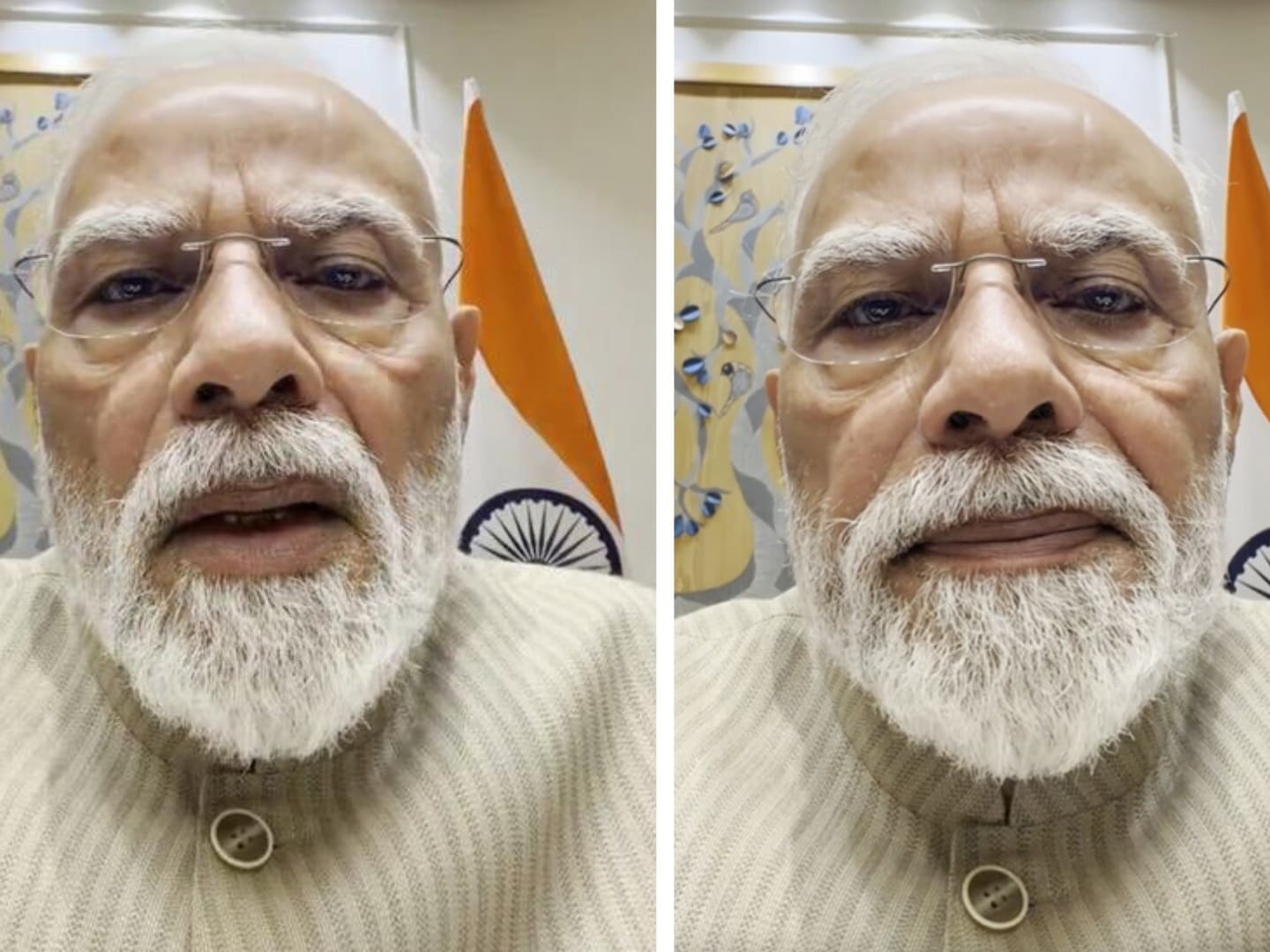
For more than a decade, Narendra Modi built a political image that was carefully controlled, highly recognizable and exceptionally powerful on social media. But in 2026, that digital advantage is facing an unexpected challenge: India’s Gen Z is no longer simply consuming political messaging. It is remixing, mocking and turning it into memes.
Modi was once widely seen as one of the politicians who understood social media better than his rivals. His carefully produced videos, speeches, photographs and direct online messages helped him bypass traditional media and communicate with millions of supporters. But the generation that grew up with Instagram, memes and short-form video operates by a very different set of rules.
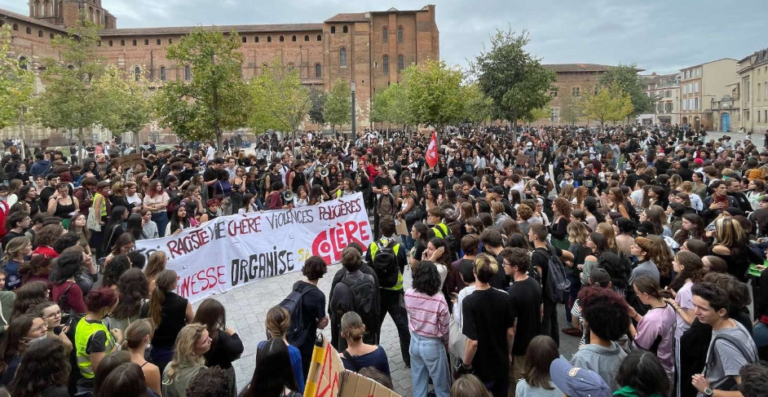
Recent youth protests have demonstrated just how dramatically the online environment has changed. Young protesters have used memes, parody videos, edited clips and AI-generated content to challenge Modi’s carefully constructed public image. Instead of treating political leaders with the formality associated with older generations, Gen Z has increasingly treated politics as material for satire and entertainment.
That shift has made Modi’s attempts to appear more casual online particularly interesting. His newer, more informal videos appear designed to create a sense of personal connection with younger Indians, but the strategy has also attracted scepticism. For a generation highly sensitive to anything that feels manufactured, simply adopting the language and visual style of social media may not be enough.
The problem is not necessarily that Modi cannot make a reel. It is that Gen Z wants authenticity rather than a politician performing authenticity.
The recent protests have exposed this gap. Young Indians have taken the same platforms that once strengthened Modi’s political communication and turned them into spaces for criticism. Satirical posts have spread rapidly, while protesters have used humour as a way of expressing anger and reducing the distance between themselves and political power.
The government now appears to recognise the challenge. Modi has directed greater outreach to Gen Z and Gen Alpha, including stronger social-media engagement by ministers and direct interaction with students at universities and schools.
But the bigger question is whether a political brand built around authority can successfully adapt to a generation that prefers irony, humour and spontaneity.
Modi may still command enormous political influence, but online, the rules have changed. The politician who once mastered India’s social-media conversation is discovering that Gen Z does not simply watch the content anymore.

+ There are no comments
Add yours