






Pakistan-administered Kashmir is heading into a crucial election under the shadow of political unrest, security crackdowns, and renewed controversy over the region’s disputed parliamentary seats. The vote, expected to shape the future political landscape of Azad Jammu and Kashmir (AJK), has become increasingly focused on 12 reserved constituencies representing refugees from Indian-administered Kashmir, raising fresh concerns about democratic representation and political influence.
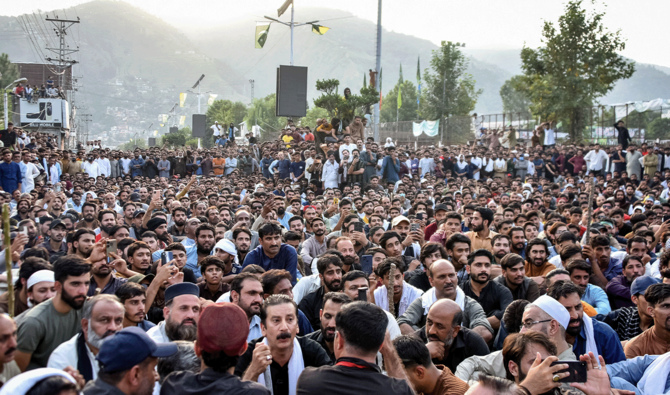
The election comes after weeks of unrest that have left dozens dead and many others injured in clashes between protesters and security forces. Demonstrations, road blockades, and sit-ins have disrupted daily life across the region since early June. Authorities imposed strict security measures, including temporary closures of banks and the suspension of mobile and internet services in several areas. Poonch division, one of the worst-affected regions, experienced severe shortages of essential supplies after transportation routes were restricted.
The protests were initially driven by demands for lower electricity prices and subsidized flour but later expanded into broader calls for government accountability and political reforms. The Jammu Kashmir Joint Awami Action Committee (JAAC), which organized many of the demonstrations, was banned by local authorities before a planned protest. Several of its leaders were arrested, while others reportedly continued coordinating activities from protest camps or remained in hiding.
At the center of the election debate are the 12 refugee seats, which are elected by refugees living in different parts of Pakistan rather than by residents within AJK. Critics argue that these constituencies can significantly influence the formation of the regional government despite representing voters outside the territory. Supporters, however, maintain that refugees displaced by the Kashmir conflict deserve political representation until the broader territorial dispute is resolved.
Political analysts believe the outcome of these disputed seats could determine which party forms the next government, making them one of the most closely watched aspects of the election. With ongoing protests, heightened security, and deep political divisions, the election has become more than a contest for power. It is also viewed as a test of democratic governance, public confidence, and the region’s ability to address long-standing questions surrounding representation, autonomy, and stability in one of South Asia’s most sensitive territories.




+ There are no comments
Add yours