





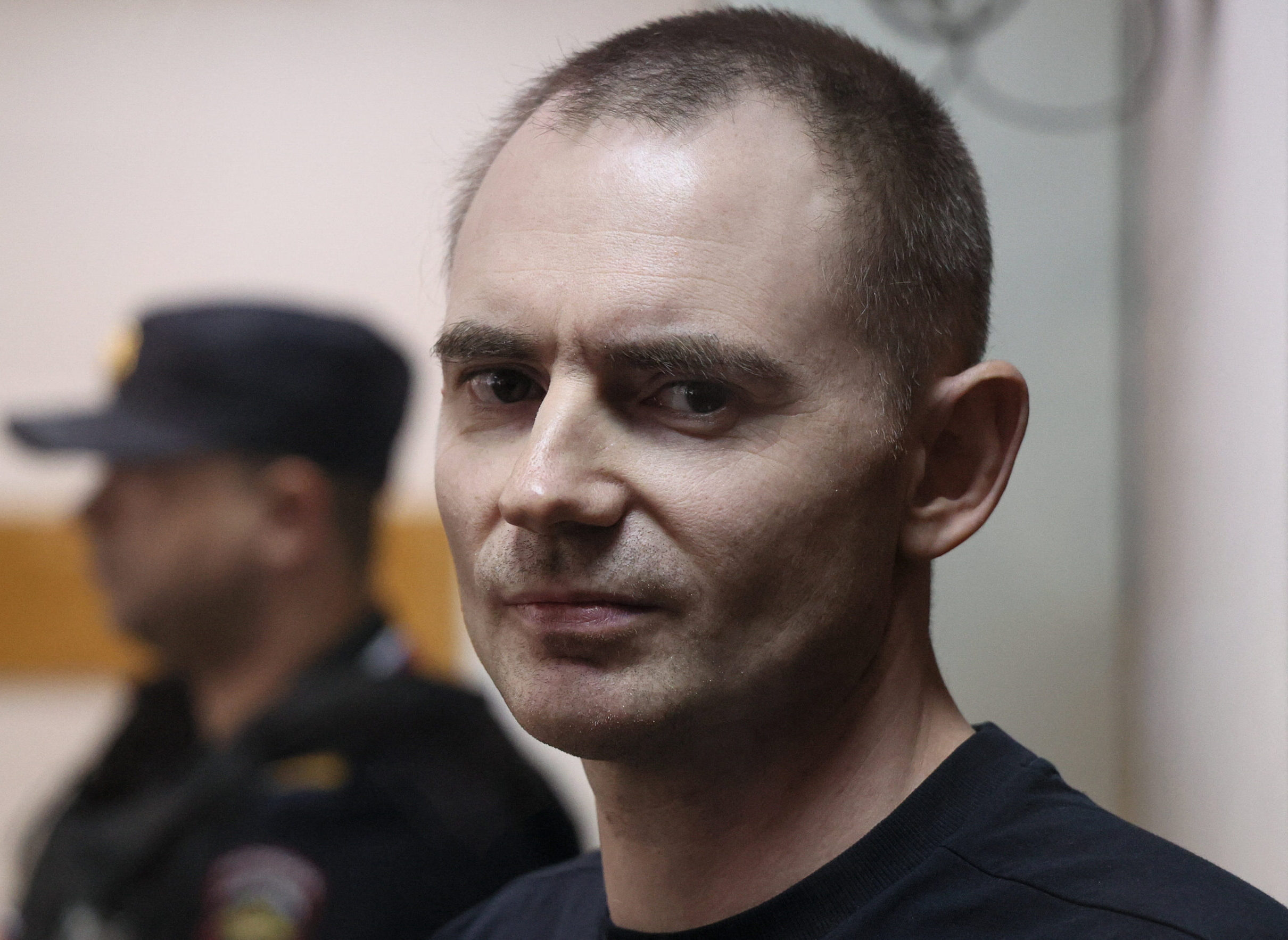
Russian opposition politician Maxim Kruglov has been sentenced to seven years in prison after being convicted over two social media posts concerning the war in Ukraine, a ruling that has drawn renewed attention to the state of political dissent in Russia.
Kruglov, the deputy leader of the liberal Yabloko party, was found guilty by a Russian court over content he published on the messaging platform Telegram in 2022. Prosecutors argued that the posts violated laws governing public statements about Russia’s military actions in Ukraine.
The opposition politician has strongly denied the charges and criticized the verdict, describing the case as an attempt to silence dissenting voices. Speaking through his legal team, Kruglov said the prosecution was not about the content of the posts but about punishing political opposition and discouraging criticism of government policy.
The sentence marks one of the latest cases involving Russian politicians, activists, and journalists who have faced legal action since the start of the conflict in Ukraine. Authorities have defended such measures as necessary to combat what they describe as false information and threats to national security.
Supporters of Kruglov and members of the Yabloko party condemned the ruling, calling it politically motivated. They argued that citizens should be free to express their views on public issues, including the war, without fear of criminal prosecution.
Human rights organizations and international observers have repeatedly raised concerns about restrictions on freedom of expression in Russia. Critics say laws introduced in recent years have significantly narrowed the space for public debate and independent political activity.
Kruglov’s conviction is expected to intensify discussions over the treatment of opposition figures in the country. Analysts note that the case reflects the continuing tensions between the Russian government and groups advocating greater political openness and civil liberties.
Despite the prison sentence, Kruglov’s supporters vowed to continue campaigning for his release and for broader protections for political expression. The case is likely to remain a focal point in debates over free speech and opposition politics in Russia as the war in Ukraine continues.


+ There are no comments
Add yours