



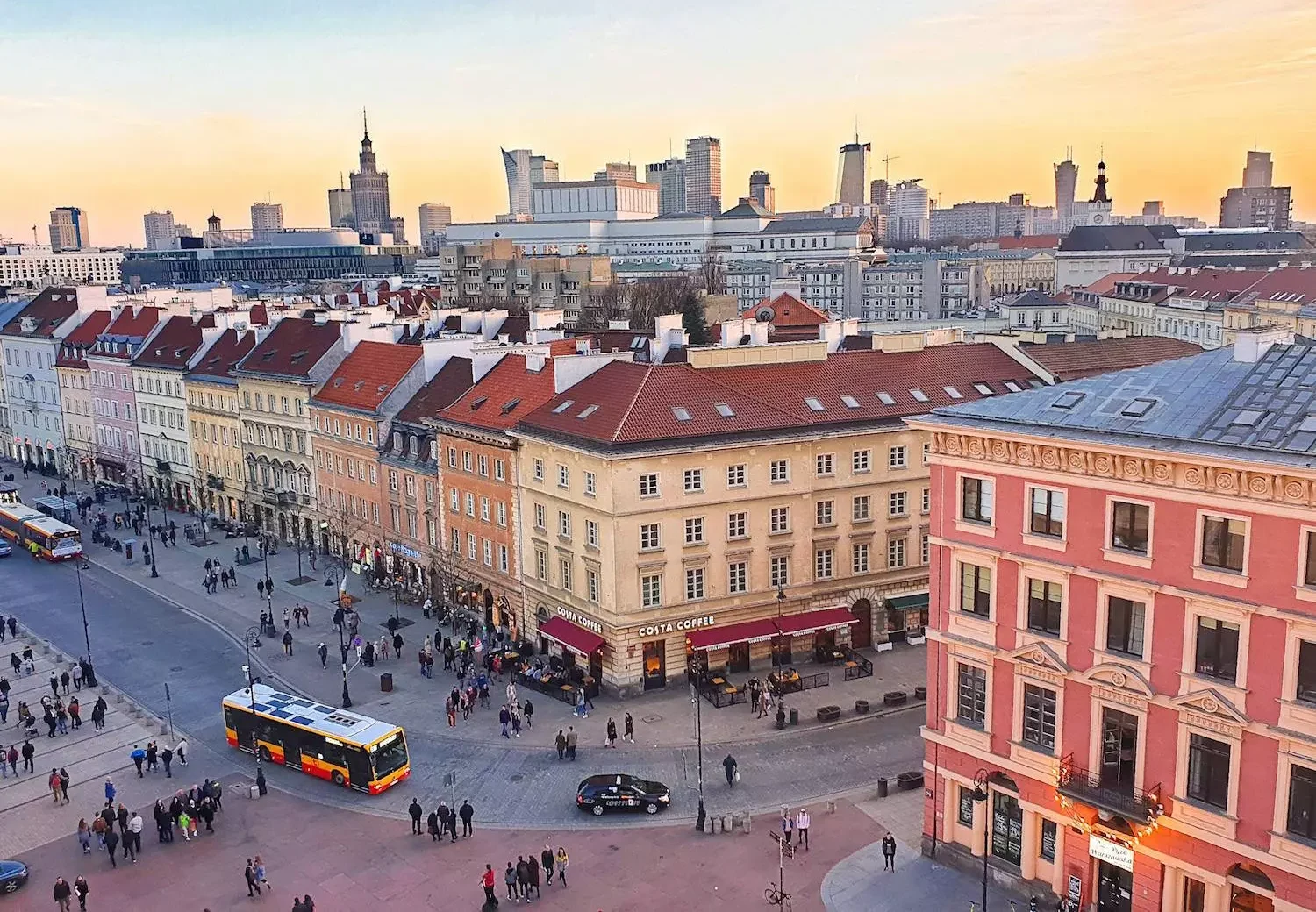
Warsaw is rapidly gaining recognition as one of Europe’s most dynamic and unexpectedly compelling travel destinations for 2026, as the Polish capital undergoes a visible transformation driven by culture, creativity, and urban renewal. Once overshadowed by Western Europe’s more established capitals, the city is now drawing attention for its unique blend of historical depth and modern energy, positioning itself as a rising favourite among international travellers.
The city’s appeal lies in its striking contrast between past and present. Carefully reconstructed after World War II, Warsaw has evolved into a symbol of resilience, where restored historic districts sit alongside sleek skyscrapers and contemporary developments. This layered identity gives visitors a rare sense of walking through both history and reinvention at the same time.
In recent years, Warsaw’s cultural and social landscape has expanded significantly. The city has seen a surge in independent cafés, innovative restaurants, and creative spaces that reflect a younger, more experimental urban identity. Its food scene, in particular, is experiencing rapid growth, blending traditional Polish flavours with global influences and modern culinary techniques. This evolution has helped position Warsaw as an emerging destination for food-focused tourism.
The Vistula River waterfront has also become a central part of the city’s lifestyle appeal, especially during the summer months. Riverside areas now host outdoor events, music gatherings, food trucks, and informal social spaces that attract both locals and visitors. These vibrant seasonal scenes contribute to Warsaw’s growing reputation as a lively yet accessible European capital.
Tourism analysts note that one of Warsaw’s strongest advantages is its affordability compared to other major European cities. Travellers are increasingly discovering that the city offers high-quality experiences—from accommodation to dining and entertainment—at significantly lower costs than destinations such as Paris, Berlin, or Amsterdam. This balance of value and quality is a key factor driving its rising popularity.
At the same time, Warsaw is investing in its cultural infrastructure, with museums, galleries, and design spaces expanding across the city. Contemporary art exhibitions, public installations, and cultural festivals are becoming more frequent, reinforcing its image as a creative hub in Central Europe.
As 2026 approaches, Warsaw’s momentum shows no signs of slowing. Its combination of history, innovation, affordability, and evolving cultural identity is reshaping perceptions of the city, turning it into one of Europe’s most intriguing destinations for travellers seeking something beyond the traditional tourist trail.


+ There are no comments
Add yours