






Iran has laid out a series of sweeping conditions for reopening the Strait of Hormuz, one of the world’s most strategically important shipping routes, as negotiations continue over the future of the waterway amid heightened regional tensions.
Iran is demanding that the United States end what Tehran describes as a naval blockade of the strait, withdraw its military forces from the area, lift sanctions imposed on Iran, release Iranian assets frozen abroad and provide compensation for damage caused by the conflict. The demands underline the significant gap between the two sides as diplomatic efforts seek to prevent further disruption to commercial shipping and energy supplies.
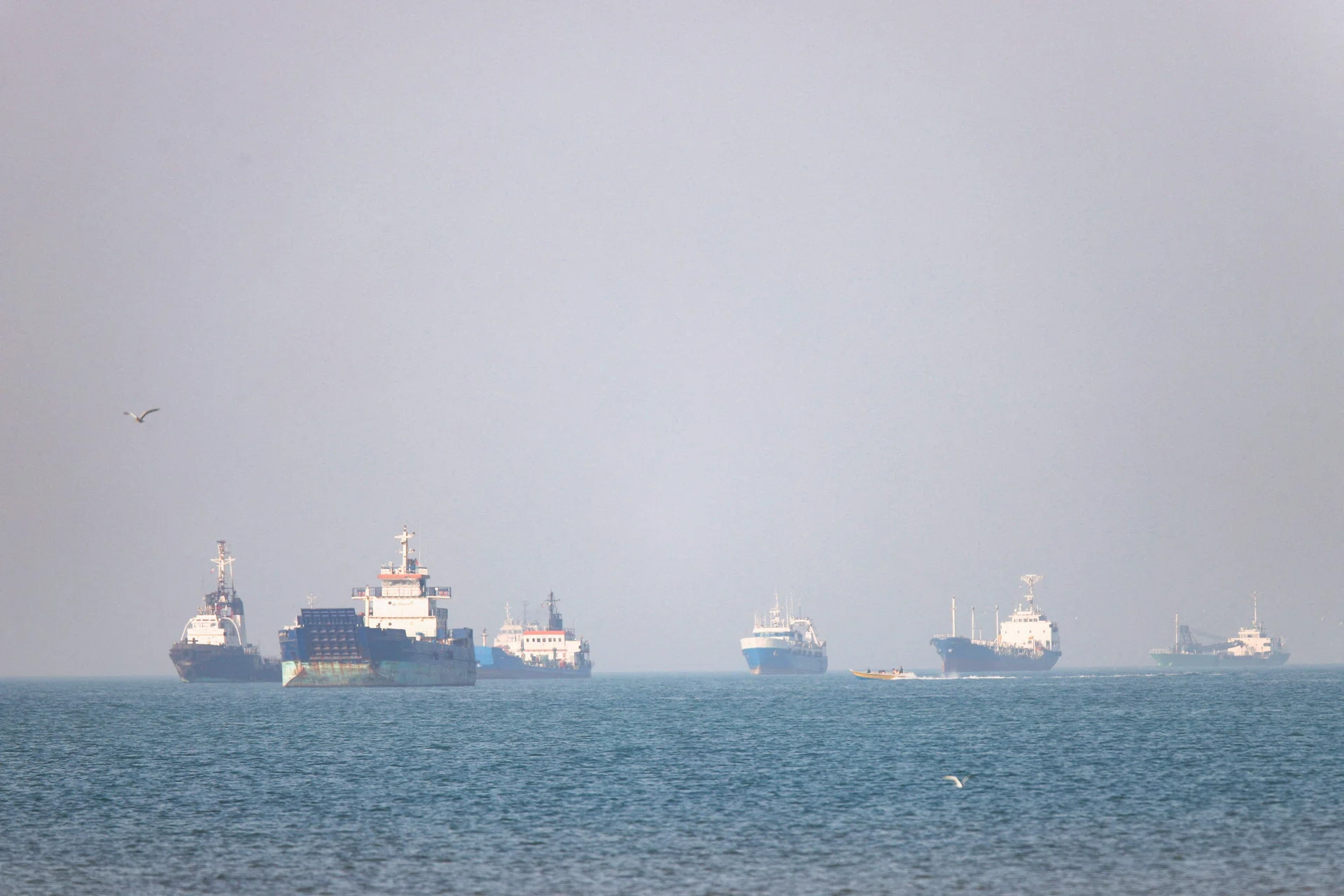
The Strait of Hormuz, which connects the Persian Gulf with the Gulf of Oman, is a crucial passage for global energy markets. Large volumes of crude oil, refined petroleum products and liquefied natural gas move through the waterway every day, making any prolonged disruption a major concern for oil-importing countries and international markets.
Talks concerning the strategic waterway are continuing, but officials have yet to reach a final agreement. The negotiations come as military activity and tensions in the region have raised concerns about the safety of vessels transiting the strait.
The latest escalation came after the United Arab Emirates said an Iranian missile targeted an oil vessel linked to state-owned Abu Dhabi National Oil Company, or Adnoc, while the vessel was sailing through the Strait of Hormuz. No casualties were reported in the incident, but the reported attack has added to concerns over the security of commercial shipping in the area.
The incident could further complicate diplomatic efforts, particularly as governments and shipping companies closely monitor developments in and around the waterway. Any attack on commercial vessels risks increasing insurance costs, disrupting shipping schedules and placing additional pressure on global energy markets.
Iran’s demands also suggest that Tehran is seeking broader political and economic concessions rather than a narrowly focused arrangement concerning maritime access. The call for sanctions relief, the release of frozen assets and compensation for war-related damage could make negotiations significantly more difficult.
For now, the Strait of Hormuz remains at the center of an increasingly tense diplomatic and security situation. With no final agreement reached, international attention is focused on the ongoing talks and whether the parties can establish conditions that would allow commercial shipping to move safely and freely through one of the world’s most vital energy corridors.




+ There are no comments
Add yours