






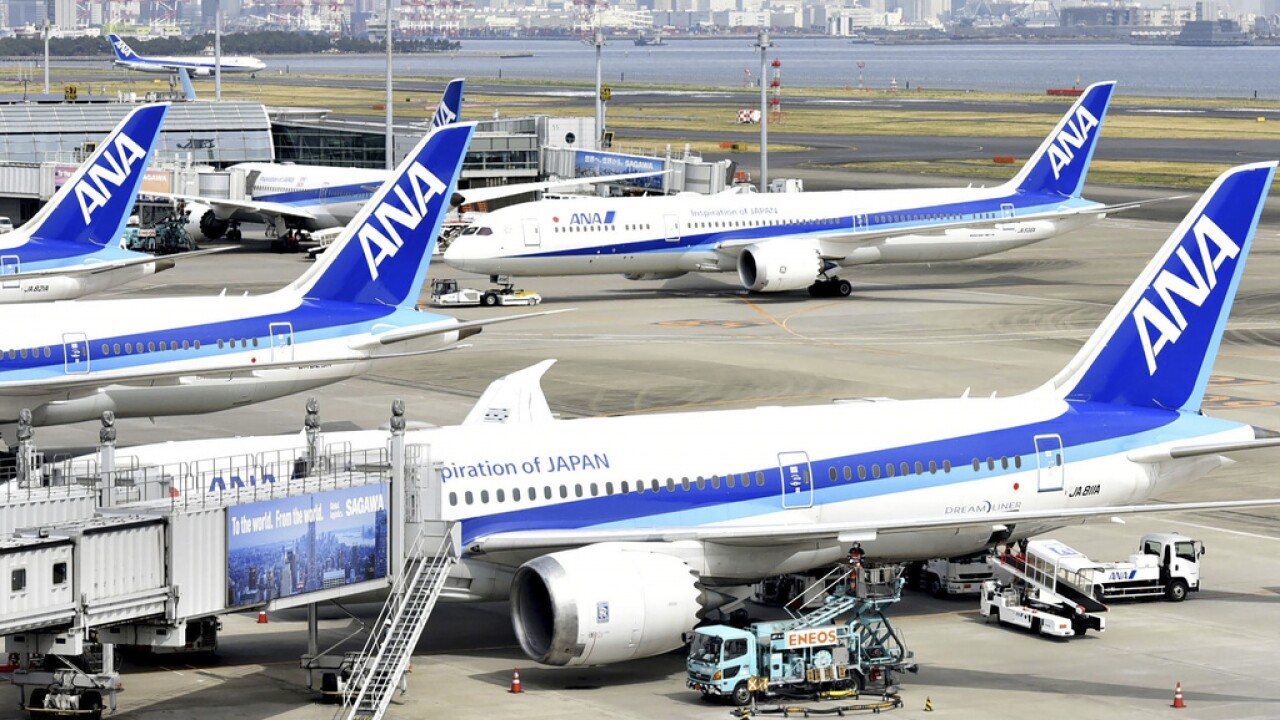
An All Nippon Airways (ANA) passenger flight from Shanghai carried out an evasive maneuver while approaching Tokyo’s Haneda Airport early Tuesday after its onboard collision avoidance system detected a potential conflict with another aircraft.
The incident involved ANA Flight NH968, which was nearing its destination at around 6 a.m. local time when the aircraft’s Traffic Collision Avoidance System (TCAS) was activated. The automated safety system alerted the flight crew to the presence of another aircraft in close proximity and issued instructions to prevent a possible mid-air conflict.
In response to the warning, the pilots immediately followed the system’s guidance and climbed to a higher altitude, successfully increasing the separation between the two aircraft. The maneuver was carried out in accordance with internationally recognized aviation safety procedures designed to reduce the risk of collisions in busy airspace.
ANA confirmed that the flight landed safely at Haneda Airport after the precautionary maneuver. The airline did not report any injuries among passengers or crew, and there was no indication of damage to the aircraft.
Collision avoidance systems such as TCAS are installed on modern commercial aircraft to continuously monitor nearby air traffic. When another aircraft is detected within a potentially unsafe distance, the system provides pilots with real-time instructions, including climbing or descending, to maintain safe separation. Flight crews are trained to respond immediately to these alerts, even if the instructions differ from those provided by air traffic controllers.
Haneda Airport is one of the world’s busiest airports, handling a large number of domestic and international flights each day. Aircraft operating in and around the airport follow carefully coordinated procedures to ensure the safe movement of air traffic, particularly during peak operating hours.
Authorities are expected to review the circumstances surrounding the incident to determine what triggered the collision avoidance alert and whether any additional safety measures are required. Such reviews are standard practice following TCAS activations and are aimed at improving operational safety rather than indicating that a collision was imminent.
The incident highlights the critical role of advanced aviation safety technology and the importance of strict pilot adherence to automated safety instructions, which help ensure the safe operation of commercial flights even in congested airspace.










+ There are no comments
Add yours