




The world is entering a period in which political leadership is being tested not only by domestic challenges, but by wars, economic uncertainty, technological competition and an increasingly divided international system. From Washington and Moscow to Kyiv and Beijing, decisions made by a small group of powerful leaders are having consequences far beyond their own borders.
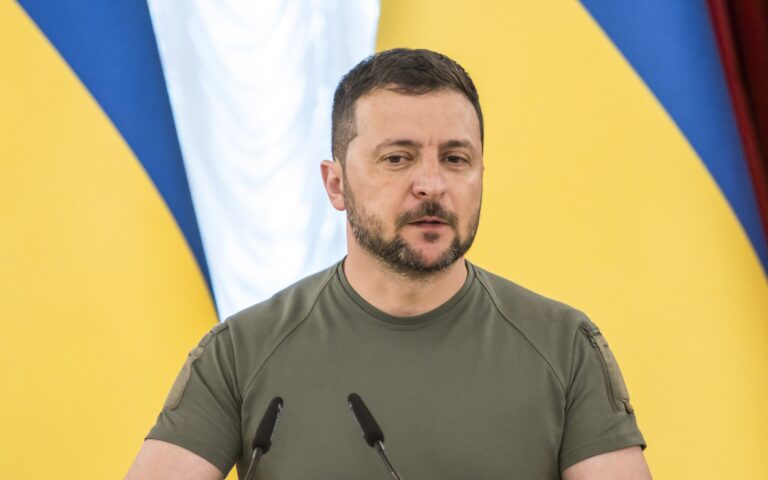
The Russia-Ukraine war remains one of the clearest examples of how leadership can shape the direction of global politics. Ukrainian President Volodymyr Zelensky continues to face the difficult task of defending his country while keeping international support intact. At the same time, US President Donald Trump has sought to position Washington as a central force in efforts to influence the future of the conflict, including contacts involving Russian President Vladimir Putin and Zelensky.
The challenge for leaders is no longer simply winning a military or political confrontation. They must also convince their populations, maintain alliances and negotiate from positions of strength without closing the door to diplomacy. Recent developments surrounding Ukraine illustrate how complicated that balance has become.
Meanwhile, China is increasingly presenting itself as a major alternative centre of global influence. President Xi Jinping has promoted China’s ambitions in artificial intelligence and called for greater international cooperation around the technology, signalling that the competition between major powers is expanding beyond traditional military and economic influence.
This changing environment is creating a new definition of political leadership. Strong leadership today requires the ability to manage crises while thinking beyond national borders. Decisions about energy, technology, trade, defence and artificial intelligence are becoming interconnected with geopolitics.
The biggest question is whether the world’s leaders can compete without allowing rivalry to become permanent confrontation. A fragmented global order may give powerful countries greater freedom to pursue their interests, but it can also make international crises harder to control.
The coming years may therefore be remembered not simply for the conflicts taking place, but for the leadership choices made during them. The leaders who shape this era will be judged not only by how much power they accumulate, but by whether they can use that power to prevent an increasingly divided world from becoming an even more dangerous one.



+ There are no comments
Add yours