





South of Syracuse, where concrete ambitions once threatened to consume the coastline, a stretch of Sicilian wetland has instead been preserved as a quiet refuge for migratory birds and an unexpected escape for those who stumble upon it.
The area, part of the Vendicari nature reserve, was once under pressure from development, with plans that risked replacing its fragile ecosystem with infrastructure and tourism expansion. Instead, conservation efforts prevailed, leaving behind an unspoilt landscape of marshes, lemon groves and saltwater lagoons that now attract thousands of birds each year as they travel across continents.
For visitors, the experience of arriving is often shaped by contrast and confusion. What might first sound like distant traffic or industrial noise reveals itself, on closer listening, to be the layered sounds of nature: waves breaking along the coast, frogs calling in rhythm from the wetlands, and the unmistakable presence of migratory birds filling the air.
One such encounter came during a stay at a modest rural property near the reserve, a place described as simple and disconnected, without modern amenities and surrounded by rough farmland. What initially seemed bleak—crumbling stone structures, overgrown courtyards and the remnants of older agricultural life gradually revealed a different kind of richness.
The landscape, known locally as a baglio, reflects a traditional Sicilian farmstead design built around a central courtyard. Historically, these fortified structures were not only centres of agricultural production but also places of defence, as isolated rural communities once faced threats from roaming armed groups. Today, many of these buildings stand in partial ruin, reclaimed by wildflowers, birds and wind.
In one such setting, the soundscape of the wetland becomes almost surreal. Calls that might be mistaken for mechanical noise or distant activity resolve into natural rhythms the croak of frogs blending with the calls of flamingos feeding in shallow waters. Even the wind through broken stone and collapsed roofs seems to carry its own layered voice, shaped by time and decay.
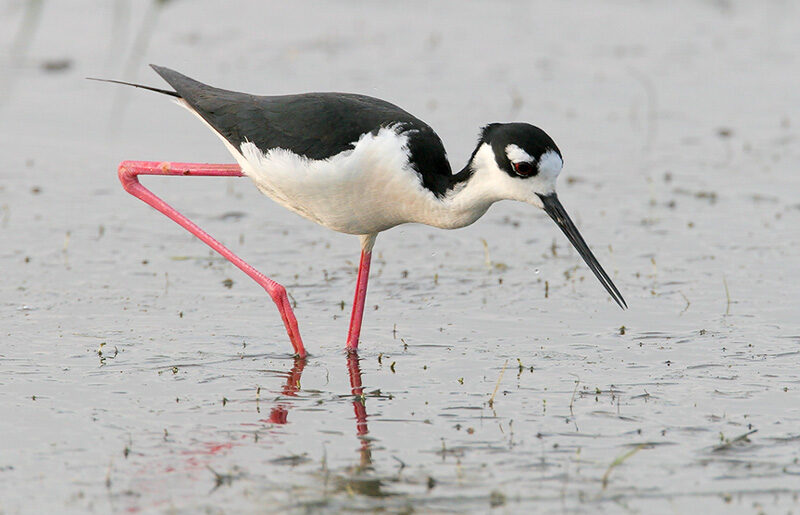
At the heart of the Vendicari reserve, however, the dominant presence is not ruin but renewal. Flamingos, herons and other migratory species depend on these wetlands as critical stopover points along long journeys between Africa and Europe. The preservation of the habitat has turned what might have become another stretch of developed coastline into a living corridor of biodiversity.
For those who visit, the reserve offers more than scenery. It provides a reminder of what is lost when fragile environments are sacrificed to construction and what can be regained when they are protected instead. In a world increasingly shaped by noise and expansion, this quiet corner of Sicily remains defined by something rarer: space, stillness and the persistent movement of life across continents.







+ There are no comments
Add yours