






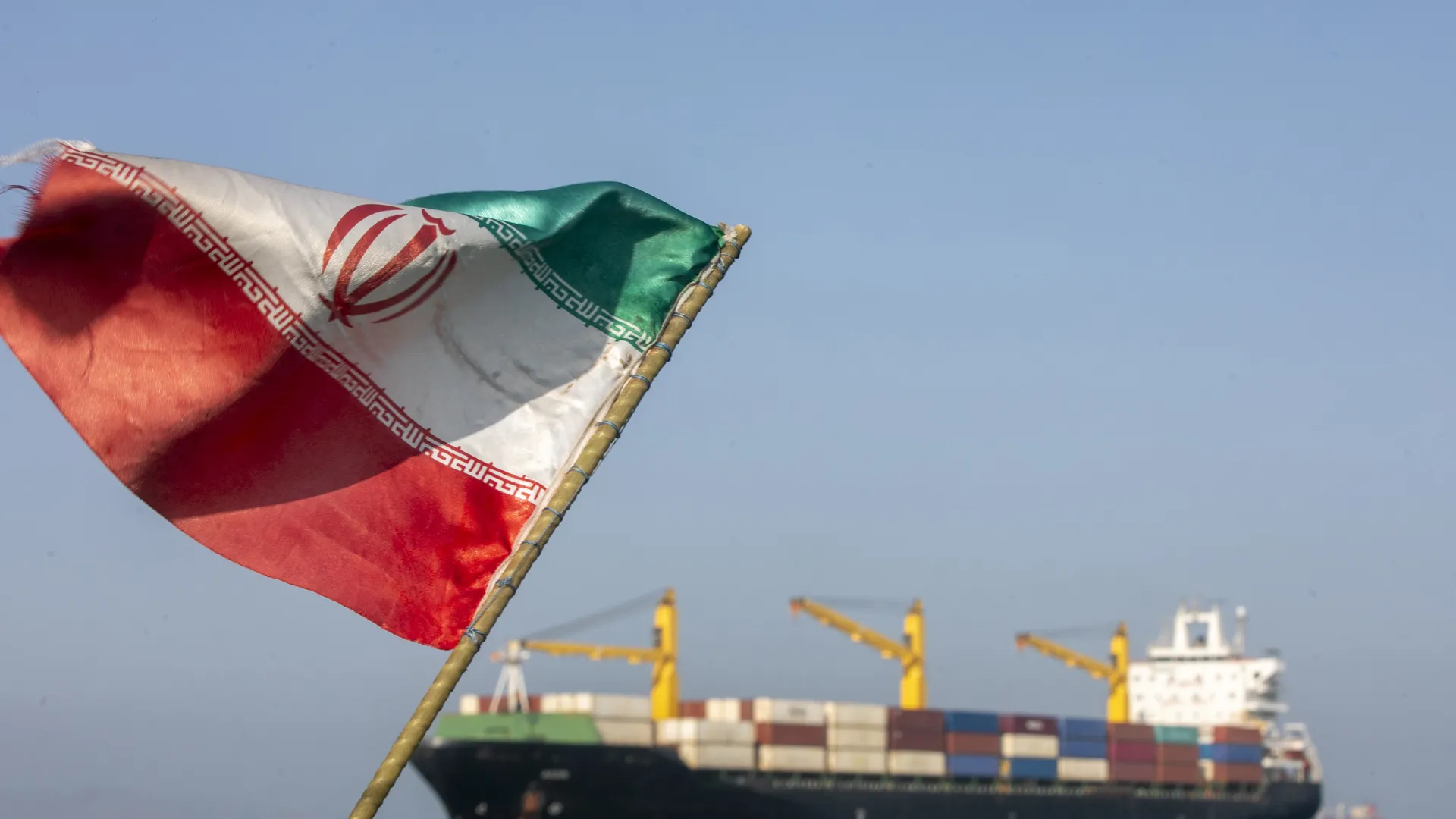
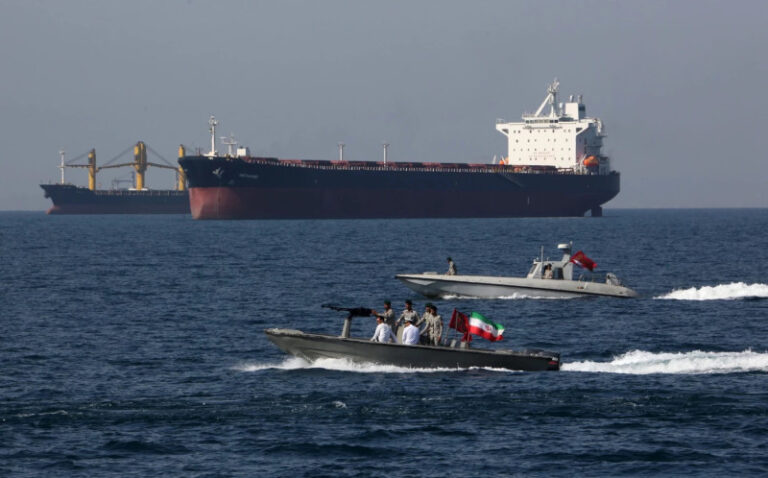
In a major diplomatic breakthrough with far-reaching implications for global security and energy markets, the United States and Iran on Monday announced a framework agreement aimed at easing regional tensions and restoring safe navigation through the Strait of Hormuz, one of the world’s most critical maritime chokepoints.
The agreement, reached after months of intensive negotiations mediated by regional partners, establishes a roadmap for de-escalation between the longtime adversaries and includes commitments to prevent military confrontations, enhance maritime security, and reopen shipping lanes through the strategically vital waterway.
Senior officials from both countries described the accord as a historic step toward stability in the Middle East. While the framework does not resolve all outstanding disputes, it creates a foundation for broader talks on regional security, economic cooperation, and confidence-building measures.
“The era of escalation must give way to diplomacy and mutual respect,” a joint statement issued following the talks said. Negotiators confirmed that technical teams will begin work immediately on implementation mechanisms and verification procedures.
The reopening of the Strait of Hormuz is expected to provide significant relief to global energy markets. Roughly one-fifth of the world’s oil shipments pass through the narrow corridor linking the Persian Gulf to international waters. Concerns over disruptions in the waterway have repeatedly triggered volatility in oil prices and heightened fears of wider regional conflict.
Global markets reacted positively to the announcement, with energy prices falling and major stock indices advancing as investors welcomed the prospect of reduced geopolitical risk. Shipping companies and energy producers also expressed optimism that the agreement would improve stability across key trade routes.
Regional governments, the United Nations, and major world powers welcomed the development, calling it a rare diplomatic success in a region marked by years of conflict and mistrust. Analysts cautioned, however, that the long-term success of the framework will depend on sustained political commitment and the effective implementation of agreed measures.
Even so, the accord represents one of the most significant diplomatic achievements between Washington and Tehran in decades, raising hopes that dialogue can replace confrontation and usher in a new chapter of regional stability.
Further negotiations are expected in the coming weeks as both sides work to transform the framework into a comprehensive and binding agreement.








+ There are no comments
Add yours