







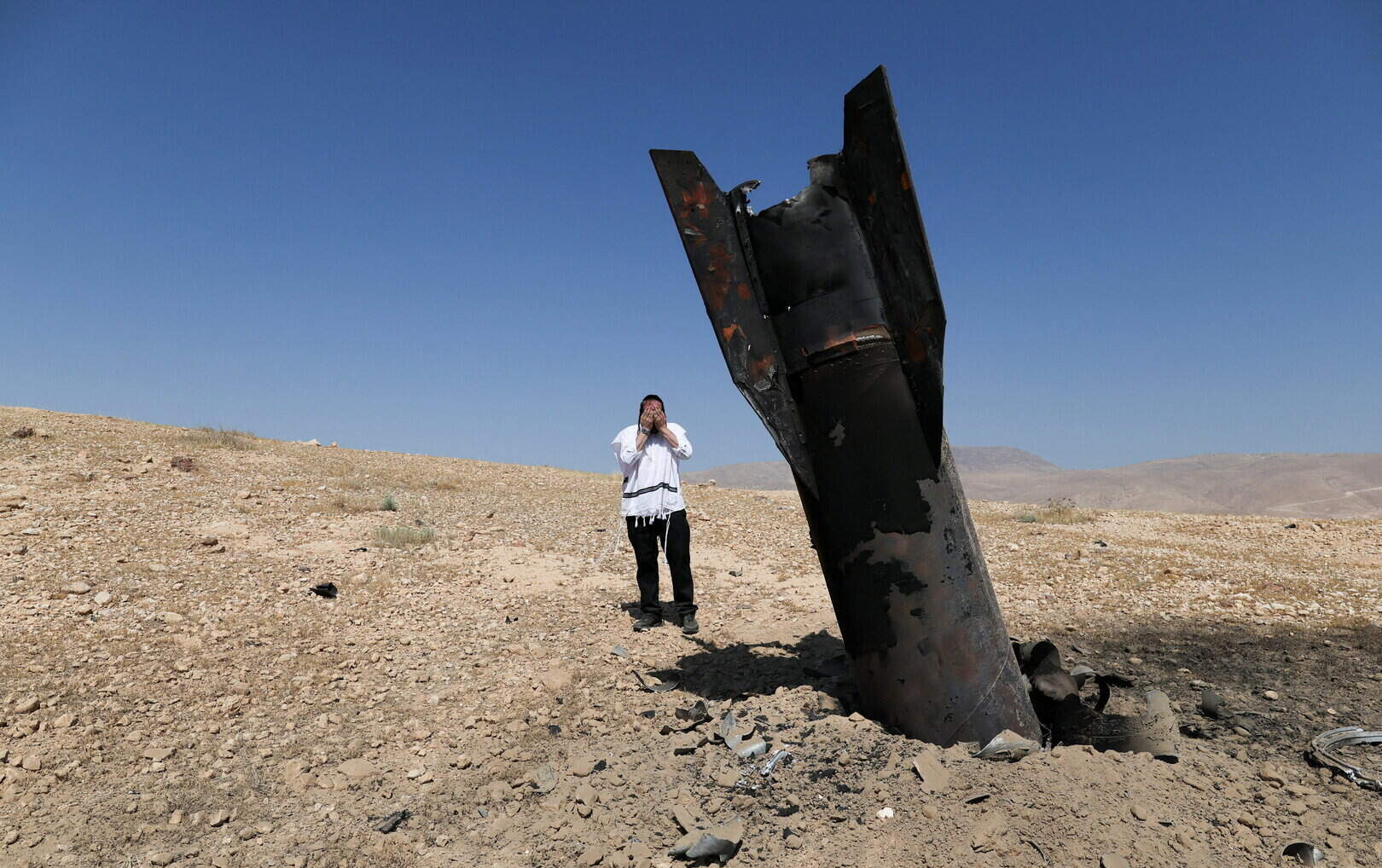
Tensions between the United States and Iran intensified for a second consecutive day as both countries exchanged military strikes across the Middle East, raising fears that the fragile ceasefire agreed in April may be on the verge of collapse.
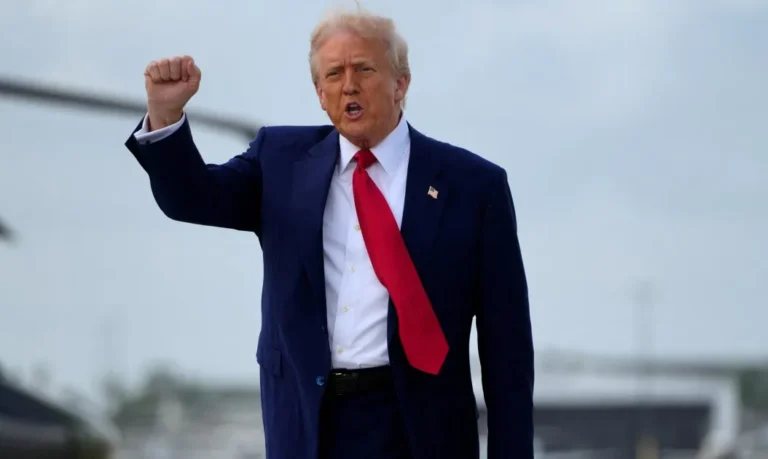
The latest escalation began after US Central Command (Centcom) announced it had carried out a series of what it described as “self-defense strikes” targeting military installations, surveillance facilities, and radar sites in southern Iran. The operation came just hours after US President Donald Trump warned that American forces would strike Iran “hard,” accusing Tehran of taking too long to reach a permanent agreement to end hostilities.
Iran responded swiftly with a fresh wave of attacks targeting US military assets across the region. According to Iranian state media, the Islamic Revolutionary Guard Corps (IRGC) launched ballistic missiles at a US command center in Jordan while also targeting military bases in Bahrain and Kuwait for a second day in a row.
Authorities in Bahrain confirmed that air raid sirens were activated overnight as a precautionary measure. In Kuwait, the Army said its air defense systems successfully intercepted hostile aerial targets. The Kuwaiti government also temporarily closed the country’s airspace amid growing security concerns.
The renewed exchanges have heightened anxiety across the Gulf region, where governments are closely monitoring the situation amid fears of a wider conflict. Regional leaders have repeatedly called for restraint, warning that continued military action could threaten stability and disrupt global energy markets.
Adding to concerns, the IRGC claimed it had struck two oil tankers transiting the strategically important Strait of Hormuz, one of the world’s busiest shipping routes. However, there was no immediate independent confirmation of the reported attack.
The latest violence underscores the fragile nature of the April ceasefire, which had briefly eased months of confrontation between Washington and Tehran. With military operations continuing on both sides and diplomatic efforts appearing stalled, fears are growing that the conflict could enter a more dangerous and unpredictable phase in the days ahead.







+ There are no comments
Add yours