






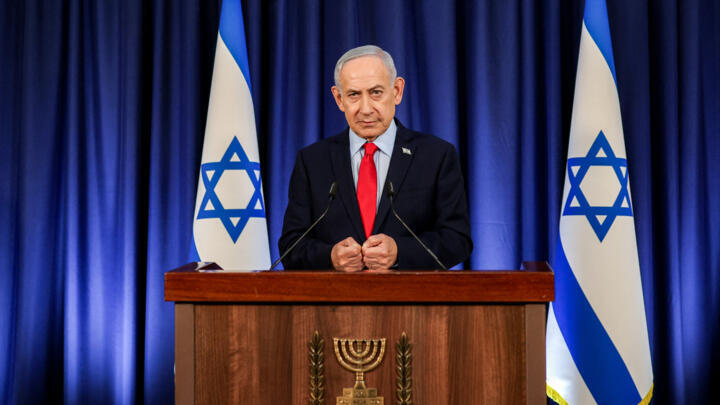
Benjamin Netanyahu has declared that the ongoing war against Iran is “beyond the halfway point,” signaling confidence in military progress even as tensions escalate across the region.
Speaking publicly, Netanyahu said the campaign has already achieved significant operational objectives, including targeting key Iranian military installations and weakening Tehran’s strategic capabilities. He emphasized that success would be measured by the completion of these goals rather than a strict timeline, highlighting Israel’s focus on long-term strategic outcomes.
At the same time, Donald Trump has renewed aggressive warnings toward Tehran, threatening strikes on Iran’s critical energy infrastructure if a resolution is not reached. Trump specifically cited oil facilities, power systems, and export hubs as potential targets, raising fears of a broader escalation that could ripple across the Middle East and beyond.
The combination of Israel’s military confidence and U.S. pressure has created a tense moment in global politics. Experts warn that the threat to Iran’s energy facilities could significantly disrupt global oil markets, with implications for fuel prices and economic stability worldwide. Analysts also caution that escalation could draw in neighboring countries and expand the conflict beyond its current scope.
Iran has rejected U.S. demands and maintains its military responses in the region, signaling no immediate willingness to negotiate. Meanwhile, international observers are calling for restraint, warning that any direct strikes on critical infrastructure could have humanitarian consequences and provoke retaliation that may spiral out of control.
The unfolding situation has already contributed to volatility in global markets, with shipping routes and energy supplies under close scrutiny. The conflict has underscored the fragile balance of power in the Middle East and the potential for local disputes to have global repercussions.
As both political and military leaders assert their positions, the coming days will likely be decisive. The world is watching closely to see whether diplomacy can take hold or if the crisis will deepen into a prolonged and destabilizing confrontation. With stakes so high, the decisions made in the next critical hours could determine the trajectory of not only the regional conflict but also global stability.




+ There are no comments
Add yours