







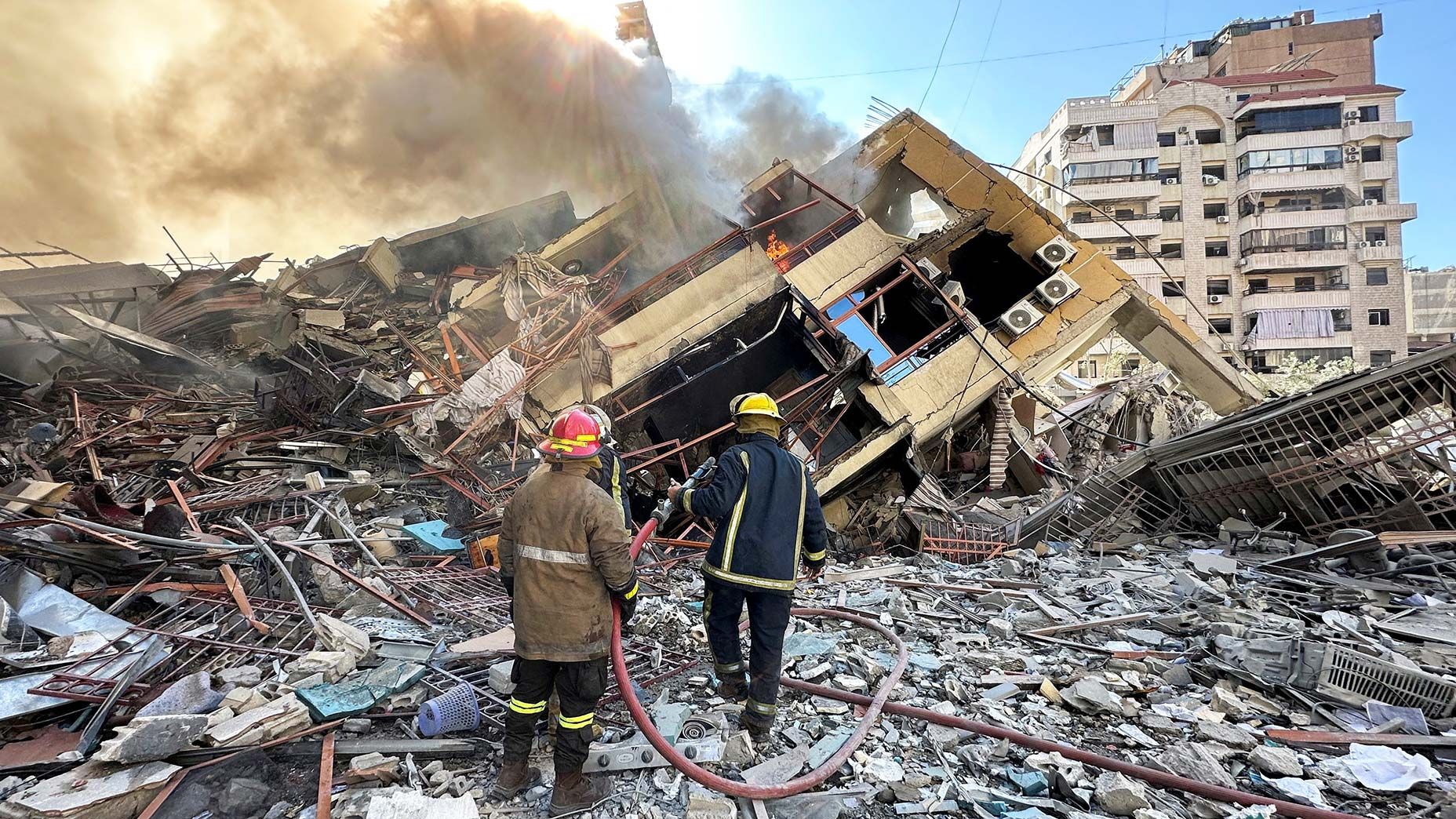
The Middle East conflict escalated sharply on Saturday as the Israeli military carried out a new wave of airstrikes targeting Hezbollah positions in Beirut, Lebanon, and Iranian-backed sites across the region. The attacks represent a significant intensification of hostilities that have continued for over three weeks.
Israeli officials reported that the strikes focused on strategic Hezbollah strongholds in southern Beirut, after issuing evacuation warnings to residents in affected areas. The military said the operations aimed to degrade the operational capabilities of Hezbollah, which has been firing rockets and drones into northern Israel since the conflict expanded earlier this month.
Hezbollah, a Lebanon-based militant group backed by Iran, stated that its actions were defensive and intended to protect Lebanese territory from Israeli aggression. The group has continued to engage in cross-border attacks, escalating tensions along the Israel-Lebanon border.
The humanitarian impact has been severe. Lebanese authorities report that over 1,000 civilians have been killed and more than one million people displaced as airstrikes and rocket attacks have intensified. Hospitals and emergency services in Beirut are under immense strain, and aid organizations have warned of an urgent need for humanitarian assistance.
The wider regional conflict also involves Iran, which has issued threats of retaliation and conducted missile and drone strikes targeting Israeli and allied forces in the Gulf region. Analysts have warned that the escalating violence could destabilize the region further and disrupt international energy markets, particularly near the Strait of Hormuz, a key oil transit route.
International reactions have been mixed. Western nations have largely supported Israel’s right to defend itself, while other governments and United Nations officials have called for immediate diplomatic efforts to prevent a broader regional war. The conflict has drawn global attention due to its scale and the potential for further escalation.
As fighting continues, experts emphasize the urgent need for diplomatic engagement to prevent further civilian casualties and regional destabilization. Residents in southern Beirut and northern Israel remain on high alert as military activity persists, and the situation remains unpredictable.
The conflict highlights the complex and volatile nature of geopolitical tensions in the Middle East, with the potential for long-term consequences for both the region and the international community.







+ There are no comments
Add yours