







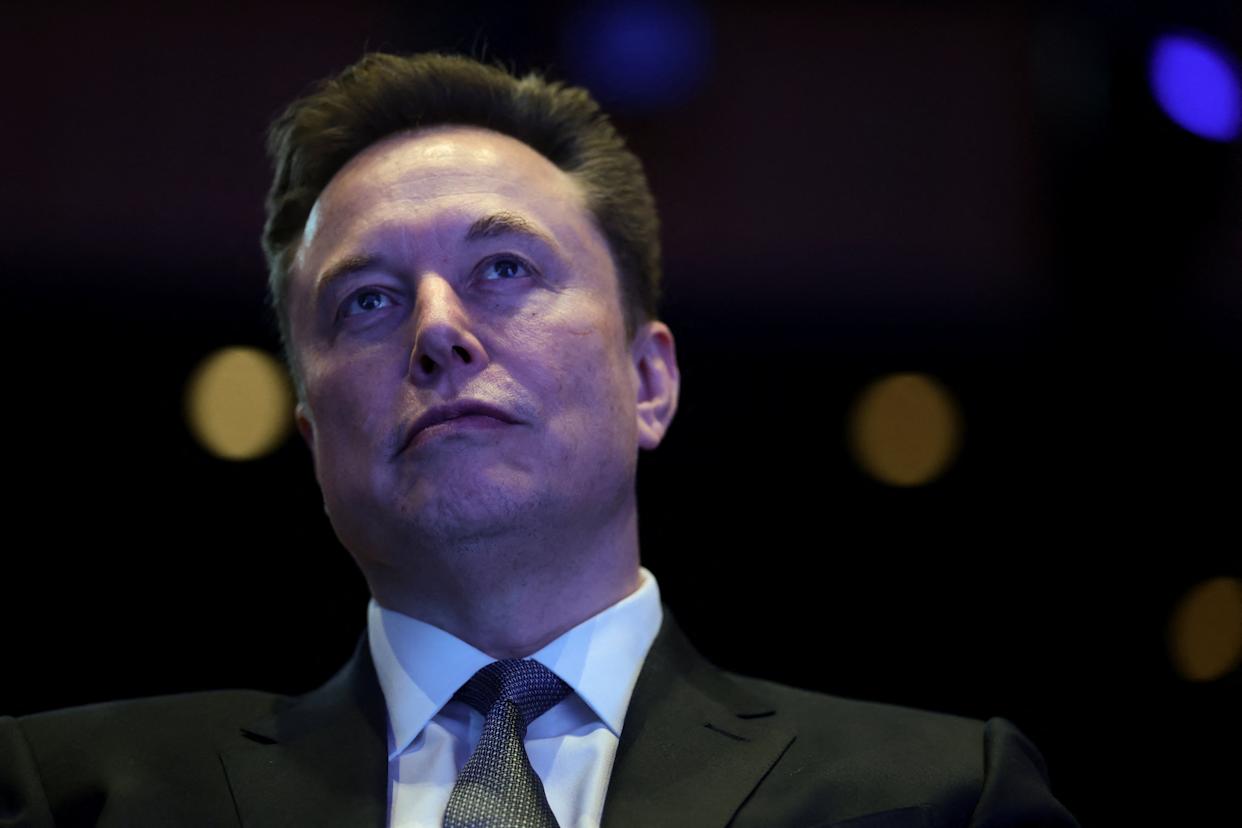
A San Francisco jury has ruled against Elon Musk, finding that he intentionally misled shareholders regarding the prevalence of fake accounts during his 2022 acquisition of Twitter. The decision marks a significant development in one of the most closely watched corporate litigation cases in recent years.
The case focused on Musk’s public statements about the number of spam and bot accounts on the platform. According to the jury, these statements were misleading and had a material effect on shareholder decisions during the high-profile purchase. Plaintiffs argued that Musk’s comments created uncertainty and impacted the stock’s valuation, ultimately affecting their investments.
During the acquisition process, Musk repeatedly raised concerns about the authenticity of Twitter’s user base, claiming the number of fake accounts was much higher than disclosed. He even threatened to walk away from the deal over these concerns, prompting months of legal back-and-forth before the acquisition was finalized.
The verdict has drawn attention from legal and business experts, who say it could set a precedent for corporate accountability, particularly regarding public statements by executives during mergers and acquisitions. “This case underscores the importance of transparency when leaders communicate with investors,” said a corporate law analyst.
Musk’s legal team has indicated that they plan to appeal the verdict. “We strongly disagree with the jury’s findings and will pursue all available legal remedies,” a spokesperson said. Shareholder attorneys, meanwhile, welcomed the decision as a step toward protecting investor rights and promoting corporate honesty.
The ruling also raises questions about how tech executives disclose information about platforms with millions of users. Analysts predict that companies will face heightened scrutiny in future acquisitions, with more emphasis on accurate reporting and disclosure.
As the news spreads, the ruling is expected to influence not only Twitter but also the broader corporate landscape, signaling that executives could face legal consequences for misleading statements that affect shareholder decisions.










+ There are no comments
Add yours