







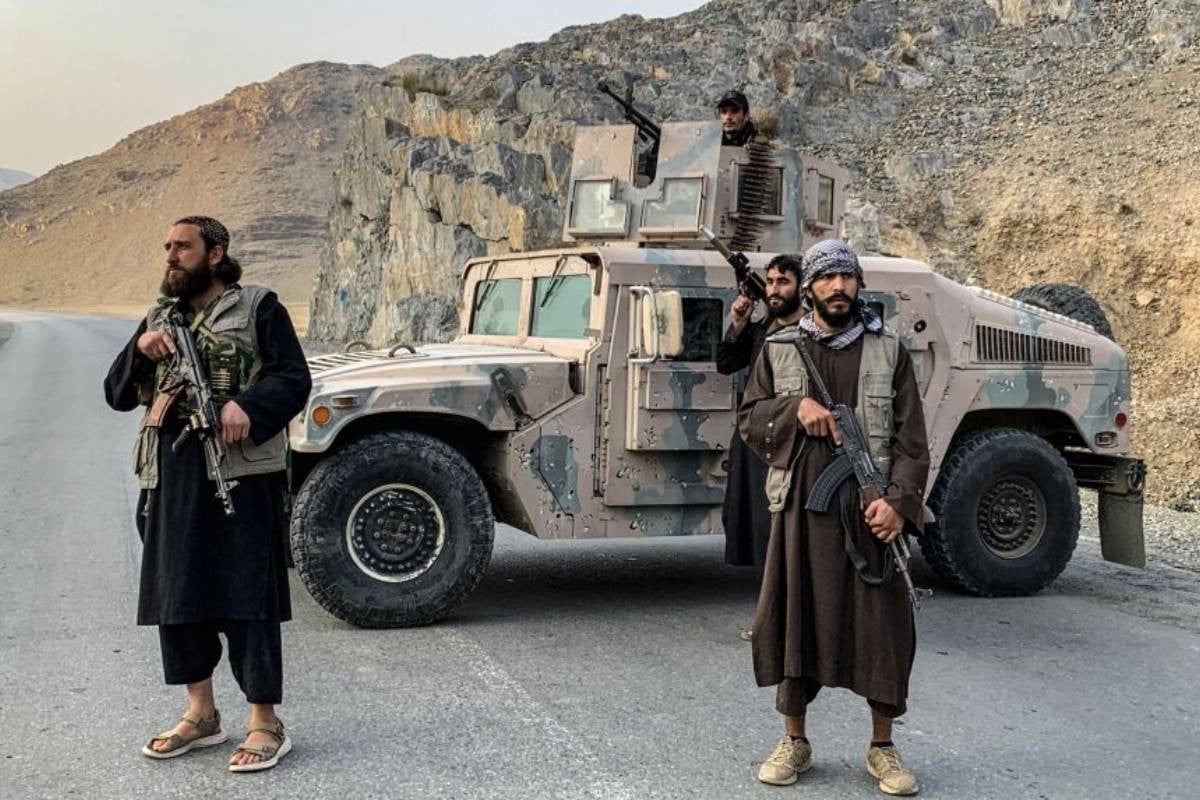
The United States has publicly endorsed Pakistan’s “right to defend itself” following a series of cross-border strikes against Taliban positions in Afghanistan, raising tensions in a volatile region and highlighting the fragile security situation in South Asia. The announcement came amid escalating clashes along the Pakistan-Afghanistan border, which have left multiple casualties and sparked international concern.
U.S. officials emphasized that Pakistan has the right to protect its citizens and sovereignty in response to repeated attacks by Taliban forces. “We support Pakistan’s efforts to safeguard its people and borders,” a spokesperson for the U.S. State Department said. The statement also called for restraint and urged both sides to avoid actions that could further destabilize the region.
The strikes, carried out over the past week, targeted Taliban-controlled areas in eastern Afghanistan, which Islamabad alleges were used to launch attacks on Pakistani security forces and border communities. Pakistani authorities claim the operations were defensive and necessary to prevent further incursions. Taliban representatives condemned the strikes, describing them as violations of Afghan sovereignty and warning of potential retaliatory measures.
The U.S. backing of Pakistan marks a significant diplomatic development, underscoring Washington’s strategic partnership with Islamabad amid rising regional insecurity. Analysts say the statement reflects U.S. concerns over Taliban-linked militant activity spilling across the border, which has threatened both Pakistan’s internal stability and broader counterterrorism objectives in the region.
The escalating situation has drawn the attention of international observers, with neighboring countries and global powers calling for dialogue and restraint. The United Nations has expressed concern over the humanitarian impact of the strikes, warning that civilians in border provinces are increasingly at risk.
President Donald Trump publicly commended Pakistan’s decisive response, reinforcing the message of support from Washington. Meanwhile, Afghan authorities have signaled a willingness to engage in talks but insist that Pakistan respect Afghan sovereignty and halt cross-border incursions.
As the standoff continues, analysts warn that the risk of miscalculation remains high. Both sides face pressure to manage the crisis carefully, with regional stability and the safety of millions of civilians hanging in the balance. The U.S. support for Pakistan adds a new dimension to an already complex geopolitical challenge, highlighting the fragile balance of power and the persistent threat of armed conflict along the Pakistan-Afghanistan border.
This development underscores the escalating volatility in South Asia and the growing international implications of regional security dynamics, with the world closely watching how the situation unfolds.








+ There are no comments
Add yours